
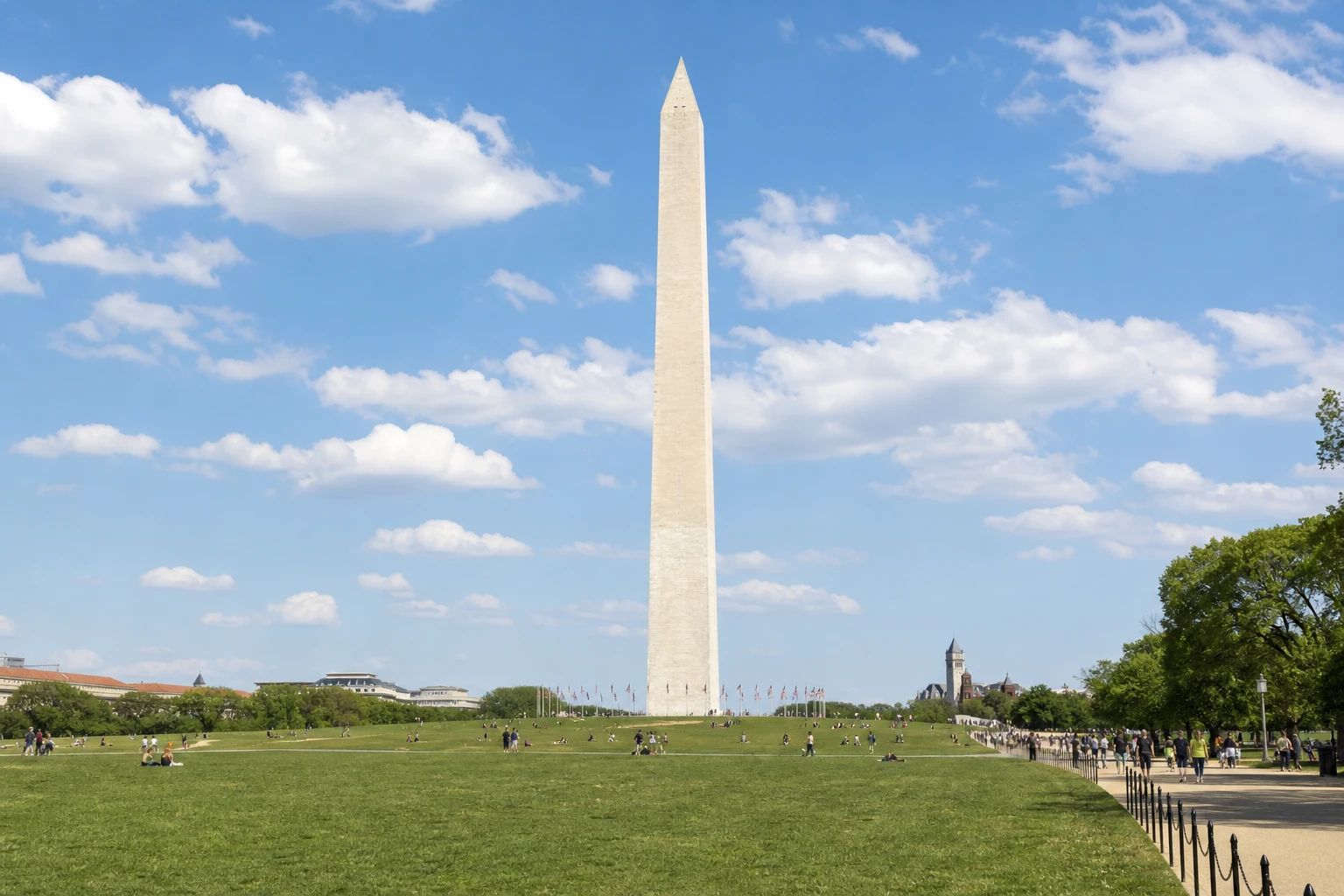
A Washington DC self-guided walking tour works best when it has a clear focus. Rather than attempting every landmark on the National Mall in one push, follow a compact western route that begins at the Washington Monument and ends at the Lincoln Memorial. It pairs the city’s signature memorials with enough flexibility for a ticketed tower visit, a thoughtful pause, or an early-evening return.
The route in five practical points
- Use the 1.5-mile western National Mall monuments route for a focused, lower-distance walk.
- Begin at the Washington Monument, then continue to the World War II Memorial, Constitution Gardens, the Vietnam Veterans Memorial, and the Lincoln Memorial.
- Treat a Washington Monument elevator visit as a separate timed stop because entry requires a ticket and has limited capacity.
- Arrive by Metro at Smithsonian or Federal Triangle, then use transit again after the walk if needed.
- Walk early in the morning or in early evening for a generally less crowded outdoor experience.
This route is designed for travelers who want the essential western memorials without turning the day into a race across the entire Mall. Keep the Washington Monument interior optional, use Metro for the approach and departure, and leave room to absorb the settings rather than measuring the day only in steps.
Choose the western National Mall route, not the whole Mall at once
The National Mall stretches about two miles, and its western monuments alone make a substantial walk. The official compact itinerary for this side covers 1.5 miles, making it a sensible foundation for first-time visitors, families, and anyone who prefers a walk with built-in breathing room. It is deliberately a partial Mall route, not a promise to see every major sight in a few hours.
For a broader plan beyond this west-side circuit, a National Mall Guide for First Timers can help you decide which additional museums, memorials, and viewpoints deserve a separate block of time. Keeping those additions separate makes this self-guided walk far easier to enjoy.
Follow this Washington DC self-guided walking tour step by step
Start at the Washington Monument and walk west through the memorial landscape. The route is simple enough to navigate without a guide, but its value is in pacing. At every stop, give yourself permission to linger, then continue when you are ready. The Lincoln Memorial makes a natural finish, with Metro and the rest of central Washington available for the next part of the day.
| Stop | How to use the stop | Practical route note |
|---|---|---|
| Washington Monument | Start outdoors or add a timed interior visit. | A ticket is required to enter the monument. |
| World War II Memorial | Pause before continuing toward the gardens. | Keep the walk unhurried rather than treating this as a pass-through. |
| Constitution Gardens and Vietnam Veterans Memorial | Slow the pace through the middle of the route. | These stops link the western memorial sequence. |
| Lincoln Memorial | Use it as the route’s finish. | Check day-of access conditions before setting out. |
1. Begin at the Washington Monument
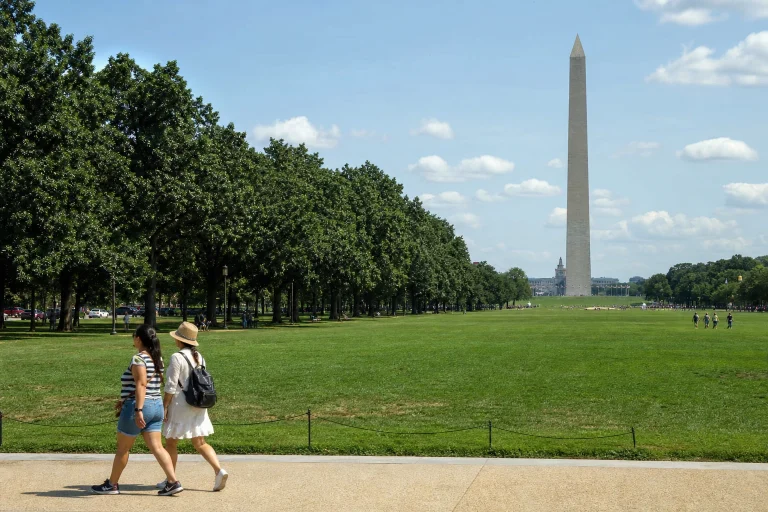
The Washington Monument is the visual anchor for the start of the walk. If you plan to go inside, build the route around that ticket rather than hoping to fit it in casually. Entry requires a ticket, capacity is limited, and security screening can be part of the process. Listed public hours are 9 a.m. to 5 p.m. daily, except July 4 and December 25, with a routine maintenance closure one day each month.
The Washington Monument Tickets and Visitor Guide is a useful companion for travelers making the elevator visit part of their day. If you skip the interior, the monument still gives the route a clear meeting point and an easy sense of direction.
2. Continue to the World War II Memorial
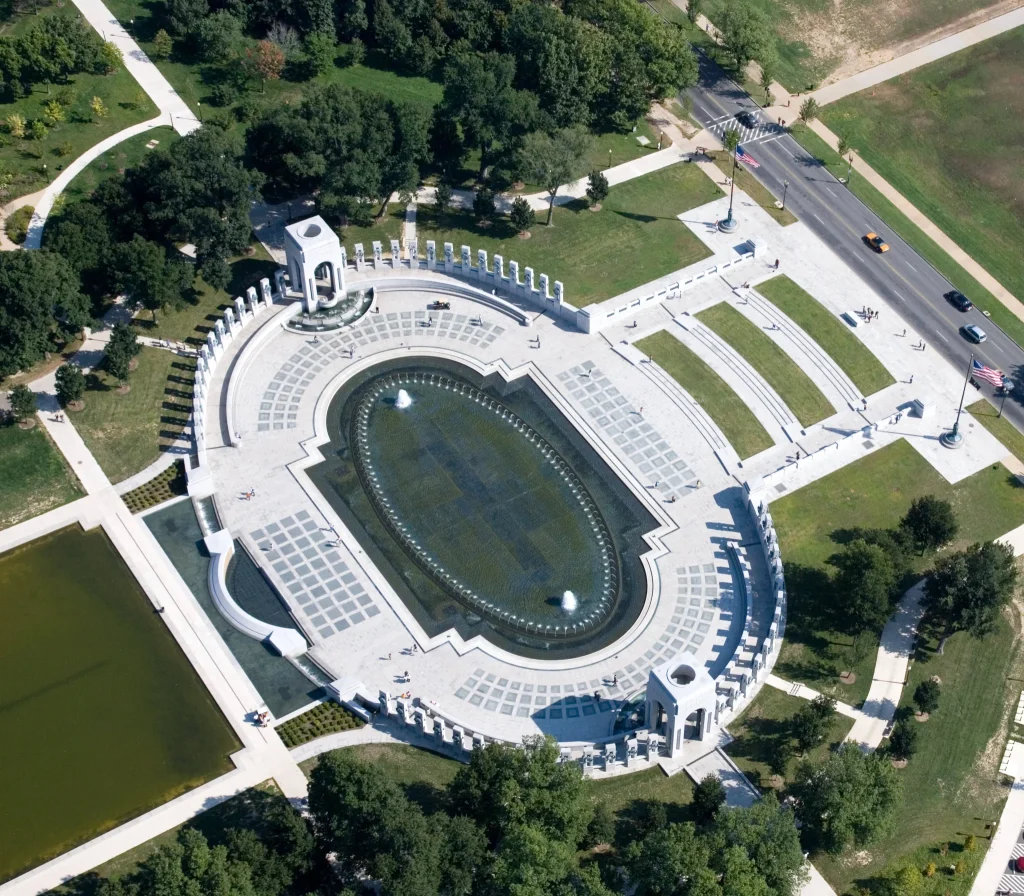
Next, continue to the World War II Memorial. This is a good place to slow down early in the walk, when your attention is fresh and the day still feels open. A World War II Memorial Guide can add historical context if you want to spend more time here, but the self-guided route remains effective with a simple, unhurried pause.
3. Walk through Constitution Gardens to the Vietnam Veterans Memorial
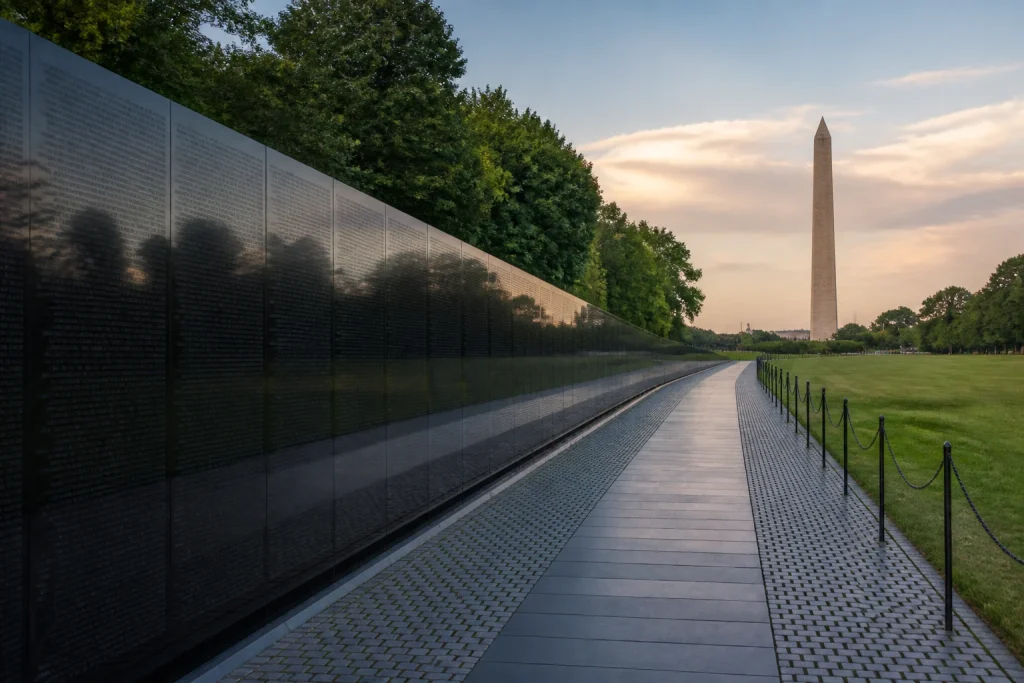
The middle section links Constitution Gardens and the Vietnam Veterans Memorial. Resist the temptation to rush through it simply because the route is compact. This is the stretch that benefits most from a slower, more reflective pace, especially if you are walking with children, older relatives, or a group with different energy levels.
4. Finish at the Lincoln Memorial
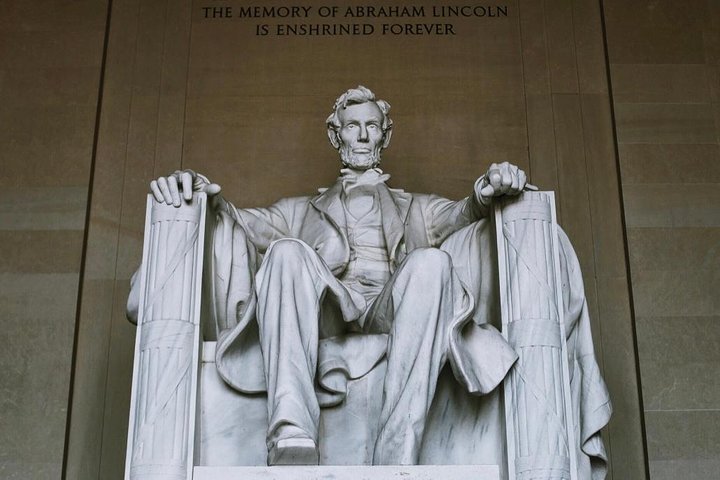
Finish at the Lincoln Memorial, then decide if you want to continue exploring or head to Metro. A Lincoln Memorial Guide for First Timers is helpful if this is your first visit and you want to give the final stop more structure. Before leaving, check day-of National Mall conditions for temporary barriers or changes around nearby paths and the Reflecting Pool.
Time the walk for outdoor access and a calmer pace
Outdoor areas of National Mall and Memorial Parks are generally open 24 hours a day. Early morning and early evening are often the more comfortable windows for travelers who prefer fewer people around the major memorials. These hours apply to the outdoor landscape, not automatically to indoor facilities or ticketed attractions.
Rangers are normally available between 9:30 a.m. and 10 p.m., which can be useful if you want orientation during a daytime or evening walk. Plan the Washington Monument interior separately, as its listed hours are more limited and can change with weather, staffing, funding, or unforeseen conditions.
Use Metro to reach the route and return afterward
Smithsonian and Federal Triangle are practical Metro access points for the National Mall. A full-fare Metro Rail trip costs $2.25 to $6.75, based on distance and time, while Metrobus costs $2.25. You can pay with a contactless card or device, or with a SmarTrip card, so there is no need to build the day around a car.
For this walk alone, compare individual rides with the $13.50 one-day unlimited pass rather than automatically buying a pass. The pass makes more sense when you are adding several cross-city trips. For broader citywide planning, the How to Get Around Washington DC Without a Car guide complements this walking route.
If you are walking in the evening, check the Metro trip planner before setting out. General service hours differ by day, and first and last trains vary by station. That quick check makes it easier to enjoy the route’s final stop without watching the clock at every memorial.
Plan an accessible version of the memorial walk
All major National Mall monuments and memorials are wheelchair accessible, though some historic facilities are not ideally accessible in every detail. Limited loaner wheelchairs are available on a first-come, first-served basis at the Korean War Veterans, Vietnam Veterans, Franklin D. Roosevelt, and World War II memorials. NPS also offers braille and large-print materials at specified sites and free ASL interpretation with at least three weeks’ advance notice.

Metro Rail stations and Metrobus services are accessible. Eligible visitors unable to use fixed-route service because of a disability can receive MetroAccess visitor eligibility for 21 days in a rolling 365-day period. It is shared-ride paratransit, so use it as a mobility accommodation rather than as a quick sightseeing shuttle.
A flexible approach works well here. Walk the portions that feel comfortable, make the Washington Monument a separate decision, and use transit for the approach or departure. The route is successful because it can be shortened without losing its central sequence of memorials.
What to bring for a comfortable Mall walk
- Comfortable shoes that can handle paved paths and a few hours on your feet.
- A refillable water bottle and a small snack, especially if you prefer not to interrupt the route.
- Sun protection or a light weather layer, based on the forecast.
- A charged phone for Metro payment, navigation, tickets, and day-of alerts.
- A small bag that keeps essentials organized for security screening at the Washington Monument.
Keep the load light. The pleasure of a self-guided walk is having the freedom to stop whenever something catches your attention, and a heavy bag quickly makes a modest route feel longer. Check the forecast before leaving and adjust the start time rather than forcing the walk into the least comfortable part of the day.
Build a fuller day without overloading this route
The western memorials walk can be the backbone of a larger Washington day, but it should not become a checklist that swallows everything else. The Mall is about two miles long, while this route focuses on a 1.5-mile western segment. Add a museum, meal, neighborhood visit, or rest break only after deciding how much time you want at the memorials themselves.
Travelers with several days in the city can comfortably give the Mall more than one visit. A morning western walk, followed by an indoor stop or a different neighborhood, creates a better rhythm than attempting to cover every monument and museum in a single outing.
Return in early evening for a different memorial atmosphere
Because the outdoor memorial areas are generally open around the clock, an early-evening return can be a rewarding alternative to extending a long daytime walk. It also gives you another chance to see a favorite stop at a slower pace. Use the same simple western sequence, keep an eye on transit timing, and check the day’s conditions before heading out.
For a dedicated after-dark plan, the Washington DC Monuments by Night Guide can help shape a separate evening outing. Keeping it separate preserves the daytime route as an easygoing walk instead of asking one itinerary to do too much.
Run this quick checklist before you leave
- Decide whether the Washington Monument interior is part of the plan, then secure and review the required ticket details.
- Check National Park Service alerts and access conditions, particularly if temporary barriers could affect paths around the memorials or Reflecting Pool.
- Check Metro trip status and the first or last train at the station you plan to use.
- Choose the 1.5-mile western route as the day’s main goal instead of adding every National Mall sight.
- Pack water, comfortable shoes, a charged phone, and weather-appropriate layers.
Why this is the right first Washington DC walking route
This Washington DC self-guided walking tour suits travelers who want a memorable introduction to the National Mall without committing to an all-day march. Its main strength is focus: five major western stops in a compact 1.5-mile sequence. Its limitation is equally clear: it covers only part of a much larger Mall. Start with the Monument ticket decision, arrive by Metro, and let the memorials set the pace.
Frequently asked questions
How long is this Washington DC self-guided walking tour?
The compact western National Mall route is about 1.5 miles. It covers the Washington Monument, World War II Memorial, Constitution Gardens, Vietnam Veterans Memorial, and Lincoln Memorial, while the full National Mall extends about two miles.
Do I need a ticket for the Washington Monument?
Yes, a ticket is required to enter the Washington Monument. The interior visit has limited capacity and may include security screening, so treat it as a separately timed part of the route.
What is the best time for a National Mall walking tour?
Early morning and early evening are generally quieter times to walk the outdoor memorial areas. The outdoor areas are generally open 24 hours daily, but indoor and ticketed attraction access follows separate schedules.
Which Metro stations are useful for this route?
Smithsonian and Federal Triangle are useful Metro access points for the National Mall. Rail fares range from $2.25 to $6.75 for a full-fare trip, while Metrobus costs $2.25.
Is the National Mall walking route wheelchair accessible?
Yes, all major National Mall monuments and memorials are wheelchair accessible. Some historic facilities have limitations, and limited loaner wheelchairs are available first-come, first-served at several memorials.
Small Group National Mall Tour with Washington Monument
This 2.5 hour semi-private (12 Guest Maximum) guided walking tour begins at the DC Mall and leads you through the most revered memorials, concluding w...
DC Mall w/ Washington Monument Ticket Exclusive Guided Tour
This 2.5-hour walking tour begins at the DC Mall and leads you through the most revered memorials, concluding with a...

DC Monuments Tour with 10+ Sites & Washington Monument Ticket
See Washington DC’s iconic monuments in a single morning on a Guided Morning Sightseeing Bus & Walking Tour with a...

Arlington Cemetery: Kennedy Memorials & Changing of Guard Walking
A complete tour with a small group that allows time to visit the main sites to pay respects, take photos, and watch...
Still comparing Self Guided Walking Tour?
Ask for tour ideas, hotel suggestions, or a simple trip plan that combines both.
Trip Helper
Experiences to explore
 Explore experience ↗
Skip the Line Washington Monument Tickets and Self Guided Book
◷ 1 hr
Enjoy complimentary timed entry to the Washington Monument observation deck and breathtaking 360° views of Washington, DC. Your purchas
From $25.00 USD
View dates Explore experience ↗
Small Group National Mall Tour with Washington Monument
◷ 2 hr 30 min
This 2.5 hour semi-private (12 Guest Maximum) guided walking tour begins at the DC Mall and leads you through the most revered memorial
From $55.00 USD
View dates Explore experience ↗
National Mall Washington DC Self Guided Audio Walking Tour
◷ 8 hr–9 hr
Walk through the heart of Washington DC with a tour that plays right from your phone. Explore famous memorials, monuments, and museums
See dates for Current pricing
View dates

2 Comments
[…] World War II Memorial, Martin Luther King Jr. Memorial, Franklin Delano Roosevelt Memorial and Vietnam Veterans Memorial. These are meaningful places to visit without the risk of forfeiting a timed ticket after a flight […]
[…] route includes stops at the Franklin Delano Roosevelt Memorial, Lincoln Memorial, Vietnam Veterans Memorial, Korean War Veterans Memorial, and U.S. Marine Corps War Memorial. Treat that as an example rather […]