

Step out at Smithsonian station and you’re already near the Mall, with museum domes ahead and the Metro’s doors chiming behind you. In DC, you can cross the city by train, patch the gaps with buses, then walk tree-lined blocks through Dupont, Georgetown, or Capitol Hill. Add a bikeshare for the last mile and you’ll move like a local, not a parking hunter. The trick is knowing which option fits each part of town.
Key Takeaways
- Use Metro for fast, color-coded travel; Red reaches downtown and Capitol, and Yellow connects Reagan National Airport directly to the city.
- Pay with a SmarTrip card or contactless tap-to-pay on Metro and buses for easy boarding and discounted transfers.
- Metrobus and DC Circulator cover neighborhoods rail misses, including Georgetown, with frequent routes and some overnight service.
- Walk the National Mall and nearby areas like Capitol Hill, Dupont Circle, Georgetown, and The Wharf for easy sightseeing.
- Use Capital Bikeshare, scooters, taxis, or rideshares for short hops, airport trips, late nights, rain, or heavy bags.

Washington DC Hop-On Hop-off Trolley Tour with 15 Stops
Enjoy a 90-minute Hop-on Hop-off panoramic trolley tour of Washington, DC. The tour route will maximize your time and provide you with a great introdu...

DC Monuments & Capitol Hill Highlights Tour by Electric Cart
Experience a whole different side of Washington, DC during our Monuments by day tour! Climb into our all-electric Re...
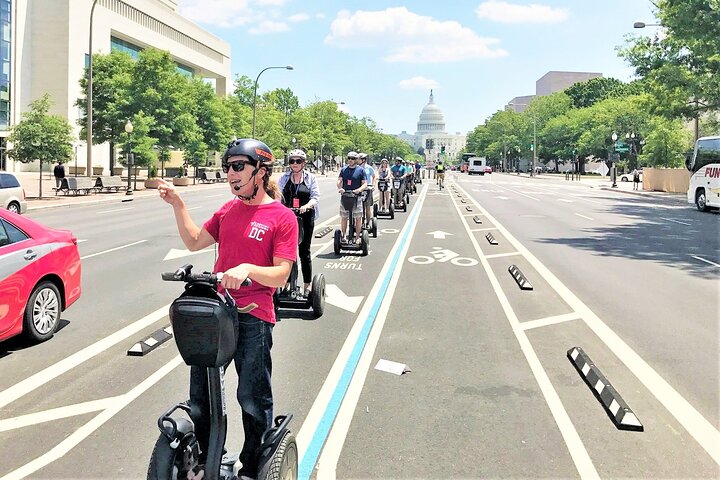
Washington DC "See the City" Guided Sightseeing Segway Tour
Experience Washington DC on a 2-Hour Guided Sightseeing Segway Tour through the nation's capital and experience all...

Washington, DC: Sunset & After-Dark Monuments Tour by E-Cart
Please Note: The 6:00 PM tour may not be fully dark depending on the season. The 8:30 PM tour offers a fully after-d...
Get Around DC Without a Car
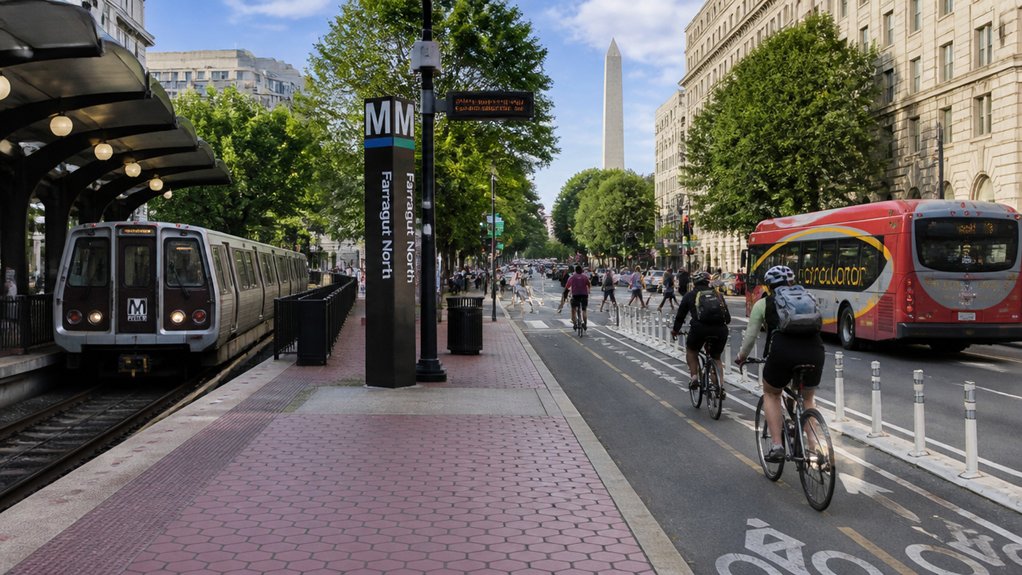
In DC, you can skip the car and still move through the city with ease. You’ve got layers of public transit, plus bikes and scooters, so the city feels open instead of sprawling. Tap a SmarTrip card and mix buses with short Circulator hops when your feet need a break.
For fresh air, grab a Capital Bikeshare bike and roll past museums, gardens, and long stone views near the National Mall. Dedicated lanes make many rides feel calm, not chaotic. If you want a quick hop, scooters wait on busy corners like patient little beetles. You can also connect beyond downtown by commuter rail from Union Station. Even the Metro fits into the mix, but you don’t need to rely on one option. Metro Bus riders also get free transfers within a 2-hour period when switching between buses. DC rewards curiosity and comfortable shoes.
Use the Washington DC Metro First
Because DC’s Metro is fast, clear, and easy to read, it’s the smartest place to start. On the Washington Metro, you can scan a SmarTrip card or tap your phone at the gates and go. Trains run from about 5 a.m. to midnight on weekdays, later on Friday and Saturday, with rush-hour service that feels almost instant. The color-coded lines make the system easy to decode, and the Metro map keeps single-transfer trips simple. The Red Line is especially useful for Dupont Circle, downtown, and the U.S. Capitol area. Heading in from Reagan National Airport? Take the Yellow Line straight into the city, then let automatic fare calculations handle the rest. WMATA’s planner helps you link museums, Union Station, and National Mall stops with confidence. If you want an even simpler way to pay, Tap. Ride. Go. lets you use Metro fare with an easy tap-and-go process.
Fill Transit Gaps With DC Buses
When the Metro leaves a blank spot on the map, DC buses fill it in with surprising ease. You can use Metrobus to reach neighborhoods rail skips, including much of Georgetown, through a huge network across DC, Maryland, and Virginia. For quick short hops, the DC Circulator adds cheap convenience.
When Metro leaves gaps, DC buses glide in—linking Georgetown and beyond with cheap, easy reach across the region.
- Tap SmarTrip or contactless pay for easy boarding and discounted transfers.
- Look for frequent corridors like 30/31/33, S2/S4, and X2.
- Count on bike racks, wheelchair lifts, and stop screens that cut guesswork.
- Check late schedules, because some lines become 24-hour routes or replace trains after midnight.
The official 24/7 Bus Service maps can help you spot routes that keep running when rail service winds down. Buses rumble past rowhouses, embassy blocks, and corner carryouts. They’re practical, affordable, and a little more revealing than the tunnel for curious travelers.
Walk DC’s Easiest Sightseeing Areas
You’ll find DC’s easiest sightseeing on foot at the National Mall, where a flat roughly 2-mile loop carries you from the Capitol to the Lincoln Memorial past wide promenades, big lawns, and the steady shuffle of museum crowds. For first-time visitors, the National Mall is one of the most straightforward places to explore because so many major monuments and museums sit along the same easy route. If you want a neighborhood route, you can wander Capitol Hill and Eastern Market, where the Library of Congress and Supreme Court sit just 10 to 15 minutes apart and the streets feel calm and close-knit. For longer strolls, you can start in Foggy Bottom, Dupont Circle, or Georgetown and follow easy walking links to the White House, embassy row, cafés, canal paths, and the waterfront with no car keys to jingle.

Washington DC Monuments Tour by Electric Cart Day and Night
Experience a whole different side of Washington, DC during our Monuments tour! Climb into our all-electric Red Roads...

DC's Monuments & Landmark Guided Small Group E-Cart Tour
This tour is a great alternative to see DC's Monuments by a E-Cart and knowledgeable guide. This tour offers a detai...

Washington DC: Small-Group Vintage Cart Monuments &Memorials Tour
Step back in time and experience Washington DC with the charm of a 1930s-style vintage cart. This small-group guided...
National Mall Strolls
Set out on the National Mall and DC suddenly feels built for wandering. This flat two mile green spine links the U.S. Capitol, the Washington Monument, and the Lincoln Memorial with wide sidewalks, paved paths, benches, and easy views across the Reflecting Pool. The National Mall is part of National Mall and Memorial Parks, home to more than 100 unique monuments and memorials.
- Start near Smithsonian or Federal Triangle Metro stations.
- Walk about a mile from the Capitol to the Washington Monument.
- Dip into Smithsonian Museums in Washington, clustered just minutes apart.
- Continue another mile to the Lincoln Memorial for sunset light.
You won’t battle hills, just choices. Mornings and late afternoons feel calmer, especially in cherry blossom season and summer. Leave extra time for security lines at memorials and museum entrances. Even your feet will think you’ve planned brilliantly for a car free day.
Neighborhood Walking Routes
Branch out from the Mall and DC keeps the easy walking streak going. Beyond the National Mall, you can roam Capitol Hill and Eastern Market in one compact sweep. The Library of Congress, the U.S. Capitol, and the market sit about 10 to 15 minutes apart, so your feet do the easy work.
For a neighborhood loop, head to Dupont Circle. You’ll pass embassies, bookstores, cafés, and the Red Line station within a tidy half mile. Georgetown gives you a different texture. Follow the C&O Canal towpath, then drift to the waterfront for shop windows, river views, and cobblestones that keep things charming, if not sneaker-silent. It’s also a smart place to pause for Georgetown dining if you want to sample savory stops and hidden gems along the way. If you want more water, try the Wharf to Tidal Basin loop for promenades, memorials, and an easy under-two-mile wander at sunset.
Use DC Bikes and Scooters for Short Trips
Often, the fastest way to hop between DC sights is on two wheels or a scooter deck. You can grab Capital Bikeshare almost anywhere, with 800-plus stations and standard bikes or e‑bikes ready through the app or a kiosk. In Capitol Riverfront, protected trails and waterfront paths make biking especially convenient for exploring DC’s riverfront neighborhood.
Zip between DC landmarks on a bikeshare bike or scooter, with docks and rides waiting practically everywhere.
- Buy a day pass for $10 and take unlimited 45-minute rides.
- Try the National Mall loop for an easy two-mile spin past monuments.
- Use bike lanes or the street, not downtown sidewalks.
- Return bikes to a dock, and park each electric scooter neatly to avoid fines.
Lime, Bird, Spin, and Veo scooters are handy for H Street, The Wharf, or Barracks Row. Expect about a $1 activation fee, around 24 cents per minute, and a breezy 10 mph cap. Minimum rider age is 16 citywide.
Take Taxis and Rideshares When Needed
When Metro hours get tight or your bags feel like bricks, you can count on DC’s taxis and rideshares to keep the night moving. You’ll spot them all over the city, and they’re especially handy for airport runs from DCA, Dulles, or BWI when you want a simple pickup instead of extra transfers. Just check the app before you book, since rush hour, big events, and weekends can send fares climbing fast. For first-time visitors, this can be one of the easiest ways to navigate Washington DC without renting a car.
Best Times To Ride
Usually, the best rides in Washington start with the clock. Time your Metro trips well, and you’ll dodge peak fares, packed platforms, and that shoulder-to-shoulder rush hour squeeze. During busy weekday windows, trains come often, but they fill fast. Outside those hours, you usually get more space and a calmer ride.
- Ride before 6 a.m. or after 9:30 a.m. for easier mornings.
- Skip 3 to 7 p.m. unless you like crowds.
- Use taxis/rideshares for multi-stop errands, heavy bags, or rain.
- For late‑night returns, compare waits first, because trains may stretch to 15 or 20 minutes.
If you’re arriving by air, knowing your airport transfer options from Dulles or Reagan to downtown can also help you avoid expensive last-minute rides.
Short daytime hops near the Mall, Georgetown, or The Wharf often feel easiest by scooter or bikeshare when streets stay light and traffic hasn’t started its usual honking chorus yet.

Washington DC Sightseeing Tour with Vintage Model-T Classic Cars
Experience the enchanting beauty of Washington, D.C.'s monuments and landmarks on a captivating day and night tour a...
Washington DC "See the City" Guided Sightseeing Segway Tour
Experience Washington DC on a 2-Hour Guided Sightseeing Segway Tour through the nation's capital and experience all...
Washington DC Monuments Tour by Electric Cart Day and Night
Experience a whole different side of Washington, DC during our Monuments tour! Climb into our all-electric Red Roads...
Airport And Late-Night Trips
Because airport runs and midnight rides can turn simple plans into little puzzles, it helps to know when transit works well and when a taxi or rideshare will save you time. Reagan National is easiest. You can ride Yellow Line, then walk the covered link to the terminal. Dulles often means the Silver Line plus a bus or shuttle. BWI works with MARC and terminal shuttles. For late‑night gaps, Metrobus helps, but check WMATA times and keep SmarTrip ready. If you’ve got bags or friends in tow, pre‑book a car. Watch for surge pricing. During holiday weekends, keep an eye on the weather outlook from the NWS Forecast Office Baltimore/Washington in case storms affect airport or late-night travel. It beats guessing on sleepy platforms.
| Trip | Best move |
|---|---|
| Reagan National | Yellow Line and walk |
| Dulles | Silver Line, then shuttle |
| BWI | MARC, then shuttle |
| After midnight | Taxi, rideshare, or Metrobus |
Stay in the Best Area for Transit Access
For the easiest car-free stay, pick a hotel near a Metro station on a core line like Red, Blue, Orange, Silver, or Green and Yellow. Most downtown spots sit within a short walk, so you can step outside and get moving fast.
- Choose Foggy Bottom for easy subway access and a pleasant walk to the White House or Georgetown. The neighborhood’s subway access also makes it one of the most convenient bases for exploring central Washington on foot and by Metro.
- Try Capitol Hill if you want quieter streets, rowhouses, and easy walks to the Capitol and Library of Congress.
- Look at Arlington for better prices and quick rail rides to the Mall.
- Stay within two blocks of a DC Circulator or frequent bus stop that takes SmarTrip.
That setup gives you flexible short hops when rail isn’t ideal. Your feet will thank you later, probably.
Get to Airports and Day Trips Car-Free
Beyond the city center, Washington still plays nicely with travelers who don’t have a car. You can reach Reagan National on Metro’s Yellow or Blue Lines, then walk through the covered airport connection and be downtown in about 10 to 15 minutes. For Dulles, ride the Silver Line or use the Silver Line Express shuttle options to Wiehle Reston East or West Falls Church.
BWI works well too. Take a terminal shuttle to the rail station, then board MARC from Union Station on the Penn Line, or hop on Amtrak. For day trips, you can ride MARC to Baltimore or catch VRE from L’Enfant Plaza toward Alexandria and Fredericksburg. If bags or timing get fussy, grab a rideshare for the last stretch when needed. If you’re heading out around the holiday, expect showers and thunderstorms on Memorial Day, which can make airport transfers and rail connections slower.
Frequently Asked Questions
Can I Use a Smartrip Card on Both Metro and Buses?
Yes, you can use your SmarTrip card on Metro and buses thanks to SmarTrip integration; you’ll get Fare transfer benefits, pay from your Card balance, and access Reload options, while Visitor cards can simplify trips.
Is Washington DC Transit Accessible for Wheelchairs and Strollers?
Yes, you’ll find Washington DC transit largely accessible for wheelchairs and strollers, with elevator access, boarding ramps, accessible signage, and priority seating, though you should check outages and watch the platform gap at some stations.
Do Children Ride Metro or Buses for Free in DC?
Yes, like Peter Pan, your under-5s ride free with you: age limits matter, fare enforcement applies, unaccompanied minors don’t ride free, transfer rules don’t change it, and proof requirements are rare; kids 5+ pay fare.
How Safe Is Public Transit Late at Night in Washington DC?
Late night safety is usually solid on DC transit if you watch crowd patterns, use personal awareness, choose strong station lighting, and switch to ride share alternatives when service thins or a stop feels isolated.
Are There Transit Discounts for Seniors, Students, or Military Visitors?
Yes—where there’s smoke, there’s fire: you’ll find senior discounts, student fares, military passes, and visitor concessions on DC transit; bring age verification or eligible ID, first then load any discount onto your SmarTrip card.
Conclusion
Skip the rental car and let DC unfold like a well-marked map in motion. You’ll glide on Metro platforms, catch a bus when the rails run thin, and walk from the Mall’s lawns to Georgetown’s brick sidewalks with ease. Add a bikeshare or scooter for quick bursts by the Wharf. When the hour gets late, call a ride. With a SmarTrip in hand, you’ll spend less time parking and more time noticing the city’s quiet spark.
Washington, DC: Sunset & After-Dark Monuments Tour by E-Cart
Please Note: The 6:00 PM tour may not be fully dark depending on the season. The 8:30 PM tour offers a fully after-dark monuments experience.6 PM =...

Washington DC Monuments & US History Moonlight Guided E-Cart Tour
Explore the nation’s capital after dark on a Moonlight E-Cart Tour through Washington, DC. Ride in comfort as your...

Skip the Line National Archives and Capitol Hill Tour
Visit the National Archives and Capitol Hill without the long lines. This tour grants you skip-the-line access to th...

Historic Georgetown: History, Gossip, & Architecture Walking Tour
Take a guided walking tour of a historic neighborhood older than DC itself. One of our guides (Canden Schwantes) wro...
Still comparing Washington DC Without A Car?
Ask for tour ideas, hotel suggestions, or a simple trip plan that combines both.
Trip Helper
Experiences to explore
 Explore experience ↗
Washington DC Neighborhoods Personalized Self-Guided App Tour
◷ 2 hr–4 hr
World class app-led tour, completely controlled by you! See the best sights in Capitol Hill, at your leisure! Narrated by Certified Mas
From $5.00 USD
View dates Explore experience ↗
Tea Around Town: High Tea Experience and Tour of Washington DC
◷ 1 hr 30 min
Tea Around Town: A Luxurious Tea Experience in Washington, D.C. Hop aboard our charming pink bus for a unique blend of luxury, sightsee
See dates for Current pricing
View dates Explore experience ↗
Beyond the Closet Walking Tour
◷ 2 hr 30 min
Today Washington DC is one of the most LGBTQ-friendly jurisdictions in the country with gay-friendly laws, an inclusive school curricul
See dates for Current pricing
View dates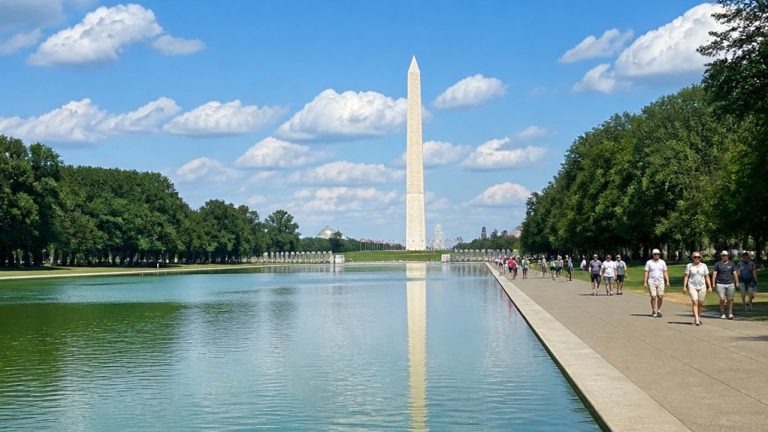

16 Comments
[…] Travelers comparing rail, bus, and walking options can also use the practical advice in How to Get Around Washington DC Without a Car when planning the rest of the […]
[…] planning deserves the same care. The How to Get Around Washington DC Without a Car guide can help shape a daily route, but hotel-specific access still needs […]
[…] is available on site at The Wharf. Parking and water-taxi access add flexibility. A guide to how to get around Washington DC without a car can help travelers connect Southwest with other parts of the city without building […]
[…] around the Washington Monument because nearby parking is limited and often fills. Review how to get around Washington DC without a car before the trip, then check current transit service and fares directly before […]
[…] visitors staying in Washington. For planning transportation beyond the cemetery, a guide to how to get around Washington DC without a car can help connect the visit with the rest of your […]
[…] who plan to rely on public transportation, walking, or a combination can review guidance on how to get around Washington DC without a car. Compare the first available service for your date with the sunrise time. When […]
[…] the tour begins, especially if the finish is later than your normal sightseeing day. The How to Get Around Washington DC Without a Car guide can help you coordinate transit and walking connections around your […]
[…] phone charged, and note any route changes shown by your navigation service. The guide to How to Get Around Washington DC Without a Car can help place the Metro and bus choices within a wider city […]
[…] spending your trip repeatedly backtracking through stations. For fuller route-planning help, How to Get Around Washington DC Without a Car is a useful companion before you set […]
[…] building a car-free day can also use practical advice on how to get around Washington DC without a car, then shape the sequence around live transit conditions. The aim is not to pack […]
[…] to choose the best stop and route for your starting point. The practical advice in How to Get Around Washington DC Without a Car is especially useful for building a car-free […]
[…] fare rules before departure. For route choices beyond this itinerary, our guide on how to get around Washington DC without a car is a useful […]
[…] dependence on finding a space, while drivers should allow additional time. The guide to How to Get Around Washington DC Without a Car can help with the wider transportation […]
[…] or dinner plan. For a wider transport strategy, pair this primer with practical advice on how to get around Washington DC without a car. The same principle applies throughout: make the current trip plan your guide, not […]
[…] the National Mall, Penn Quarter, or the Wharf so you can walk more and ride less in Washington DC. Metro is easy, bikes are handy, and short rideshares won’t wreck your budget. Check calendars for Capital […]
[…] the Museum and Visitor Center with downtown and some hotel-area stops. Travelers using the How to Get Around Washington DC Without a Car guide for their time in the capital should arrange the Gettysburg leg separately […]