
Washington DC in November rewards travelers who enjoy long memorial walks, absorbing museums, and crisp late-autumn scenery. The tradeoff is changeable weather and less room for an improvised schedule. Indoor attractions keep their own hours, Mall food kiosks can run shorter schedules, and a cold rain can make the monumental stone surprisingly slick. A good November plan pairs focused outdoor routes with flexible indoor alternatives.
- Dress in removable layers and carry a compact rain shell or umbrella.
- Group National Mall sights into one area rather than trying to cross the entire park repeatedly.
- Schedule indoor attractions earlier and confirm their individual hours shortly before visiting.
- Reserve a required Washington Monument ticket before building the rest of that day.
- Check Thanksgiving closures carefully if traveling around Thursday, November 26, 2026.
- Keep one museum or neighborhood plan available in case weather disrupts an outdoor itinerary.
November is especially well suited to travelers who place history, architecture, and museums above warm evenings or extended outdoor dining. Potentially lighter outdoor crowds can make reflective spaces feel more spacious, but shorter concession schedules mean meals and warm-up stops deserve advance thought. The season works best when each day has one firm reservation, one walkable cluster, and one weatherproof backup.

Washington DC Monuments Extended Guided Open-Air Cruiser Tour
Explore Washington, D.C. on an extended Washington DC Guided Tour by Open-Air Cruiser, designed for travelers who want to see more of the nation’s c...

Washington DC in One Day: Guided Sightseeing Tour + Boat Cruise
Board your glamourous, climate-controlled panoramic bus at the U.S. Navy Memorial for one of the best bus tours in Washington DC!Expanding on our p...
Is November a good time to visit Washington DC?
November can be an excellent month for a culture-heavy Washington trip. Memorial walks remain central to the experience, and museums provide natural breaks when the air turns cold or rain moves in. Visitors who prefer a full day beside a pool or late hours at outdoor attractions should choose another season. Those who like substantial sightseeing with a coat and comfortable shoes will find plenty to fill several days.
The National Mall's outdoor areas are generally open 24 hours a day, so an early or evening memorial walk remains possible even when indoor facilities have closed. Rangers are normally on duty between 9:30 a.m. and 10 p.m. Indoor spaces follow separate schedules, and operating conditions can change. Plan any building visit earlier than an outdoor memorial stop and verify the attraction-specific notice near your travel date.
A detailed National Mall guide for first-time visitors is useful before deciding how much ground to cover. The Mall looks compact on a map, but its monuments, paths, museums, and cross streets create a much larger day on foot. Divide it into manageable sections instead of treating every landmark as part of one continuous march.
November weather and what to pack
Pack for shifting conditions rather than one fixed temperature. A broad National Park Service fall reference covering September through November gives an average high of 68°F and an average low of 51.5°F. That figure spans the entire season and is not a November forecast. Late-month travel can feel quite different from an early-November afternoon, especially during a long, exposed walk across the Mall.
A light base layer, warm mid-layer, and wind-resistant outer shell create the most useful combination. Add a compact rain layer, gloves for colder mornings, and shoes with reliable traction. Memorial stone can become slippery when wet, so smooth-soled fashion shoes are a poor match for a rainy sightseeing day. A spare pair of dry socks takes little luggage space and can rescue the afternoon.
- Comfortable, water-resistant walking shoes with good grip
- A warm layer that fits easily inside a day bag
- A wind-resistant jacket or compact rain shell
- Gloves and a hat for colder mornings or evening walks
- A refillable water bottle and portable phone charger
- A small day bag with room for layers removed indoors
Do not let a pleasant morning tempt you to leave the outer layer at the hotel. Washington sightseeing often alternates between heated interiors and exposed plazas. Carrying a coat is less annoying than abandoning a memorial route because the temperature drops. On wet days, shorten the outdoor segments and place an indoor stop between them.
Best things to do in Washington DC in November
Walk a focused section of the National Mall
A focused memorial route is the strongest fair-weather plan. Rather than racing between distant points, choose one cluster and leave time to look closely. One day could emphasize the Lincoln Memorial and World War II Memorial area. Another could center on the Washington Monument before continuing toward a museum or the Tidal Basin. This approach reduces backtracking and makes it easier to retreat indoors if the weather changes.

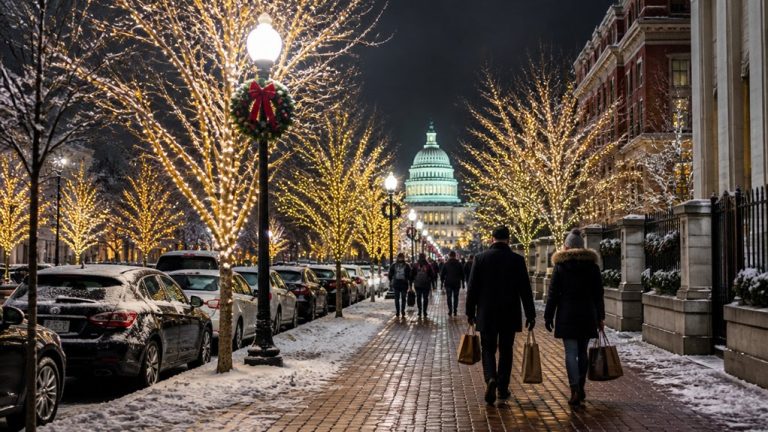
Early and evening walks offer flexibility because the outdoor park areas are generally accessible around the clock. Save indoor facilities for their published hours. After dark, illumination changes the scale and texture of the memorials, but colder air and wet stone require more care. A Washington DC monuments-by-night guide can help shape a shorter route instead of an open-ended nighttime walk.

Skip-the-Line Washington Monument Tickets + Self Guided Book
Enjoy complimentary timed entry to the Washington Monument observation deck & breathtaking 360° views of Washington...

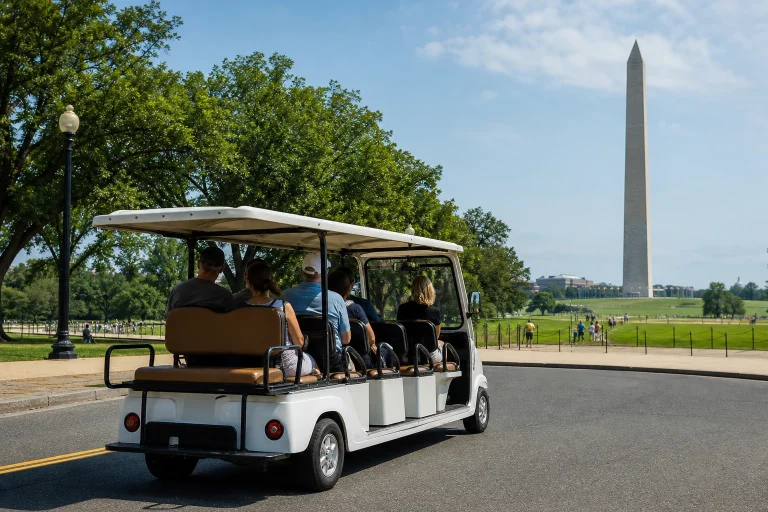
Washington DC's Monuments & US History Guided E-Cart Tour
This tour offers a detailed introduction to U.S. history and Washington D.C.’s famous monuments, guided by expert...

DC in a Day: 10+ Monuments, Boat Cruise, National Mall, Tickets
Explore Washington DC’s top landmarks and monuments on a 6-hour tour by deluxe touring coach with full narration f...
Plan carefully for the Washington Monument
The Washington Monument requires a ticket, and visitor capacity is limited. For November 2026, the National Park Service lists daily operating hours of 9 a.m. to 5 p.m. It also lists a routine-maintenance closure on Wednesday, November 4, 2026. Do not make the monument the fixed centerpiece of that date, and recheck operating information before departure because weather, mechanical issues, or emergencies can cause closures.
Use a Washington Monument ticket and visitor guide before choosing the surrounding route. Once the ticket time is set, build the day outward from it. Keep the preceding hour lightly scheduled, allow for security and orientation, and choose nearby outdoor sights that will not be ruined by a modest timing change.
Use museums as anchors, not just rain backups
Museums deserve dedicated time rather than being squeezed between every monument. Choose one collection that matches your strongest interest and let it anchor the middle of the day. The Smithsonian National Museum of American History and the Smithsonian National Air and Space Museum are two subjects worth comparing when shaping a museum day. Check the selected institution's current admission procedures and hours before visiting.
A museum-first plan is particularly useful when rain is forecast. Begin indoors, assess conditions around midday, and take a shorter memorial walk afterward if the pavement is comfortable. If the weather improves unexpectedly, resist the urge to cross the entire Mall. A compact route will still leave energy for dinner and an evening view.
Explore beyond the central monuments
A multi-day visit benefits from at least one neighborhood or park break. Georgetown can add a change of scale, while Rock Creek Park offers an outdoor alternative to formal memorial spaces. These options are best treated as separate half-day ideas rather than quick add-ons to an already crowded Mall schedule. Keep the park option flexible because November weather will determine how comfortable a longer outdoor outing feels.
Getting around without exhausting yourself
Metro is a practical way to approach the National Mall, but it does not remove the walking. The National Park Service notes that Farragut West, Foggy Bottom-GWU, and Arlington Cemetery stations are each at least a mile from the Lincoln Memorial. Station names can therefore create a false sense of proximity. Allow time for the final walk, or combine rail with buses and short rides when energy or mobility is limited.
- Choose one main sightseeing zone for the morning.
- Identify the most practical arrival and departure stations separately.
- Add realistic time for the walk between the station and first landmark.
- Schedule a seated indoor break before beginning a second outdoor route.
- Use a bus or short ride when crossing the Mall would repeat ground already covered.
A guide to getting around Washington DC without a car can help compare rail, buses, walking, and short rides before arrival. The most efficient plan is rarely rail alone. A mixed approach keeps the monumental core manageable, especially for families, older travelers, or anyone carrying winter layers throughout the day.
Check current Metro fares before traveling rather than relying on an older figure. Fare information available for the preceding budget period does not cover November 2026. The same caution applies to hotel rates and airport transportation, which vary by travel date and booking conditions. Build the budget around categories instead of assuming a fixed citywide price.
Still comparing Washington DC In November Seasonal Trip Guide?
Ask for tour ideas, hotel suggestions, or a simple trip plan that combines both.
Trip Helper
How to keep a November trip affordable
The outdoor National Mall and memorials support a strong low-cost sightseeing plan. Spend selectively on the parts of the trip that change comfort or save meaningful time, such as a well-positioned hotel, a guided walking tour, or a short ride after a long day. A Washington DC on a budget travel guide can help expand the free and low-cost portion without turning every day into a race between attractions.
- Build one day around outdoor memorials rather than multiple paid activities.
- Compare lodging by total trip convenience, not room price alone.
- Check current transit fares close to the travel date.
- Carry water and a small snack when appropriate, especially on long Mall walks.
- Plan meals beyond the Mall when concession schedules are limited.
- Reserve only the tours that add interpretation or solve a transportation problem.
Do not assume that every Mall kiosk will fit a late lunch or early dinner plan. Concession operating requirements allow some food-service kiosks to move to shorter minimum schedules during November and December. Decide where the main meal will happen before starting a long afternoon route, then treat an open kiosk as a convenience rather than a guarantee.
Thanksgiving and key November 2026 planning dates
| Date or period | Planning detail | Recommended response |
|---|---|---|
| Wednesday, November 4, 2026 | Washington Monument routine-maintenance closure | Choose a different day for monument entry. |
| Thursday, November 26, 2026 | Thanksgiving Day; White House Visitor Center is listed as closed | Move the visitor center to another date and check every indoor attraction separately. |
| Throughout November | Indoor schedules and operating conditions can change | Verify attraction-specific notices shortly before visiting. |
| November and December | Some Mall food kiosks have shorter minimum schedules | Plan the main meal away from the Mall or earlier in the day. |
Thanksgiving Day falls on Thursday, November 26, 2026. The White House Visitor Center is listed as closed that day, so move it to another part of the trip. A White House visitor guide can help organize that stop when it is open. Do not assume the visitor center's holiday schedule applies to every memorial, museum, or government-related attraction. Check each indoor destination on its own.

Outdoor areas of National Mall and Memorial Parks are generally open 24 hours, which leaves room for a Thanksgiving memorial walk. Indoor facilities follow their own schedules. Keep the holiday plan simple: one outdoor route, a confirmed meal arrangement, and no chain of tightly timed indoor stops.
A flexible three-day November itinerary
This framework limits cross-city backtracking and gives each day an indoor alternative. It is intentionally adjustable because November conditions, attraction hours, and ticket availability can change. Travelers who want a more detailed sequence can use a three-day Washington DC itinerary to refine the order around reservations and personal interests.
Day 1: Washington Monument and central Mall
Begin with a confirmed Washington Monument ticket if entry is part of the plan. Build a compact outdoor route around the monument before moving into one museum for the middle of the day. Return outside for a second short walk only if weather and energy allow. This creates a satisfying first day without committing to the entire Mall in one sweep.
Day 2: Lincoln Memorial area and a museum
Approach the Lincoln Memorial area with realistic expectations about the final walk from Metro. Explore a focused western Mall route, then use a museum or another indoor attraction as the day's warm-up stop. If the evening remains dry, return for a concise monument-lighting route. If rain persists, keep the evening indoors rather than rushing over wet stone.

Washington DC Monuments Open-Air Sightseeing Guided Tour
Experience D.C. as day turns to night on this intimate sunset, day and moonlight tour, limited to just 12 guests max...

Washington DC: Easy Sightseeing Guided Monuments Tour by E-Cart
Explore Washington, DC’s iconic monuments and memorials on a relaxed, open-air electric cart tour. Enjoy a small-g...

Washington DC Night Tour: ICONIC Landmarks, Monuments SMALL GROUP
Experience Washington DC at its most striking; after dark! This guided night tour showcases the city’s most iconic...
Day 3: Tidal Basin or a neighborhood change
Use the third morning for the Tidal Basin and Jefferson Memorial when the weather suits another outdoor walk. A Tidal Basin Washington DC guide or Jefferson Memorial guide for first-timers can help turn that area into a coherent route. If conditions are poor, choose a second museum and save the basin for a brief clearing later in the day.
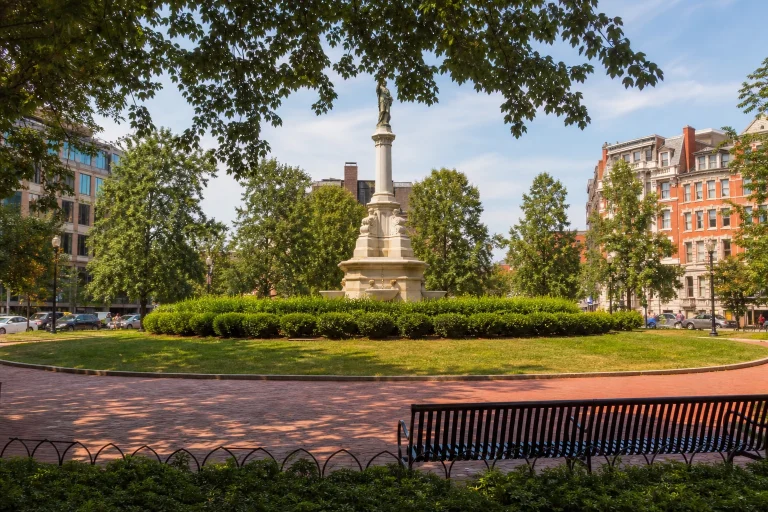
Spend the final afternoon in one neighborhood rather than adding another long monument circuit. Georgetown, Dupont Circle, or a carefully chosen indoor attraction can provide a different rhythm after two Mall-centered days. Keep the final evening lightly scheduled so a weather-delayed highlight can move into that space.
Where to stay and how to plan meals
Choose lodging according to the sights that matter most, then compare access to Metro and the amount of walking required at the end of the day. Hotels near the National Mall can reduce some sightseeing transfers, while a property near a convenient station can make a broader itinerary easier. Current room rates vary, so compare the total stay for the exact dates instead of relying on a general seasonal price claim.
November meal planning should be deliberate but not rigid. Select a lunch area before entering a museum or starting a long memorial route. During an outdoor day, eat earlier or step away from the Mall rather than depending on a late-opening kiosk. A warm indoor meal can also serve as the day's longest rest break.
For a special-interest outing, a guided Washington DC food tour or walking tour can combine interpretation with a defined route. Compare the meeting point, duration, cancellation terms, and amount of outdoor time before booking. November weather makes a clear meeting plan and suitable clothing more important than packing extra activities into the same day.
Accessibility, safety, and weather backups
WMATA describes its railcars, buses, platforms, and stations as fully accessible. Step-free paths connect streets with rail platforms, and buses use ramps or lifts. The National Mall is less uniform because many facilities are historic. Check elevator status and the specific access details for each attraction on the day of travel, especially when a route depends on one station or entrance.

An accessible itinerary should cover less territory each day and identify places to sit or warm up. A short ride can bridge a difficult gap even when Metro handles the main journey. Avoid assuming that a level-looking map means a simple route through every historic site. Confirm the exact entrance and elevator path for the attraction that matters most.
Stay aware of traffic and cross only at designated crosswalks. Keep a charged phone available, particularly during evening memorial walks. In an emergency, use 911 or contact U.S. Park Police. Wet surfaces require slower movement, and darkness can make curbs or changes in pavement harder to judge.
Weather, high winds, mechanical failures, and emergencies can close buildings or public spaces, including the Washington Monument. The best backup is not another reservation across town. Choose one museum or neighborhood that can absorb several hours, then leave enough flexibility to return to the missed outdoor stop later.
Who will enjoy a November visit most?
November suits museum lovers, history-focused travelers, photographers comfortable with variable light, and repeat visitors who do not need to see every landmark. It also works well for travelers who prefer potentially less crowded outdoor sightseeing and are willing to dress for the season. The month is less appealing to anyone seeking guaranteed mild weather or a schedule built around outdoor food service.
Families and first-time visitors should resist overloading each day. One major reservation, one museum, and one compact outdoor route create a better pace than an enormous checklist. Guided monument or walking tours can add structure, but compare the outdoor duration with the forecast and the group's comfort level before committing.
Make November flexibility part of the plan
Washington DC in November is worthwhile for travelers who want museums, memorials, and substantial days of history without relying on warm-weather activities. Its main limitation is variability: weather, indoor hours, holiday closures, and food-service schedules all shape the day. Reserve the Washington Monument if it matters, pack useful layers, group sights geographically, and keep one strong indoor alternative ready. That simple structure leaves room for the capital's grand spaces to feel impressive rather than exhausting.
Frequently asked questions
Is November a good month to visit Washington DC?
Yes, November is a good month for travelers interested in memorial walks, museums, and potentially less crowded outdoor sightseeing. The tradeoffs are changeable weather, shorter food-kiosk schedules, and the need to check individual indoor attraction hours.
What is the weather like in Washington DC in November?
Expect variable fall conditions and pack layers rather than relying on one temperature estimate. A broad September-to-November park reference averages highs of 68°F and lows of 51.5°F, but it is not a November-specific forecast. Bring rain protection and shoes with good grip because memorial stone can become slippery.
Is the National Mall open on Thanksgiving Day?
The outdoor areas of National Mall and Memorial Parks are generally open 24 hours a day, but indoor facilities follow their own schedules. On Thanksgiving Day, Thursday, November 26, 2026, the White House Visitor Center is listed as closed.
Is the Washington Monument open in November 2026?
The Washington Monument is listed as open daily from 9 a.m. to 5 p.m. in November 2026, except for a routine-maintenance closure on Wednesday, November 4. Entry requires a ticket, capacity is limited, and operating conditions can still cause closures.
Can you visit Washington DC without a car in November?
Yes, Metro, buses, walking, and short rides can support a car-free visit. Metro is useful for approaching the Mall, but several stations are at least a mile from the Lincoln Memorial, so build the final walk into the plan.
What should I pack for Washington DC in November?
Pack removable warm layers, a wind-resistant or rainproof outer layer, gloves, and water-resistant walking shoes with good traction. A portable phone charger and a day bag with room for shed layers are also useful during long sightseeing days.
How many days should I spend in Washington DC in November?
Three days provide a practical starting point for a first visit, with time for focused Mall routes, museums, and one neighborhood or Tidal Basin outing. Add another day if you want a slower pace or more protection against weather disruptions.
Is Washington DC accessible for travelers with mobility needs?
Public transportation offers strong accessibility support, with accessible railcars, buses, platforms, stations, step-free station paths, and bus ramps or lifts. Historic facilities on the National Mall are less uniform, so check elevator status and attraction-specific access details on the day of travel.
Washington DC Monuments Extended Guided Open-Air Cruiser Tour
Explore Washington, D.C. on an extended Washington DC Guided Tour by Open-Air Cruiser, designed for travelers who want to see more of the nation’s c...
Experiences to explore
 Explore experience ↗
National Mall Small-Group Tour + Washington Monument Ticket
◷ 2 hr
Celebrate 250 years of American History on our award winning small-group walking tour includes tickets to the top of the Washington Mon
See dates for Current pricing
View dates Explore experience ↗
Small Group National Mall Tour with Washington Monument
◷ 2 hr 30 min
This 2.5 hour semi-private (12 Guest Maximum) guided walking tour begins at the DC Mall and leads you through the most revered memorial
See dates for Current pricing
View dates Explore experience ↗
Washington Monument Entry and National Mall Walking Tour
◷ 3 hr
Visit the Washington Monument on a self guided tour with entry ticket (approximately 1 hour). Discover the iconic National Mall with an
See dates for Current pricing
View dates