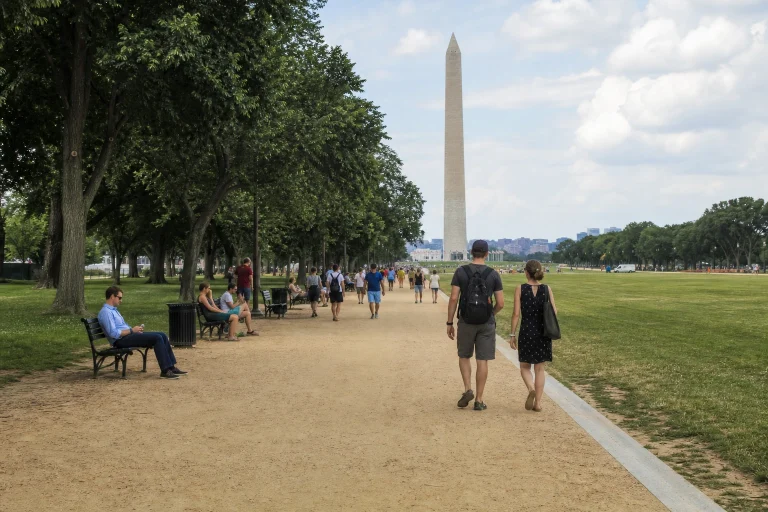
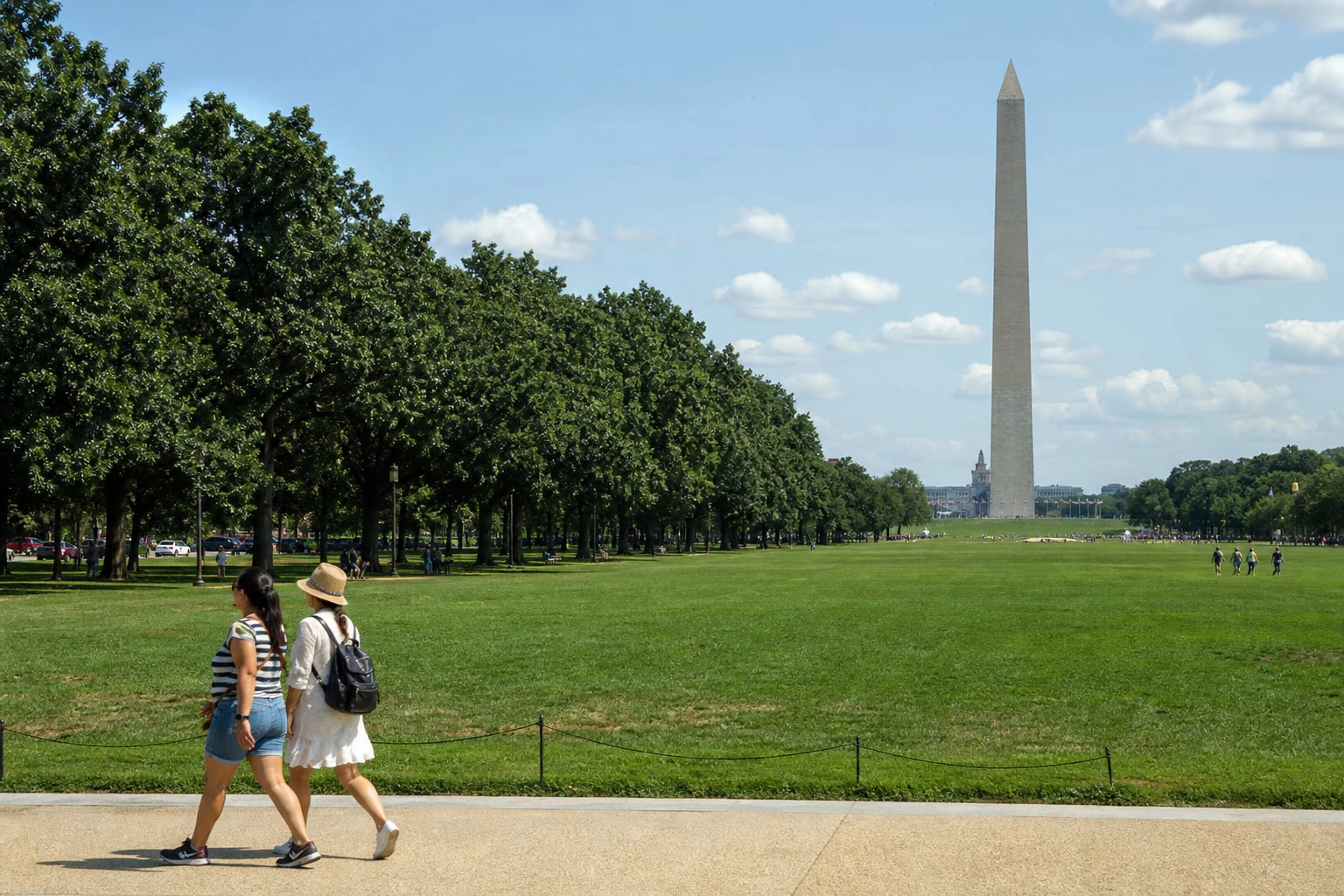
Washington DC in July works best with a flexible, two-part rhythm: give outdoor landmarks their own time, then use museums as a reliable indoor reset. The month’s defining planning question is July 4. It can deliver a memorable public celebration on the National Mall, but it also brings the potential for screening, crowd controls, transport delays and a long stretch outdoors. Build the rest of the trip so one high-intensity day does not dictate every plan.
Washington DC in July at a glance
July favors travelers who are happy to make small timing adjustments. A strong plan combines the National Mall and its museums, leaves room for changing weather, and treats Independence Day as a separate event day rather than an ordinary sightseeing day. Exact event calendars, attraction hours, timed-entry rules and transit operations should be checked for the dates of your visit.

Washington DC in One Day: Guided Sightseeing Tour + Boat Cruise
Board your glamourous, climate-controlled panoramic bus at the U.S. Navy Memorial for one of the best bus tours in Washington DC!Expanding on our p...
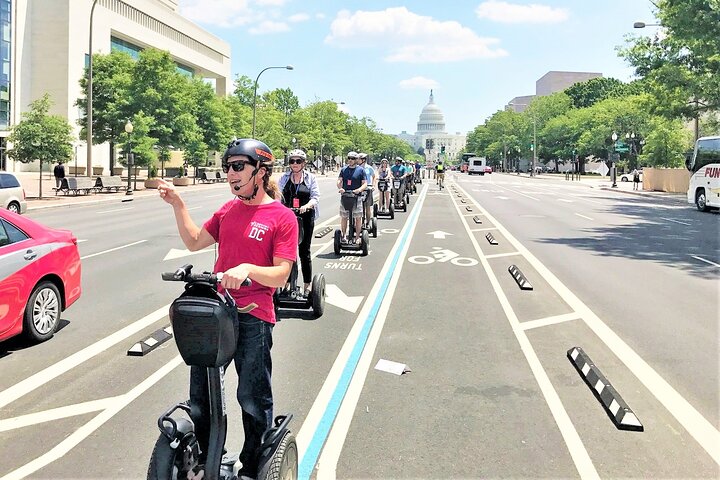
Washington DC "See the City" Guided Sightseeing Segway Tour
Experience Washington DC on a 2-Hour Guided Sightseeing Segway Tour through the nation's capital and experience all...

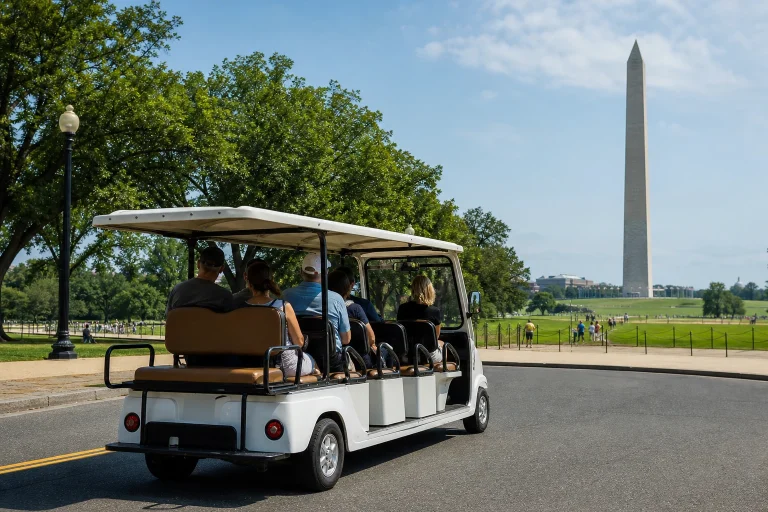
Washington DC Monuments by Moonlight Tour by Trolley
You haven't seen Washington DC until you've seen it at night! On this evening 100% live narrated tour, you'll enjoy...

DC Monuments by Night: 10+ Landmarks | Open-Top Upgrade Available
See a different side of Washington DC after dark on a guided night tour of the city's floodlit monuments. This tour...
- Keep outdoor sightseeing flexible so you can respond to heat, rain or changing conditions.
- Choose at least one Smithsonian museum or the National Gallery of Art as an indoor anchor, then confirm current hours and entry requirements.
- If you are in town on July 4, decide early between public Mall viewing, a reserved experience, or a non-event-focused day.
- Avoid relying on a car for core National Mall access on July 4, when security measures and street restrictions can reshape the area.
- Budget separately for optional reserved viewing, such as rooftops or cruises, rather than assuming that every holiday experience is free.
Is July a good time to visit Washington DC?
Yes, especially for visitors who prefer a lively city calendar and can plan thoughtfully around outdoor conditions. July’s main limitation is that heat can materially affect plans, and a weather-related heat advisory canceled the 2026 Independence Day parade. That makes a museum-centered backup plan more useful than a packed, all-day outdoor route. On the other hand, the city’s major museums and memorial landscape give you several ways to reshape a day without abandoning it.
The most successful July itineraries do not try to conquer the Mall in one continuous push. Divide landmark time, museum time and meal breaks into distinct blocks. If you have several days, make July 4 the only day devoted to a major public event, then use the surrounding days for the sights you care about most. A 4 days in Washington DC itinerary is particularly helpful for spreading those priorities across the visit.
Plan July 4 as a dedicated event day
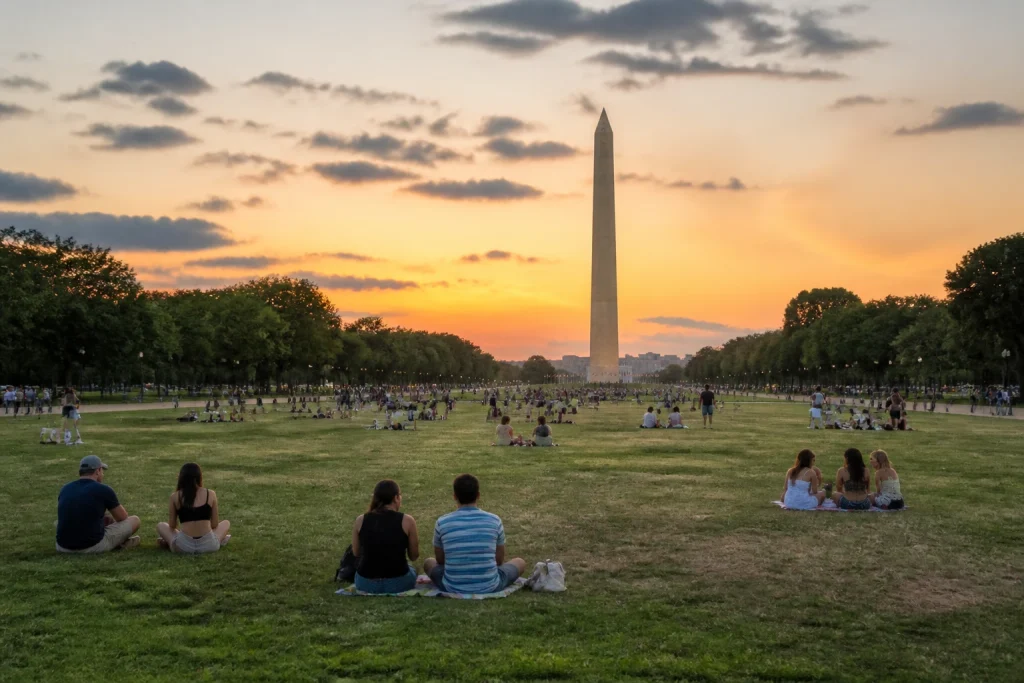
Independence Day is the month’s biggest logistical flashpoint. The 2026 celebration involved large crowds, security screening, controlled access points and the possibility that National Mall entry could be suspended when areas reached capacity. The city’s America 250 programming that year was exceptional, so do not treat its timing, closure pattern or special programming as a template for another July. Use the current year’s event guidance to make your plan.
Choose your viewing style before you choose the rest of the day
The central trade-off is straightforward. Public National Mall viewing offers the iconic setting and, when the main celebration is offered without tickets, a low-cost way to participate. It also means prolonged outdoor exposure, security screening, dense crowds and less control over your departure. Reserved rooftops and cruises can add amenities or a defined viewing setting, but they involve added cost and still depend on event-specific access rules and availability.
| Approach | Best for | Trade-off to plan for |
|---|---|---|
| Public Mall viewing | Travelers who want the central Independence Day atmosphere and are comfortable with a large-scale public event. | Expect screening, crowd controls, outdoor waiting and a slower exit. |
| Reserved rooftop viewing | Visitors who prefer a booked setting when participating venues offer one. | Ticket costs, availability and event-specific access arrangements vary. |
| Potomac River cruise | Travelers interested in a reserved holiday format when an operator schedules it. | It adds cost and requires close attention to the operator’s event-day instructions. |
| A non-event-focused day | Visitors who value a calmer, more flexible itinerary. | You may miss the central public celebration, but keep the rest of your trip easier to manage. |
Do not plan a July 4 schedule around precise, door-to-door timing in the core Mall area. In 2026, road and pedestrian restrictions began before the holiday in some locations, with closures and security operations varying by footprint. For a future visit, allow generous travel time, follow the live event map and transit notices, and keep your post-event plans loose. A National Mall guide for first timers can help you identify the landmarks you want to prioritize on a less constrained day.

Washington DC Monuments Extended Guided Open-Air Cruiser Tour
Explore Washington, D.C. on an extended Washington DC Guided Tour by Open-Air Cruiser, designed for travelers who wa...

Grand Tour of Washington, D.C.
The Half-Day Grand Sightseeing Tour of Washington DC is your premier sightseeing tour to see all the monuments, muse...
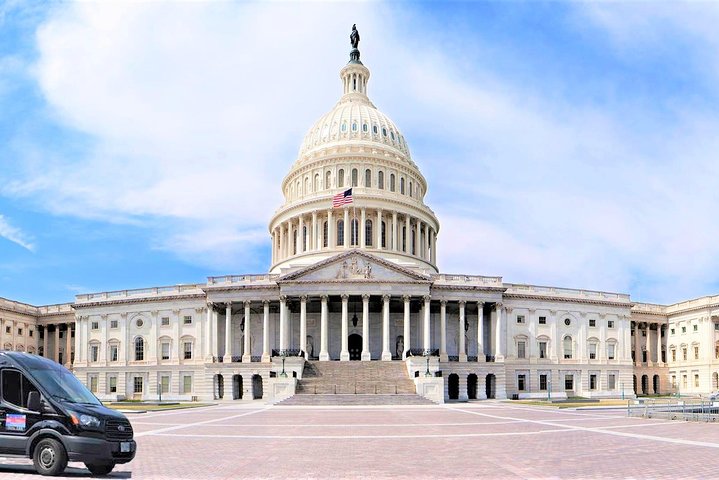
Washington DC Small-Group Sightseeing Experience
Visit 10-iconic Washington DC landmarks in four hours! Explore Washington DC with a professional tour guide on this...
Build a heat-aware sightseeing rhythm
Give each day an indoor anchor. Smithsonian museums around the National Mall and the National Gallery of Art are useful places to shift the balance of a July itinerary, especially when outdoor conditions become uncomfortable. Do not rely on old holiday hours: museum schedules and timed-entry practices can change, so review the current information for each institution before setting your route.
A practical shape for a July day
Start with one clearly defined outdoor goal, rather than an open-ended march across the city. Follow it with a museum, a meal or time back at your accommodation. Then decide whether conditions support another outdoor block later on. This approach protects the moments that matter, such as seeing the memorial landscape in person, while avoiding the frustration of forcing a rigid schedule through difficult weather.
- Carry water and sun protection for any extended outdoor portion of the day.
- Wear comfortable footwear for walks between Mall-area sights and museums.
- Keep a lightweight rain layer or umbrella in your day bag when the forecast calls for unsettled weather.
- Use a portable battery so changing transit plans and digital entry details remain easy to access.
- Reserve one museum or indoor activity as a flexible backup, not merely an afterthought.
Use museums and the National Mall as complementary experiences
July is easier when the National Mall is not treated as an all-or-nothing day. Pair a focused memorial or monument walk with a museum visit, then return to the outdoor landscape only if the day still feels comfortable. The Smithsonian museums around the Mall and the National Gallery of Art can make this pattern work well, but their individual schedules should guide the final order of your day.
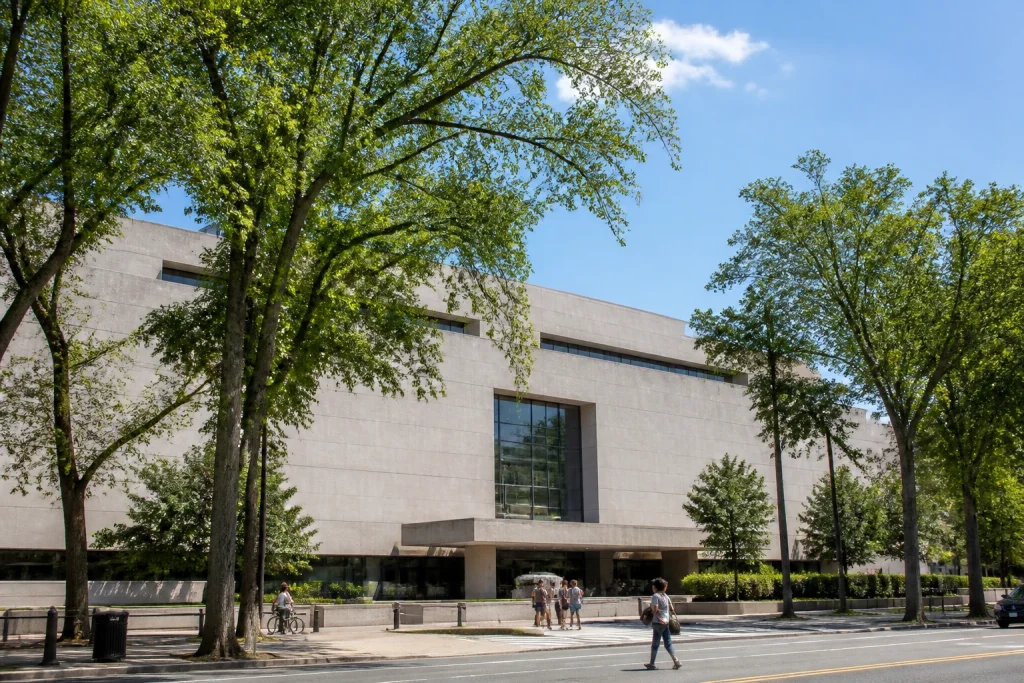
For a history-focused indoor block, a Smithsonian National Museum of American History guide can help you plan a more purposeful visit rather than simply stepping inside to escape the weather. The same principle applies across the museum district: select one or two institutions that genuinely interest you, allow time to enjoy them, and avoid trying to cover every collection in a single afternoon.
Getting around Washington DC in July
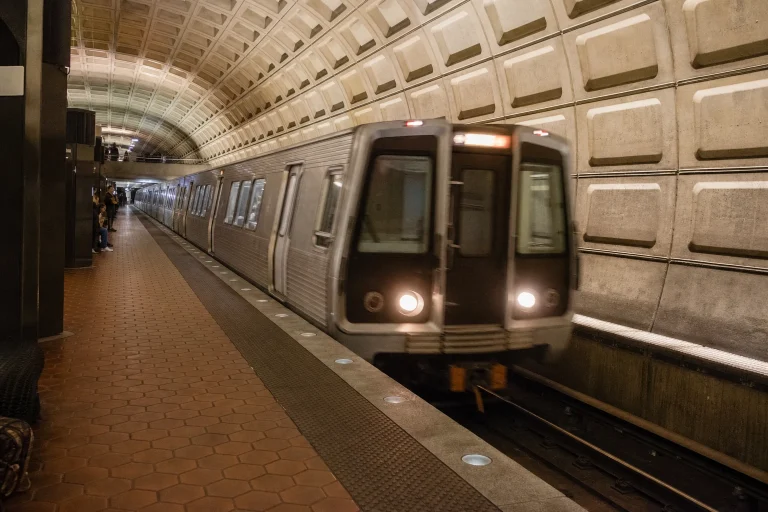
On July 4, build your plan around transit and walking rather than driving into the core Mall area. The 2026 visitor guidance identified Metro as the most accessible transport option for that event day, while official notices documented road restrictions, pedestrian controls and security checkpoints. Future operations will have their own plan, so check live service alerts and event instructions before leaving your hotel. Do not use past closure maps as navigation for a new year.
On other July days, a guide to getting around Washington DC without a car can help you match each neighborhood or attraction cluster to a practical route. Keep the day geographically focused and avoid committing to too many cross-city transfers. Metro fares and service patterns can change, so check current fares and operations directly before travel rather than budgeting from an old rate.
Accessibility planning deserves the same advance attention. July 4 event maps can identify services such as medical aid stations, restrooms, weather safe havens and controlled entry points, but these arrangements are event-specific. Confirm step-free routes, elevator status, accessible restrooms and mobility-device policies with the relevant museum, transit provider or event organizer shortly before your visit.
Still comparing Sightseeing?
Ask for tour ideas, hotel suggestions, or a simple trip plan that combines both.
Trip Helper
Set a realistic July budget
A July budget can stay flexible if you separate core sightseeing from optional convenience purchases. For the 2026 July 4 celebration, many public activities, including the main Mall celebration, were free, while rooftops, cruises and other reserved experiences could require paid tickets or reservations. That is a useful planning model, not a promise for future years. Compare the current event options after the calendar is published, then decide what convenience is worth paying for.
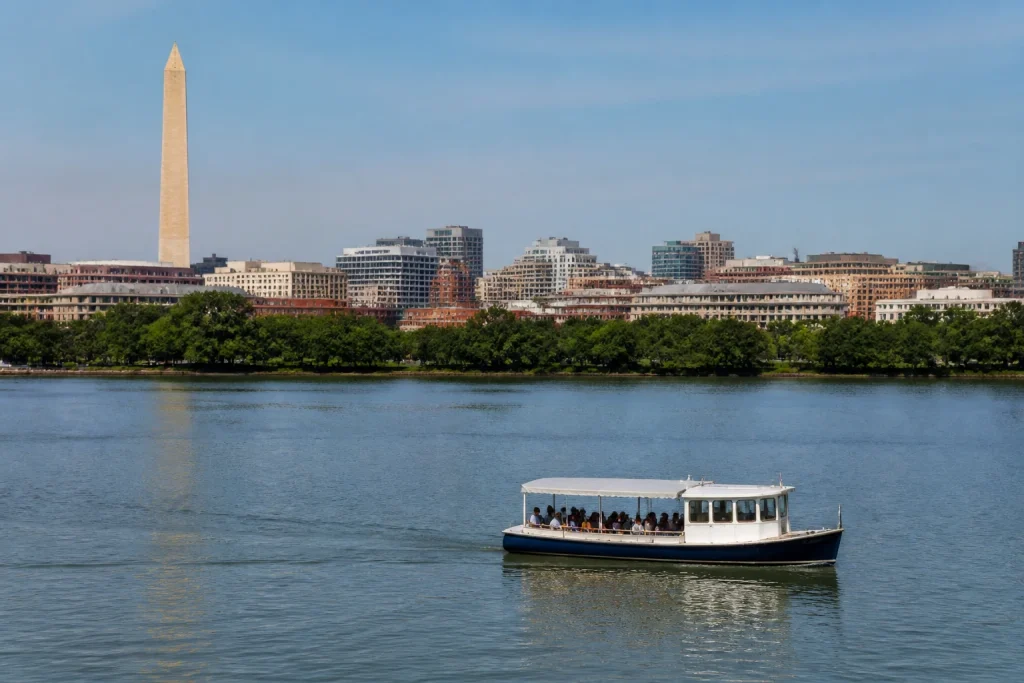
Reserved viewing makes the most sense for travelers who value a defined setting over the flexibility of public Mall viewing. Those considering this route can compare the city’s best rooftop bars in Washington DC, or look at a Potomac River cruise guide for the kind of experience that may be offered around the holiday. Treat both as optional upgrades and read the current booking terms carefully, since access and inclusions change by event and provider.
Check these details shortly before a July trip
- Review the forecast and any heat, storm or air-travel notices before finalizing outdoor-heavy days.
- Check the official calendar for the exact July dates of your trip, especially if July 4 falls during your stay.
- Confirm museum hours, timed-entry requirements and any holiday changes for the institutions on your list.
- For July 4, review the event map, security guidance, transit alerts and designated access information on the day itself.
- Reconfirm any paid rooftop or cruise reservation, including its meeting instructions, cancellation terms and event-specific access notes.
Weather can change an Independence Day plan quickly. National Park Service guidance notes that fireworks can be delayed or canceled by driving rain, high winds, lightning or low cloud cover. Keep your evening uncomplicated if fireworks are a priority, and have a second plan that does not depend on a particular start time or route home.
Make July work for your travel style
Washington DC in July suits travelers who enjoy active city energy but are willing to plan with care. Make museums part of the itinerary from the start, treat July 4 as an event with real logistical trade-offs, and leave room to adjust to the forecast. The reward is a trip that still includes the National Mall’s big civic setting without letting one crowded or weather-sensitive day overwhelm everything else.
Frequently asked questions
Is July a good month to visit Washington DC?
Yes, provided you build a flexible itinerary around outdoor conditions and treat July 4 as a separate event day. Museums around the National Mall and the National Gallery of Art offer useful indoor anchors when heat or weather changes the plan.
How should I plan for July 4 in Washington DC?
Plan July 4 around one main choice: public Mall viewing, a reserved experience, or a non-event-focused day. Allow extra time for security screening and transport, avoid relying on car access near the core Mall area, and use the current year’s official event guidance rather than past maps or schedules.
Are Washington DC museums a good option in July?
Yes, museums are a practical part of a July itinerary because they give you an indoor break between outdoor sightseeing blocks. Check the current hours and any timed-entry requirements for each museum before you set your schedule.
Can I drive to the National Mall on July 4?
Do not rely on driving into the core National Mall area on July 4. Previous Independence Day plans included road restrictions, pedestrian controls and security checkpoints, and future access arrangements can change with the event plan.
Are July 4 fireworks guaranteed to happen?
No. Fireworks can be delayed or canceled by driving rain, high winds, lightning or low cloud cover, so keep your evening plans flexible and check current updates on the day.
Should I use a previous year’s July event schedule to plan my trip?
No. Use the event calendar for your exact travel year. The 2026 America 250 programming and associated logistics were exceptional, so its dates, access rules and special arrangements should not be assumed for another July.
Experiences to explore
 Explore experience ↗
Washington DC in One Day: Guided Sightseeing Tour + Boat Cruise
◷ 6 hr
Board your glamourous, climate-controlled panoramic bus at the U.S. Navy Memorial for one of the best bus tours in Washington DC! Expan
From $89.00 USD
View dates Explore experience ↗
Washington DC "See the City" Guided Sightseeing Segway Tour
◷ 2 hr 30 min
Experience Washington DC on a 2-Hour Guided Sightseeing Segway Tour through the nation's capital and experience all of the great sights
From $70.00 USD
View dates Explore experience ↗
Washington DC Small-Group Sightseeing Experience
◷ 4 hr
Visit 10-iconic Washington DC landmarks in four hours! Explore Washington DC with a professional tour guide on this four-hour day tour.
From $99.00 USD
View dates