
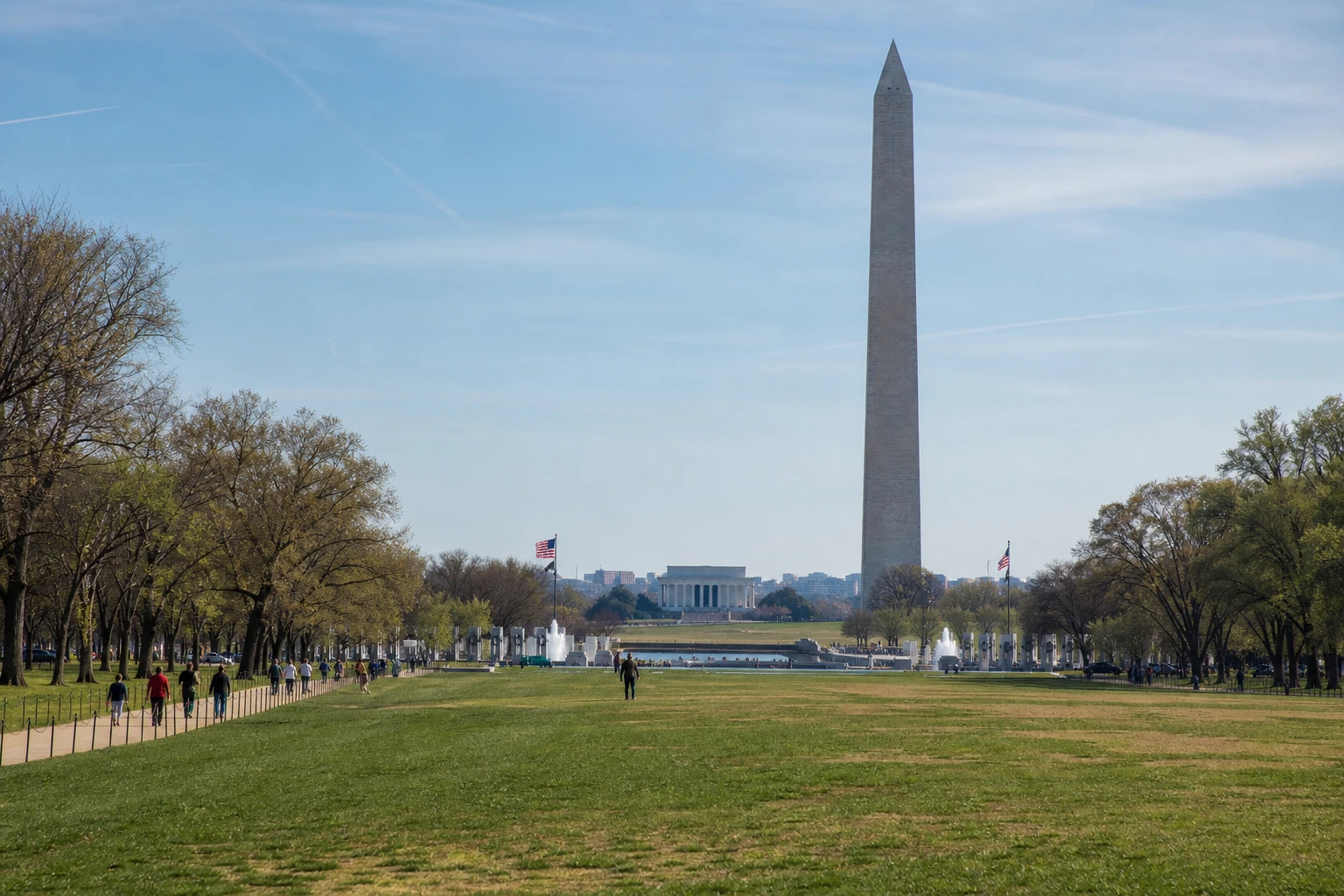
A Washington DC layover can deliver a memorable look at the capital, but the best plan is deliberately small. Choose a flexible outdoor stop, protect plenty of time for the airport return and treat any museum or observation-deck visit as a bonus only when its timed entry is already secured. Reagan National and Dulles create very different layover possibilities, so start with the airport before choosing a sight.
Should you leave the airport during a Washington DC layover?
Leaving the airport is most realistic from Reagan National Airport, also called DCA, when your schedule leaves a comfortable buffer around your flight. A short, reservation-free visit to National Mall memorials is the most adaptable choice when arrival timing is uncertain. Dulles International Airport, or IAD, calls for a substantially longer window because the rail trip alone takes significant time in each direction.

DC Monuments & Capitol Hill Highlights Tour by Electric Cart
Experience a whole different side of Washington, DC during our Monuments by day tour! Climb into our all-electric Red Roadsters and tour the National...
- Use DCA for the more flexible city stop, especially if you can access the Terminal 2 Metro connection.
- Treat IAD as a longer-layover option: the Silver Line trip to Metro Center takes about one hour each way and costs up to $6 per passenger.
- Favor the Lincoln, Jefferson, World War II, Martin Luther King Jr., FDR or Vietnam Veterans memorials when timing is uncertain; they are open daily without advance reservations.
- Do not make a short layover depend on a timed attraction unless you already hold the required entry slot.
- Check flight, airport, Metrorail and attraction updates immediately before you leave the terminal.
Choose your plan by airport: DCA versus IAD
The airport is the deciding factor in this Washington DC layover guide. DCA is positioned for a rail-based city outing with less commitment. IAD is connected by Metro as well, but its longer journey makes flight delays, airport procedures and the return to security more consequential. There is no one safe minimum layover length for everyone, so build backward from your onward flight rather than chasing a fixed number.
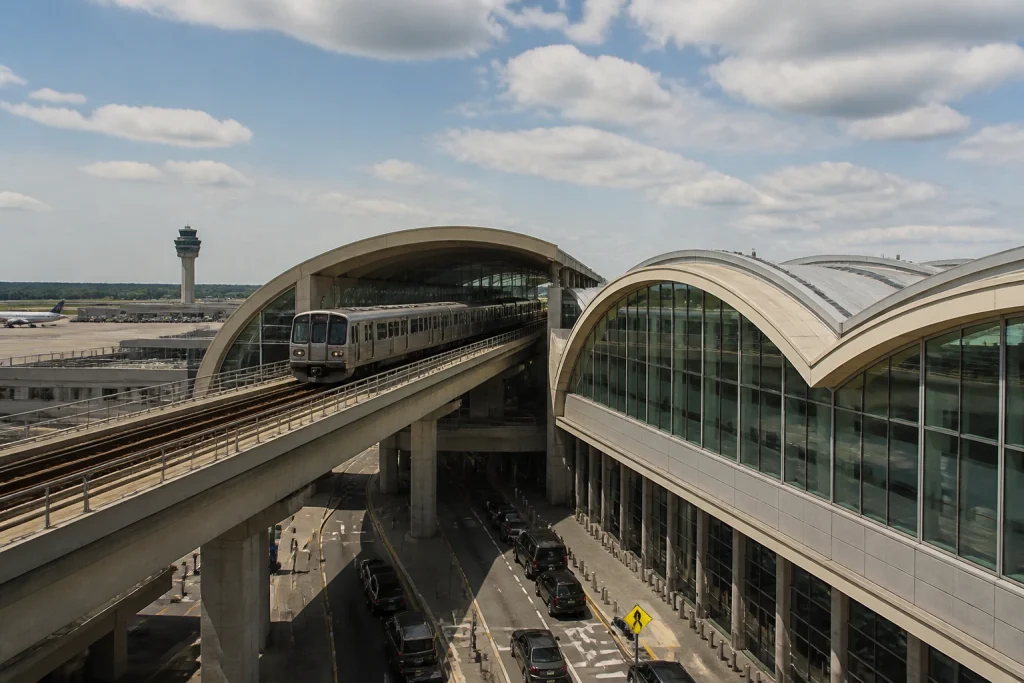
Reagan National Airport: the practical option for a flexible stop
At Reagan National, the elevated Metrorail station connects to the concourse level of Terminal 2. That terminal-specific connection makes DCA the stronger airport for a brief, Metro-accessible visit focused on outdoor landmarks. If your itinerary uses another terminal area, follow airport wayfinding and verify the current terminal arrangement before committing to a city excursion.
Dulles International Airport: save it for a substantial window
From IAD, the Silver Line journey to Metro Center takes about one hour and costs up to $6 per passenger. Once you add time to leave the airport, reach your destination, return and clear security again, an IAD layover excursion has far less room for surprises. Keep the plan simple, avoid closely timed bookings and be prepared to stay at the airport if the day starts running late.
| Airport | Rail detail supported by current guidance | Best layover approach |
|---|---|---|
| DCA / Reagan National | The elevated Metrorail station connects to Terminal 2's concourse level. | A flexible Metro trip focused on outdoor National Mall landmarks. |
| IAD / Dulles | Silver Line travel to Metro Center takes about one hour and costs up to $6 per passenger. | Reserve city plans for a substantially longer layover and keep the itinerary easy to abandon. |
On the day, check your airline, airport, WMATA service and chosen attraction before stepping outside. Rail service, terminal operations, security waits, attraction hours and timed-entry availability can all change. Major DC events can also disrupt airport, security and transit conditions, so a flexible plan is far more useful than a tightly choreographed one.
Build the layover around a return deadline
Set your personal leave-the-city time before you select an attraction. Use your airline's recommended arrival time as the fixed endpoint, then allow for the return journey, airport access and security. The remaining time is your sightseeing window. If it feels narrow on paper, it will feel narrower after a delayed flight, a long walk through a terminal or a service disruption.
- Confirm that your onward flight is operating normally and note the terminal for departure.
- Check airport and Metrorail conditions before leaving the terminal.
- Choose one main area or a small group of nearby memorials, not a citywide checklist.
- Keep one activity optional so it can be dropped without spoiling the plan.
- Leave the city at your pre-set deadline, even if there is one more sight you would like to see.
This approach leaves room for the pleasures that suit a layover: a walk, a view, photographs and a few unhurried minutes beside a landmark. It also prevents the most common mistake, turning a transit break into a race across the city. If your schedule is generous after all, add time gradually rather than locking in a long list at the start.

Washington DC's Monuments & US History Guided E-Cart Tour
This tour offers a detailed introduction to U.S. history and Washington D.C.’s famous monuments, guided by expert...

DC Monuments Night Tour with 10+ Stops, National Mall, Tickets
Experience Washington DC lit up at night during this 3-Hour Guided Night Tour of the National Mall and Monuments. Ma...

Washington, DC: Sunset & After-Dark Monuments Tour by E-Cart
Please Note: The 6:00 PM tour may not be fully dark depending on the season. The 8:30 PM tour offers a fully after-d...
Make the National Mall your most reliable layover stop
The National Mall works well when your schedule is changeable because several major memorials are open 24 hours daily and do not require advance reservations. The list includes the Lincoln Memorial, Jefferson Memorial, World War II Memorial, Martin Luther King Jr. Memorial, Franklin Delano Roosevelt Memorial and Vietnam Veterans Memorial. These are meaningful places to visit without the risk of forfeiting a timed ticket after a flight delay.
Keep the memorial walk compact
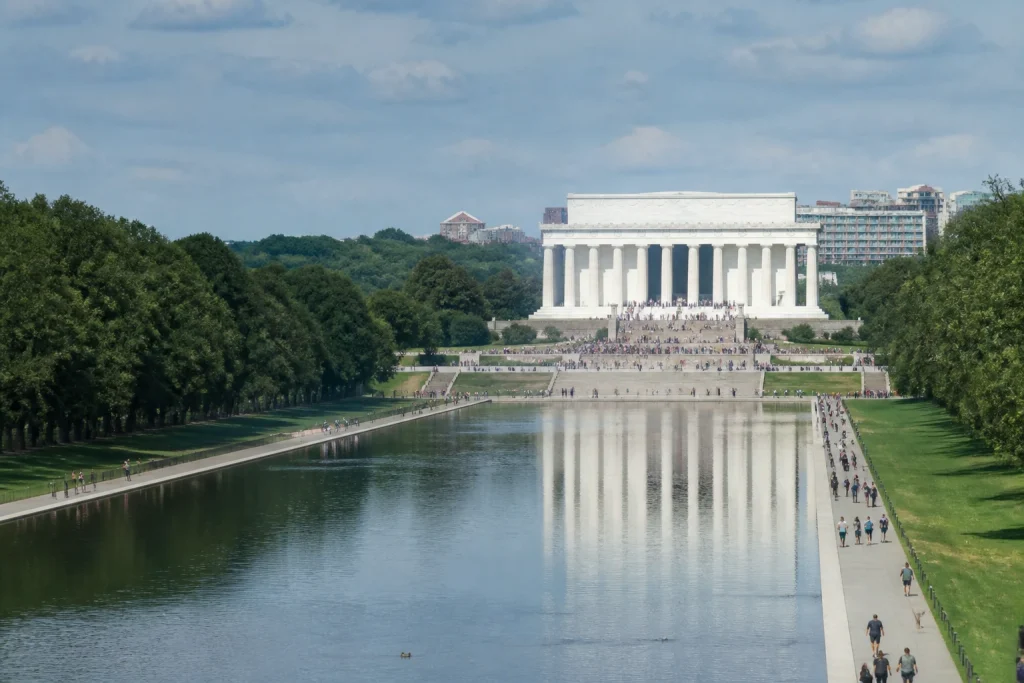
Pick two or three memorials that genuinely interest you and give yourself time to pause. The Lincoln Memorial offers a powerful focal point for a first visit, while the World War II, Martin Luther King Jr. and FDR memorials reward a slower outdoor walk. A Lincoln Memorial guide for first timers is useful for a longer return visit, but the memorial itself remains an easy no-reservation choice for a layover.
The Jefferson Memorial is another strong option if it fits your available time, especially for travelers who prefer a single landmark over a packed circuit. For a future stay with more breathing room, a National Mall guide for first-time visitors can help you connect memorials, museums and broader sightseeing into a fuller day. During a layover, restraint is the better travel skill.
National Park Service rangers are generally present at these memorials from 9:30 a.m. to 10 p.m. That ranger schedule is helpful context, but it is separate from the memorials' 24-hour access. Outside those ranger hours, the same simple strategy applies: stick to a manageable plan and leave enough time to return to the airport without rushing.
Avoid timed-entry traps when flights are unpredictable
A timed attraction can be excellent on a planned city break, yet it is a risky centerpiece for a short layover. Timed-entry or advance-ticket planning applies to popular places including the National Air and Space Museum, National Museum of African American History and Culture, Library of Congress, U.S. Holocaust Memorial Museum, Washington Monument and Bureau of Engraving and Printing. A late flight can turn an otherwise free visit into a missed slot.
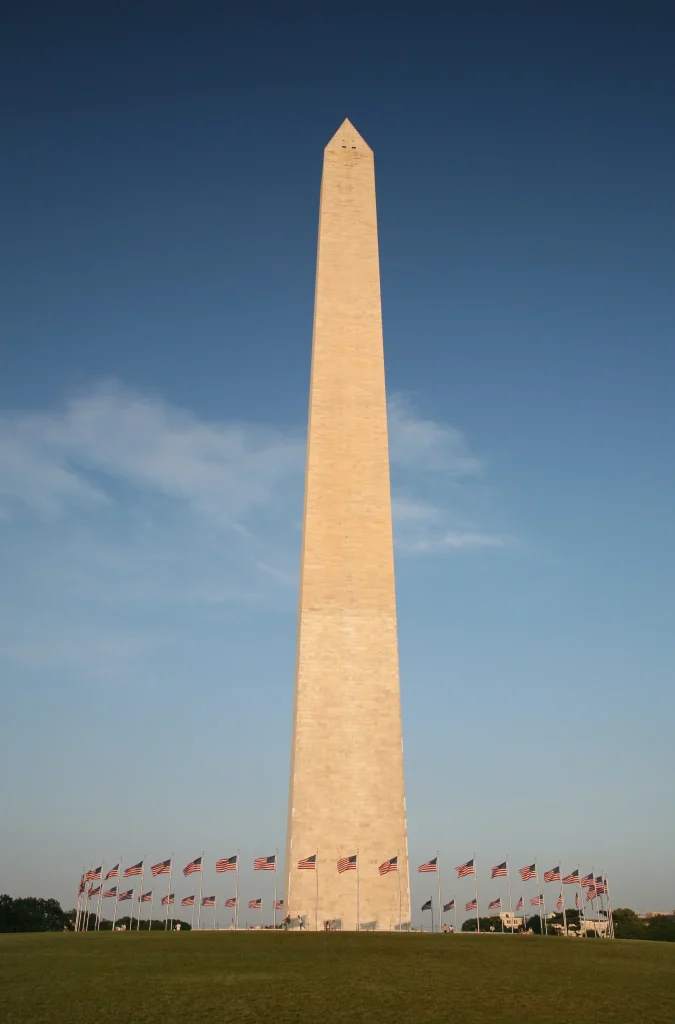
The Washington Monument has free admission, but it requires a timed ticket. Add it only if you already have a suitable entry time and enough airport buffer on both sides. The Washington Monument tickets and visitor guide is best used when arranging a separate visit with a confirmed time slot, rather than as a last-minute layover gamble.
If a museum is your priority, secure entry before the travel day and keep a no-ticket backup nearby in your mind. If the flight runs late, switch immediately to the memorial plan instead of trying to salvage a reservation. Check the attraction's current booking instructions before you travel because entry rules and availability can change.
Keep costs and logistics simple
A low-cost Washington DC layover is possible because many major outdoor memorials do not require admission. The Washington Monument is also free, although its timed-ticket requirement still applies. For IAD, budget up to $6 per passenger for the Silver Line trip to Metro Center. Do not assume that figure applies to every airport or every Metro journey.
Avoid spending your limited window on unnecessary detours. A snack, a short outdoor walk and one or two monuments can be more satisfying than an ambitious attraction schedule. Keep any purchases secondary to the return deadline, and save a full sit-down meal or a ticketed experience for a longer visit when the clock is not working against you.
Still comparing Washington DC Airport Layover Sightseeing?
Ask for tour ideas, hotel suggestions, or a simple trip plan that combines both.
Trip Helper
Plan for mobility needs and day-of changes
Travelers who need step-free routes or specific airport assistance should check the current accessibility information from the airport, WMATA and each attraction before leaving the terminal. Terminal layouts, elevator status and attraction arrangements are operational details that deserve a current check. Build extra time into the plan rather than relying on a tight connection.
For every traveler, the day-of checklist is short: airline status, departure terminal, airport operations, Metrorail service and attraction access. That five-minute review gives you a clear go-or-stay decision. If one piece is not cooperating, use the airport layover as time to eat, rest and reset instead of forcing an outing that puts the onward flight under pressure.
The smart Washington DC layover choice
A DCA layover can suit travelers who want a quick, flexible glimpse of Washington through Metro-accessible outdoor landmarks. An IAD layover needs a substantially larger time cushion, with the Silver Line journey shaping every decision. In either case, the National Mall memorials are the strongest low-commitment choice. Set your return deadline first, check live conditions and let a simple plan be enough.
Frequently asked questions
Is it worth leaving the airport on a Washington DC layover?
Yes, if you have a comfortable buffer around your onward flight and conditions are running normally. DCA is the more practical airport for a flexible city stop, while IAD is better suited to a substantially longer layover because the Silver Line trip to Metro Center takes about one hour.
Which Washington DC airport is better for a layover sightseeing trip?
Reagan National Airport, DCA, is generally the better choice for a short sightseeing stop because its elevated Metrorail station connects to the Terminal 2 concourse level. Confirm your terminal and current airport operations before setting out.
How much does Metro cost from Dulles to downtown Washington DC?
The Silver Line trip from IAD to Metro Center costs up to $6 per passenger. That figure is specific to the published IAD-to-Metro Center journey and should not be treated as a fare estimate for every Metro trip.
Can I visit Washington DC memorials without a reservation during a layover?
Yes. The Lincoln, Jefferson, World War II, Martin Luther King Jr., FDR and Vietnam Veterans memorials are open 24 hours daily without advance reservations, making them strong choices when flight timing is uncertain.
Should I visit the Washington Monument during a layover?
Visit the Washington Monument only if you already have a timed ticket and a generous airport buffer. Admission is free, but the timed-entry requirement makes it less flexible than the surrounding outdoor memorials.
What should I check before leaving the terminal?
Check your airline status, airport operations, Metrorail service and the access rules for any attraction you plan to visit. These details can change during the day, so make the final go-or-stay decision immediately before departing the airport.
Experiences to explore
 Explore experience ↗
Washington Monument Entry and National Mall Walking Tour
◷ 3 hr
Visit the Washington Monument on a self guided tour with entry ticket (approximately 1 hour). Discover the iconic National Mall with an
See dates for Current pricing
View dates Explore experience ↗
DC Monuments Night Tour with 10+ Stops, National Mall, Tickets
◷ 3 hr
Experience Washington DC lit up at night during this 3-Hour Guided Night Tour of the National Mall and Monuments. Make your way through
See dates for Current pricing
View dates Explore experience ↗
Transport Near BWI Dulles Reagan National Airports
◷ 1 hr–24 hr
Point To Point Or Airport Service, Within Town or Out of State, Sedan, Limo or Shuttle From Homes, Hotels, Events or Offices & Business
See dates for Current pricing
View dates