Most first-time visitors don’t realize how much time security lines, timed entries, and sheer walking can steal in Washington. If you plan your seven days well, you can catch an early Capitol tour, slip through the Library of Congress, circle the Mall’s big museums, and still save energy for Georgetown dinners and a sunset at the Tidal Basin. Add Arlington and Mount Vernon at the right moment, and the city starts to click in a way that’s surprisingly satisfying.
Key Takeaways
- Structure each day around one zone and one anchor sight, reserving timed-entry tickets early for the Capitol, Ford’s Theatre, Mount Vernon, and high-demand museums.
- Begin with Arlington National Cemetery, then visit the Udvar-Hazy Center or the National Mall Air and Space Museum if you want less travel.
- Pair Capitol Hill with the U.S. Capitol tour and Library of Congress, then continue along the National Mall and grouped memorials.
- Use separate days for downtown museums, Georgetown and the waterfront, plus a flexible Smithsonian day for favorites or missed reservations.
- Save energy by grouping monuments, using Metro or Uber between zones, and wearing comfortable shoes for long walks and muddy paths.
Washington DC Small-Group Sightseeing Experience
Visit 10-iconic Washington DC landmarks in four hours! Explore Washington DC with a professional tour guide on this four-hour day tour. We will go ove...
How to Plan 7 Days in Washington DC
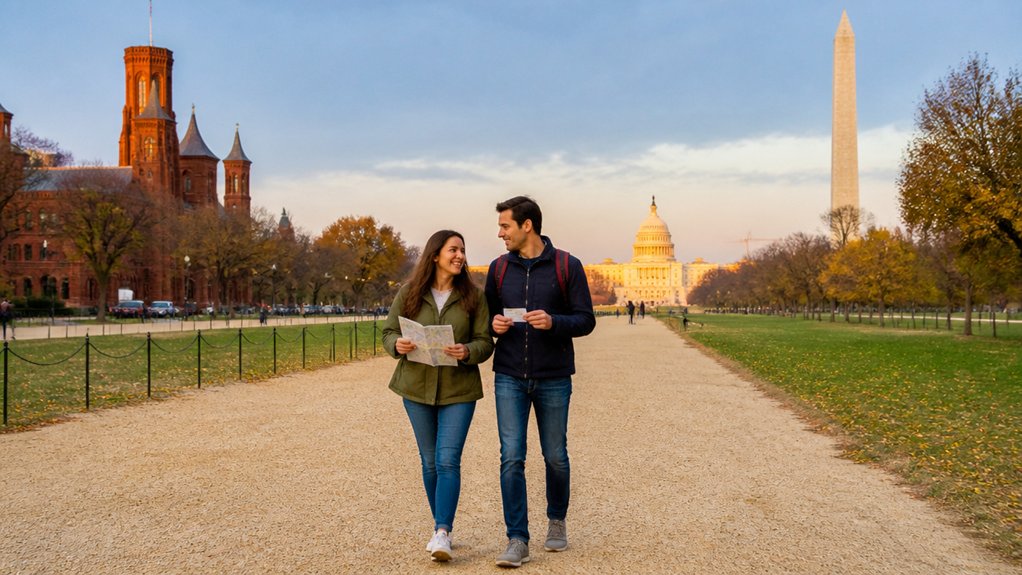
If you want to see Washington, DC without spending the whole week in a blur, give each day a clear focus and let the city unfold in layers. Build your Washington DC itinerary around reservations, walking zones, and one anchor sight each day. Start with Capitol Hill, where a U.S. Capitol tour pairs naturally with the Library of Congress. Use a visitor’s guide to the United States Capitol to better understand what you’ll see on your tour.
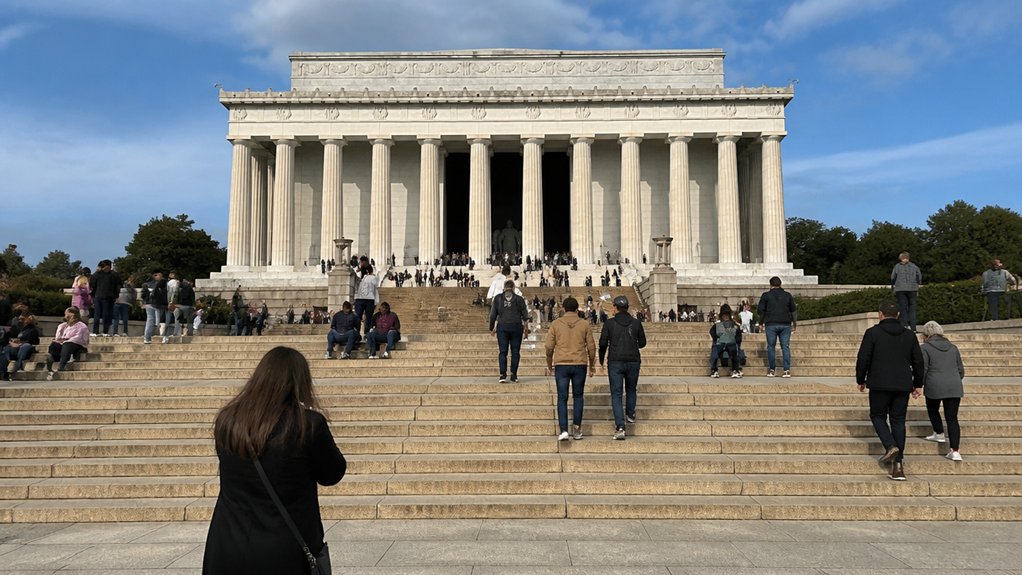
Later, dedicate a half day to the National Museum of African American History and Culture, then continue nearby. Save Arlington National Cemetery and Mount Vernon for separate days so you don’t rush. Leave room for Smithsonian museums beyond the Smithsonian National Air and Space Museum, and use a flexible day for returns. Along the National Mall, pace yourself, linger at the Lincoln Memorial, and let the city feel grand instead of exhausting for you.
Day 1 in Washington DC: Arlington and Air & Space
Because Day 1 sets the tone for the week, start with a place that feels both solemn and unforgettable. Begin at Arlington National Cemetery, five minutes from the National Mall. Give yourself 1 to 2 hours for the John F. Kennedy gravesite, the Tomb of the Unknown Soldier, and the changing of the guard. Use the ANC Explorer app so you don’t wander too long among the vast hills. From Washington DC, the easiest approach is often by Metro to Arlington National Cemetery station, which places you near the entrance.
| Stop | Why go |
|---|---|
| Arlington National Cemetery | History, ceremony, views |
| Udvar‑Hazy Center | Giant aircraft, space icons |
Then head to the Air and Space Museum’s Udvar‑Hazy Center near Dulles. Spend 2 to 3 hours with the Enola Gay and Space Shuttle Discovery. If you’re tired, the National Mall branch works, but Udvar‑Hazy Center delivers the real wow. Nearby planes also thunder overhead.
Day 2 in Washington DC: Capitol Hill and the Mall
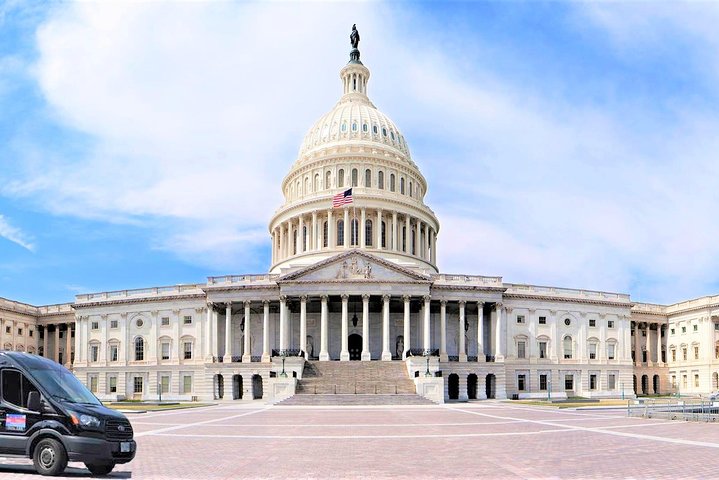
While Day 1 reached for grand views and giant aircraft, Day 2 brings you into the core of Washington. Start with a free U.S. Capitol tour at the Capitol, and reserve timed passes early because same-day slots can disappear fast. Plan to arrive at least 60 minutes early for Capitol entry because all visitors go through security and timed-entry tour passes are recommended.
Next, slip through the tunnel to the Library of Congress. Give yourself 30 to 45 minutes to admire the Main Reading Room and its glowing dome. For lunch, keep it efficient at the Capitol Visitor Center café, or head to the National Museum of African American History and Culture for Sweet Home Café.
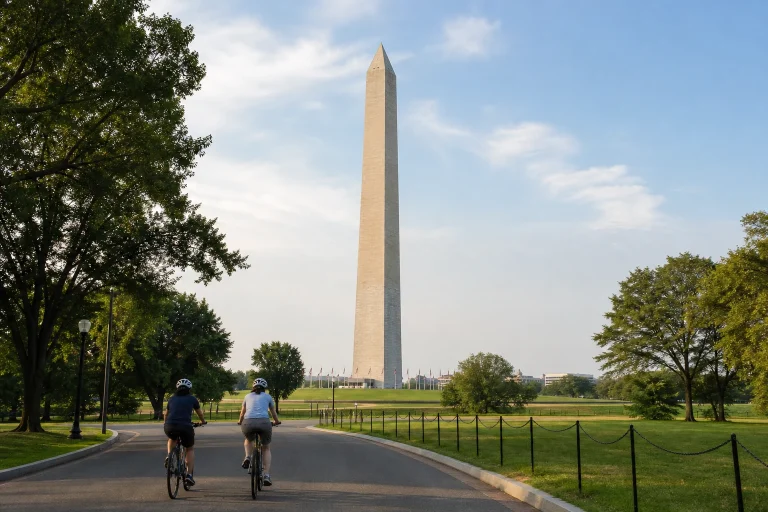
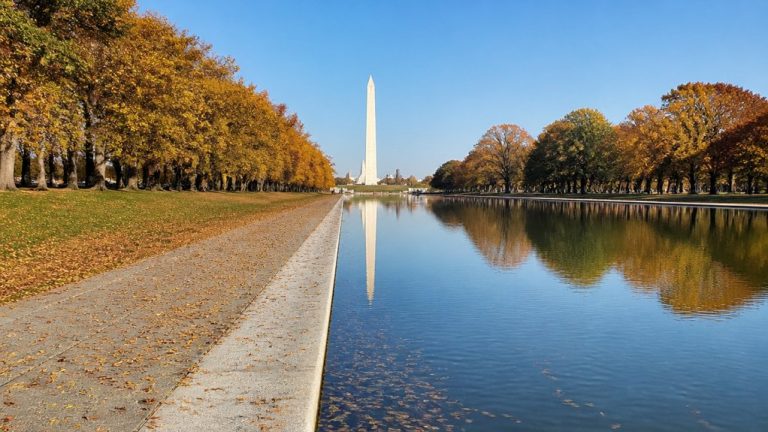
Spend about two hours at the Smithsonian National Air and Space Museum, or swap in another museum on the National Mall. Then walk past the Washington Monument toward the Lincoln Memorial, grouping memorials wisely and saving your feet.
Day 3 in Washington DC: Ford’s Theatre and Smithsonian Highlights
Start your third day at Ford’s Theatre, where you’ll book timed entry ahead, tour the museum and Visitor Center, and then cross to the Petersen House for a moving look at Lincoln’s final hours. The site centers on Lincoln’s assassination on April 14, 1865, while also exploring how the nation remembered the fallen president. After that, you can walk a few minutes to the National Portrait Gallery and Smithsonian American Art Museum to catch presidential portraits and sharp snapshots of American culture. If you’re craving bigger-name artifacts, head 10 to 15 minutes farther to the National Museum of American History for the Star-Spangled Banner, First Ladies’ gowns, and a few “wait, that’s here?” moments.

DC: US Capitol & Library of Congress / Supreme Court Guided Tour
Explore the heart of American democracy on Capitol Hill with reserved timed-entry tickets and a guide who knows thes...

Hop-on Hop-off Tour of DC with 18 Stops and Arlington Audio Tour
Explore Washington, D.C. with the Official Tour of the National Mall. As the National Park Service's authorized conc...

US Capitol "Big 3" Highlights with Reserved Entry
Join an expert local guide on this small-group guided tour of Capitol Hill, one of the top things to do in DC! Expl...
Ford’s Theatre Tour
Step into Ford’s Theatre and your Day 3 shifts from museum hopping to a vivid piece of American history. Book timed tickets early so you can join a guided tour and move smoothly through the visitor center, theatre, and museum exhibits without wasting precious sightseeing time.
Inside Ford’s Theatre, you’ll look up at the presidential box and confront the stark reality of the Lincoln assassination. Across the street, the Petersen House brings the story to its quiet end, with rooms that feel intimate and sobering. Give yourself 1 to 2 hours for the full visit, especially if you want audio programs or a ranger talk. Check the daily schedule for interpretive events or performances. This stop fits neatly into a day shaped around presidential history near the National Portrait Gallery and nearby Smithsonian stops. Many visitors find a guided tour especially valuable for understanding how the theatre, museum, and Petersen House connect into one powerful historical experience.
Portrait Gallery Stop
Next, head a few blocks to the National Portrait Gallery, where Day 3 shifts from the shock of Ford’s Theatre to the faces that shaped the country. Housed in the historic Old Post Office, this free Smithsonian stop pairs perfectly with Ford’s Theatre and Petersen House. Give yourself 45–60 minutes.
- See presidential portraits up close
- Browse America’s Presidents
- Check timed-entry and hours early
- Enjoy accessible galleries
- Refuel at the café and gift shop
You’ll move from Lincoln-era echoes to later leaders in a few quiet rooms. The museum feels calm, polished, and easy to navigate. Strollers and wheelchairs fit comfortably, which helps if your day is packed. Check timed-entry needs before you go, especially around special exhibitions. Then slow down, study the brushstrokes, and let the faces tell the next chapter clearly. Don’t miss the America’s Presidents exhibition, one of the museum’s signature draws for visitors interested in presidential history.
American History Highlights
After the hush of the Portrait Gallery, the Smithsonian National Museum of American History brings the story back into motion with objects you’ve seen in books and suddenly meet in real life. On the National Mall, you can stand before the Star-Spangled Banner, study Lincoln’s top hat, and pause at the Greensboro lunch counter. Give yourself 1 to 2 hours here, and check timed-entry rules for special exhibitions.
If you want to continue the historical thread later, the National Archives displays the Charters of Freedom daily from 10 a.m. to 5:30 p.m. alongside other foundational records.
Then head to Ford’s Theatre, where Lincoln was shot, and cross to Petersen House, where he died. The attached museum adds artifacts and atmosphere without feeling heavy-handed. Plan 2 to 3 hours for the full visit. Combined tickets and advance reservations make the day smoother, especially in busy seasons. History feels close here, almost uncomfortably so, but that’s the point.
Day 4 in Washington DC: Georgetown and the Waterfront
If you want a D.C. day that feels both polished and a little storied, Georgetown delivers from the first coffee onward. Start at Martin’s Tavern or Tatte Bakery, then browse M Street and 18th Street.
For a D.C. day that feels polished yet storied, start Georgetown with coffee and a stroll along M Street.
- Snap photos on the Exorcist Steps
- Walk the C&O Canal towpath
- Relax at Georgetown Waterfront Park
- Grab Georgetown Cupcake or Levain Bakery
- End near the Kennedy Center
You’ll pass cobblestones, rowhouses, and leafy corners that make Georgetown feel cinematic. A local’s guide to Georgetown highlights how these must-sees capture the neighborhood’s blend of historic charm and polished energy. Detour to Tudor Place or the Healy Building, then head for the Georgetown Waterfront and watch kayaks slice the Potomac. If it’s warm, rent one yourself. Dinner works well at Sequoia or Il Canale, especially if you need gluten-free pizza. Stay for sunset, when the river turns gold and the whole neighborhood seems to exhale before evening.
Still comparing Washington DC Multi Day Sightseeing Itinerary?
Ask for tour ideas, hotel suggestions, or a simple trip plan that combines both.
Trip Helper
Day 5 in Washington DC: More Museums and Downtown DC
While Georgetown charms with cobblestones and river views, Day 5 shifts back to downtown for a museum-heavy stretch that still feels easy to shape around your interests. Start at the Smithsonian National Museum of American History, then head to the National Portrait Gallery near Pennsylvania Avenue. If the National Museum of African American History & Culture is on your list, book timed-entry tickets early.
Plan lunch at Sweet Home Café walking distance from key sights, or duck into a food court. Many of DC’s Smithsonian museums offer free admission, which helps keep a downtown museum day budget-friendly. Add the National Archives to see the Declaration, Constitution, and Bill of Rights. Give it 45 to 90 minutes. Expect plenty of walking, so use Metro/Uber when your feet complain. End in Penn Quarter with dinner at Old Ebbitt Grill, where the brass and bustle feel wonderfully Washington after a day indoors.
Day 6–7 in Washington DC: Monuments, Food, and Mount Vernon
Days 6 and 7 bring Washington’s biggest icons into focus, with wide memorial views, river breezes, and one worthwhile trip beyond the city. Start at the Tidal Basin at sunrise or sunset for the Jefferson Memorial and MLK Jr. Memorial, then head to Mount Vernon for a guided tour.
- Watch light ripple across the water
- Book Mount Vernon ahead
- Eat at Mount Vernon Inn Restaurant
- Group the National Mall monuments
- Reward yourself at The Wharf
Give Mount Vernon 2 to 4 hours. Wear comfortable shoes because paths can get muddy. A Grounds pass is required for admission, and entry to the Mansion also requires a separate guided Mansion tour ticket. On Day 7, cluster the Lincoln Memorial, WWII Memorial, and nearby memorials across the National Mall, then end at the Washington Monument. For dinner, pick The Wharf or Georgetown and save your legs by taking Uber or Metro after all that heroic walking.
Frequently Asked Questions
What Is the Best Neighborhood to Stay in Washington DC?
You’ll find Capitol Hill best for first visits; you can walk major sights easily. Choose Penn Quarter, Dupont Circle, Foggy Bottom, Logan Circle, Shaw District, Mount Vernon, Adams Morgan, Navy Yard, or Georgetown Charm instead.
How Much Does a 7-Day Washington DC Trip Typically Cost?
Like a compass, you’ll spend $600–$2,800 weekly. Your average budget depends on accommodation breakdown, food expenses, transportation costs, attraction fees, museum admissions, tour prices, seasonal pricing, hidden fees, and daily spending habits.
When Is the Best Time of Year to Visit Washington DC?
You’ll find the best time is late March or mid-September to early November, balancing spring blooms, fall foliage, air quality, and fewer peak tourism crowds; use early mornings, weekday visits, hotel deals, summer events, winter holidays, park festivals.
Do I Need a Car for a Week in Washington DC?
No—you don’t need a car; like puzzle pieces clicking together, DC’s pedestrian friendly core, public transit, bike share, rideshare apps, and airport transfers work well. Skip car rental, hotel valet, parking costs, and long term parking.
Are Washington DC Attractions Suitable for Toddlers and Strollers?
Yes—you’ll find many stroller friendly museums and accessible monuments, plus family restrooms and sensory friendly exhibits. Use stroller safe paths, follow stroller navigation tips, visit toddler playgrounds, nap friendly cafes, toddler meal spots, and stroller rental options.
Conclusion
Seven days in Washington, DC gives you time to do more than race past landmarks. You can watch sunrise skim the Tidal Basin, hear the quiet at Arlington, and still leave room for Georgetown coffee and one more Smithsonian stop. Fun fact: the Smithsonian includes 21 museums and the National Zoo, so no one sees it all in one trip. That’s the charm. You’ll leave with full walking shoes, sharper history, and a short list for next time.
Experiences to explore
 Explore experience ↗
7-Day Garden Route Safari Adventure from Cape Town
◷ 168 hr
Discover Your Journey: 7-Day Garden Route Safari Adventure from Cape Town offers travellers an immersive experience through South Afric
See dates for Current pricing
View dates