

Rain need not flatten a day in Washington DC. The city is especially well suited to a weather-proof plan built around museums, covered food halls and a possible theater performance. Keep the National Mall’s open-air memorials as a bonus for a break in the weather, rather than the backbone of the day. This itinerary favors flexible indoor anchors, with one important exception: a museum visit that requires a timed pass.
Rainy-day game plan at a glance
- Make the National Gallery of Art your most flexible morning anchor. Its East and West Buildings connect through an underground concourse.
- Use a Smithsonian museum for a low-cost afternoon stop, since Smithsonian general admission is free.
- Build around a timed pass at the National Museum of African American History and Culture only if you have already secured one.
- Choose a covered food hall for lunch, then hold the White House Visitor Center or an IMAX film as an indoor backup.
- Check same-day entry arrangements and operating status before leaving, especially for ticketed attractions and sites with changing schedules.
Start with the National Gallery of Art
Begin with the National Gallery of Art, where the East and West Buildings are linked by an underground concourse. That connection matters on a wet day: it lets you move between two substantial indoor spaces without stepping back into the rain. Arrive with enough time to wander rather than trying to force a rapid checklist. The gallery works well as a default first stop because it gives the day a strong center even when the forecast worsens.

Smithsonian "Big 3" Highlights Tour (Air & Space Entry Included)
See the best of the Smithsonian Museums on a 3-hour guided tour of the highlights of the American History, Natural History, and Air and Space Museums...

Smithsonian Museum of Natural History - Exclusive Guided Tour
Join a 2 hour exclusive guided tour of the National Museum of Natural History, featuring rare marvels from around the world. The tour will lead you th...
Treat the gallery as a place to spend the whole morning or as a generous first chapter before another museum. The practical advantage is flexibility. If rain is heavy, stay longer and use the indoor concourse to shift buildings. If the weather softens, you can leave later with fewer exposed transitions than a plan that depends on hopping among outdoor memorials.
Use a timed-pass museum as an alternate morning anchor
The National Museum of African American History and Culture is a rewarding rainy-day anchor for travelers holding timed passes. Put that entry time first in the schedule, then use the National Gallery of Art before or after it as your flexible stop. If you do not have a pass, do not build the entire day around a same-morning visit. Choose the gallery or another Smithsonian museum instead and keep the plan moving.
Choose one Smithsonian museum for the afternoon
After lunch, choose one Smithsonian museum rather than trying to dart between several collections in the rain. Smithsonian museums offer free general admission, making them a useful budget-friendly backbone for the middle of the day. A focused stop also leaves room for wet coats, entry lines and the slower pace that rainy streets can impose. Confirm current entry arrangements before traveling to the museum you choose.
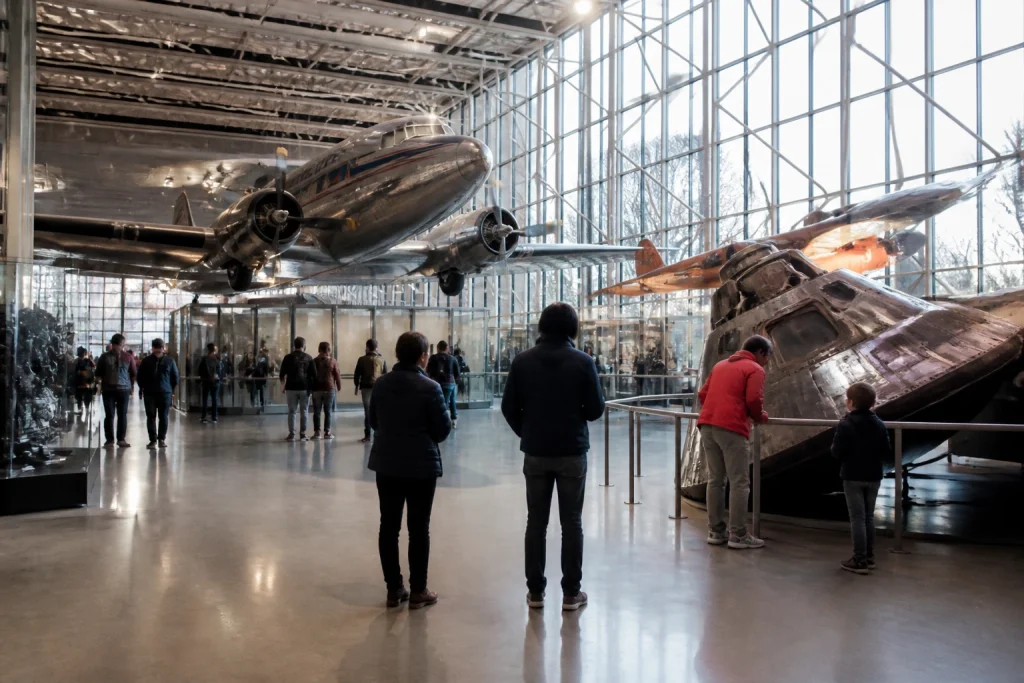
The Smithsonian National Museum of American History is one possible choice for visitors who want a museum centered on the nation’s history. The Smithsonian National Air and Space Museum is another strong indoor option, especially for travelers drawn to aviation and space. Both fit the logic of a rain-day itinerary: pick one that suits your interests, give it unhurried time and avoid turning the afternoon into a race across exposed sidewalks.
Add an IMAX showing only if it improves the rhythm
An Air and Space IMAX film can extend an indoor afternoon when rain is steady, particularly if you want a seated break after museum galleries. Treat it as an add-on rather than an assumption. General Smithsonian admission is free, but films, special programs and similar extras can have separate ticket terms. Check the listing before shaping the rest of the afternoon around a screening.
Keep the schedule deliberately roomy. A rainy-day itinerary succeeds when one museum can absorb an extra hour without disrupting dinner or an evening ticket. That breathing room also makes it easier to change course if a particular entrance, program or transit connection is not operating as expected.
Take lunch under cover and keep a downtown backup
Plan lunch at a covered food hall instead of scheduling a long outdoor detour. A food hall gives everyone a chance to warm up, choose a meal at their own pace and reset before the next timed activity. It also reduces the risk of losing the afternoon to a soggy search for a table. Choose one that fits naturally between your morning museum and the next confirmed entry.
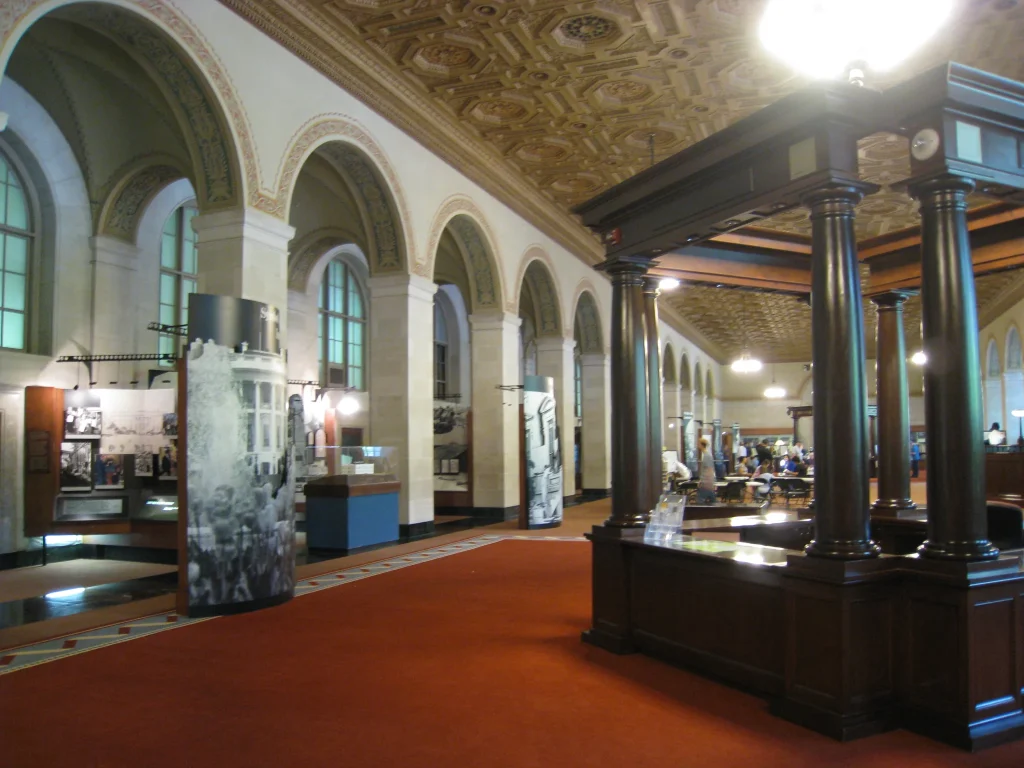
Use the White House Visitor Center as a compact indoor stop
The White House Visitor Center is a useful covered fallback if it fits your day’s movements. It is open seven days a week and includes artifacts, a virtual tour and a 14-minute film. This makes it particularly handy when you have an hour to fill before an evening reservation or want an indoor alternative to waiting outdoors. Check its current visitor hours before heading over.
White House visitor planning works best as a flexible addition, not as the one activity that holds the day together. Put a museum or timed pass first, then slot the Visitor Center into an open stretch. That order protects the itinerary if rain slows travel or a same-day schedule changes.
Smithsonian Museum of Natural History - Exclusive Guided Tour
Join a 2 hour exclusive guided tour of the National Museum of Natural History, featuring rare marvels from around th...
Smithsonian "Big 3" Highlights Tour (Air & Space Entry Included)
See the best of the Smithsonian Museums on a 3-hour guided tour of the highlights of the American History, Natural H...
Finish with a theater performance or a relaxed covered dinner
An evening theater performance gives a rainy day a clean, dependable finish. It turns the forecast into an excuse to settle into a seat after a museum-focused afternoon, rather than trying to squeeze in one more outdoor landmark. Look for a performance that begins late enough to allow for a leisurely meal and wet-weather travel. Review the ticket details and arrival instructions when booking.
If you prefer an unscheduled evening, return to covered dining and let the day end without another fixed commitment. This is the right choice for travelers who have already used a timed museum pass or spent most of the day on their feet. The aim is not to fill every hour. It is to keep the day comfortable, dry and satisfying.
Practical rainy-day logistics for Washington DC
Dress for the walk between indoor anchors
Wear shoes with reliable grip, bring a compact umbrella and keep a light waterproof layer easy to reach. A small bag for a damp umbrella is useful inside museums and food halls. Avoid a schedule that assumes every outdoor walk will be pleasant simply because it is short. Even brief crossings feel longer when wind, puddles and a crowded sidewalk arrive together.
Check transit and accessibility details before leaving
Keep outdoor walking segments as a bonus, not an assumption. If you plan to use Metro, check current fares, service alerts and the route before setting out rather than relying on an old fare chart. Travelers who need elevators, step-free access or other accessibility arrangements should confirm current conditions directly with WMATA and each venue. These operational details can change during the day.
Put tickets and confirmations in one place
Keep timed passes, theater tickets and any film reservation together on your phone before you leave the hotel. The National Museum of African American History and Culture requires timed passes, while Washington Monument entry also requires a ticket. Indoor-site arrangements can shift because of weather, staffing, funding or unforeseen circumstances, so reconfirm same-day status before committing to a long transfer.
Do not make the Washington Monument your rain-day anchor
The Washington Monument can fit into the day only when you already have entry tickets and the weather gives you a workable outdoor window. It is not a guaranteed walk-in shelter. Entry requires tickets, and the monument normally closes one day each month for routine maintenance. Washington Monument ticket planning should therefore be handled before the day begins, not improvised after the rain starts.
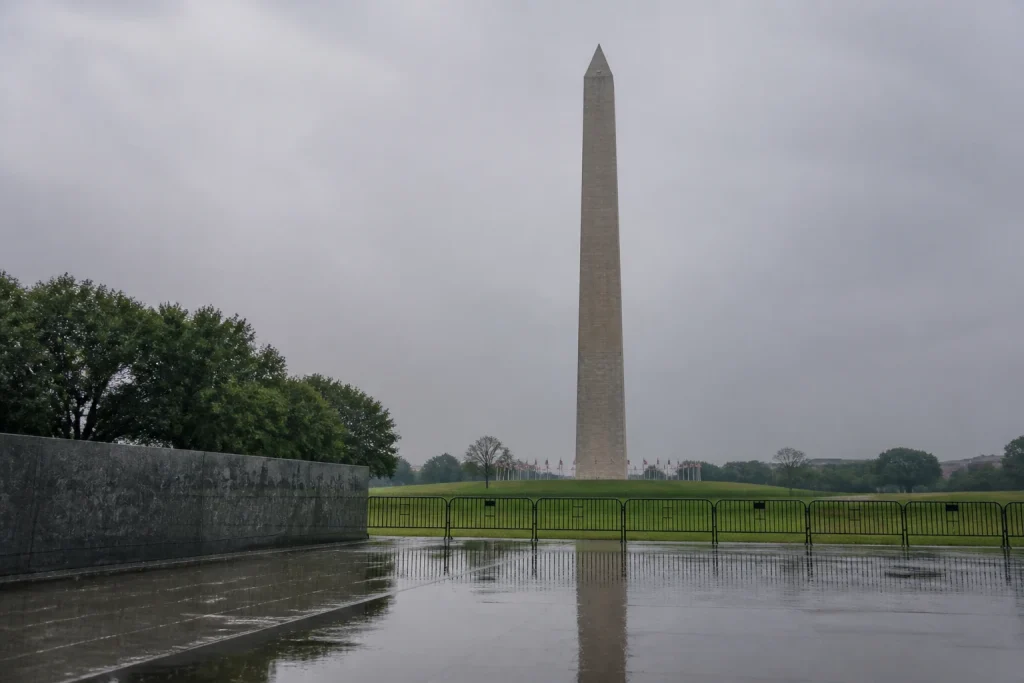
National Mall outdoor areas are generally open around the clock, but open access does not make them rain-proof. If the rain lightens, use a brief walk outdoors as an optional reset between indoor activities. If it does not, stay with the museum, food hall and theater plan. A National Mall guide for first-time visitors is more useful on a drier day, when the memorials can be explored without rushing for cover.
Tailor the itinerary to your travel style
For families
Give each traveler one museum choice, then protect a proper lunch break. The Smithsonian National Air and Space Museum can be an appealing option for aviation- and space-minded visitors, while an IMAX screening can provide a welcome seated pause. Keep one backup activity in reserve instead of stacking several timed entries. A day with room to change course is usually easier on children and adults alike.
For a lower-cost day
Center the day on Smithsonian museums, where general admission is free, and spend only on the meal or an evening activity you genuinely want. Free things to do in Washington DC can still feel substantial when a full museum visit replaces a string of paid indoor diversions. Just separate free general admission from films, special programs and other ticketed extras when making the budget.
For travelers with a timed pass
Make the National Museum of African American History and Culture your fixed point, then build the rest of the itinerary around it. Use the National Gallery of Art for flexible time before or after the pass, choose a covered lunch and reserve the late afternoon for another museum, the White House Visitor Center or a film. This avoids the stress of treating every stop as equally urgent.
Sample Washington DC rainy day schedule
- Morning: Begin at the National Gallery of Art and move between its East and West Buildings through the underground concourse.
- Late morning: Continue at the gallery, or use a pre-booked timed pass at the National Museum of African American History and Culture.
- Lunch: Take a covered food hall break and check the afternoon’s entry arrangements.
- Early afternoon: Choose one Smithsonian museum, such as the Smithsonian National Museum of American History or the Smithsonian National Air and Space Museum.
- Late afternoon: Stay at the museum, add an IMAX screening if its ticket terms suit your plan, or use the White House Visitor Center as a downtown backup.
- Evening: Finish with a theater performance or a relaxed covered dinner, then save the Mall memorials for a drier window.
This schedule is intentionally a sequence rather than a rigid route. The day can lengthen at the National Gallery, pivot around a timed pass or stay entirely within free Smithsonian general-admission stops. Before you leave, confirm the day’s venue status and make the next indoor door more important than the next photo stop.
Make the rain part of the plan
A Washington DC rainy day works best for travelers who enjoy letting museums set the pace. The main limitation is that timed passes and ticketed attractions require advance thought, while outdoor monuments are far more enjoyable in a dry break. Start with the National Gallery of Art, choose one Smithsonian museum, keep lunch covered and reserve a theater ticket only if a fixed evening suits your style. A broader four-day Washington DC itinerary can hold the outdoor highlights for better weather.
Frequently asked questions
What can I do in Washington DC when it rains?
Build the day around indoor museums, a covered food hall, the White House Visitor Center, an IMAX film or a theater performance. Keep outdoor Mall memorials as optional additions if the weather improves.
Are Smithsonian museums free?
Smithsonian museums offer free general admission. Films, special programs and other add-ons can have separate ticket terms, so check before adding them to your itinerary.
Do I need a timed pass for the National Museum of African American History and Culture?
Yes, the National Museum of African American History and Culture requires timed passes. Secure one before making it the central stop in a rainy-day plan.
Is the Washington Monument a good rainy-day activity?
The Washington Monument is best treated as an optional add-on, not a rain-day anchor, because entry requires tickets and the site has a routine monthly maintenance closure. Check its same-day status before going.
How should I get around Washington DC in the rain?
Keep the distance between indoor stops manageable and check current Metro routes, fares and service alerts before leaving. If you need elevator or step-free access, confirm current conditions with WMATA and the venues on your plan.
Smithsonian "Big 3" Highlights Tour (Air & Space Entry Included)
See the best of the Smithsonian Museums on a 3-hour guided tour of the highlights of the American History, Natural History, and Air and Space Museums...
Smithsonian Museum of Natural History - Exclusive Guided Tour
Join a 2 hour exclusive guided tour of the National Museum of Natural History, featuring rare marvels from around th...
Still comparing Washington DC Rainy Day Itinerary?
Ask for tour ideas, hotel suggestions, or a simple trip plan that combines both.

.jpg)
One Comment
[…] not expect an after-dark Washington Monument ascent. The monument’s listed indoor visiting hours are 9 a.m. to 5 p.m., with tickets required, […]