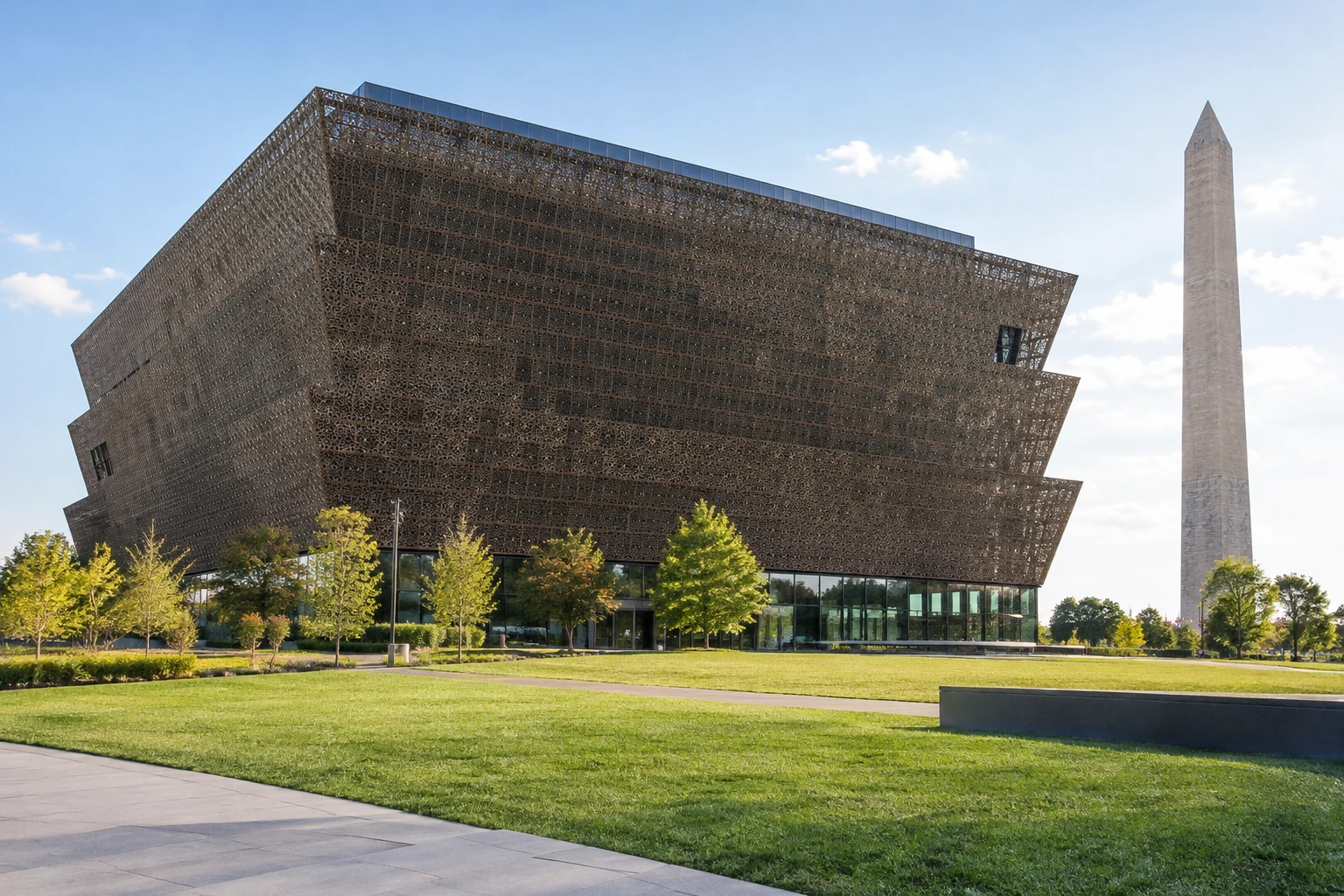
Washington DC African American history tours are strongest when they unite a major museum visit with the neighborhoods and memorial landscapes beyond it. Use the Smithsonian National Museum of African American History and Culture as an anchor, then branch out through U Street’s Black Broadway, Howard University, Anacostia, National Mall memorials, and sites associated with Frederick Douglass and Mary McLeod Bethune. The result is a fuller picture of the city’s Black history and culture.
- Reserve a free timed-entry pass before visiting NMAAHC, since every visitor needs one.
- Allow at least two hours and about one mile of walking for NMAAHC’s History Galleries.
- Use the African American Heritage Trail for a self-guided route through 100 sites in 15 neighborhood trails.
- Stay car-free by focusing on Metro-linked trails, or plan a vehicle for heritage trails 9 through 12.
- Choose a private guided experience when vehicle transport and a narrated, fixed route matter most.
Choose the tour format that fits your day
In Washington, a history tour can mean a museum-focused visit, a self-paced neighborhood walk, or a private vehicle itinerary. Each has a distinct advantage. NMAAHC provides a concentrated experience with free admission and timed entry. The city’s heritage resources reward travelers who want to set their own pace. A private tour adds transportation and narration across several important locations.

Private African American History Tour with Reserved Museum Entry
Go back in time to some of the most iconic moments from the civil rights movement with this fascinating African American history tour of Washington DC...

Private Black History Tour Washington DC for up to 10 Guests
Experience the profound legacy of African American history on our 3-hour Washington DC Black History Tour by Perfect...

2 Hours Mini African American Heritage Tour of Washington DC
Discover Washington, DC through the powerful stories, landmarks, and people that shaped African American history. Th...

Civil War African American Heritage Tour in Washington DC
Discover the deep, vibrant legacy of African American culture and history in Washington, DC on a private tour. Exper...
| Format | What it offers | Best for | Key planning point |
|---|---|---|---|
| NMAAHC visit | History Galleries with free timed entry | Travelers seeking a museum anchor | Reserve a pass and allow substantial time |
| Self-guided heritage trail | Narratives and maps for 100 sites across 15 neighborhood trails | Independent explorers and repeat visitors | Check each site’s access classification before setting out |
| Private guided experience | A four-hour, flexible-start route with private vehicle service | Visitors who value narration and efficient transport | Review the current route, timing, and inclusions before booking |
Avoid packing every element into one hurried day. NMAAHC alone requires real time, while the heritage trail is designed to unfold across neighborhoods. A better rhythm is to make one part of the day museum-focused and save a trail, memorial route, or guided drive for another day. This also leaves room to follow the themes that interest you most, such as education, faith communities, segregation, civil rights, Black Power, or Black Broadway.
Make NMAAHC the anchor of your itinerary
The Smithsonian National Museum of African American History and Culture is the most practical starting point for many visitors. Admission is free, but every visitor needs a timed-entry pass. Advance passes are released on a rolling 30-day basis, while same-day passes are limited. A pass does not remove every wait, since entry remains subject to building capacity.
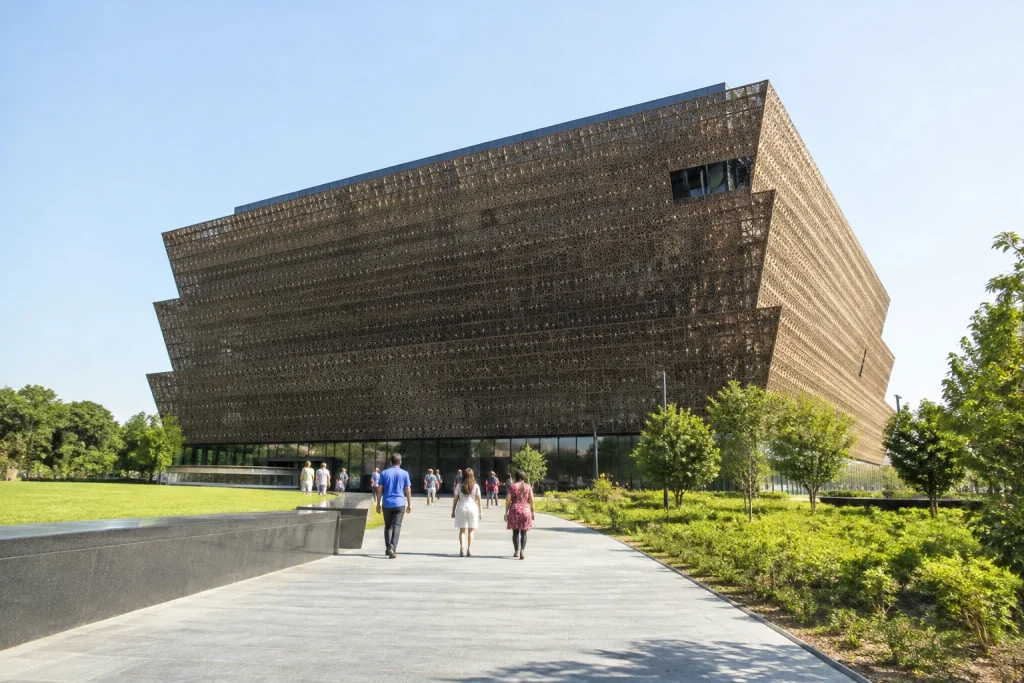
Give the History Galleries at least two hours. The museum estimates roughly one mile of walking through these galleries, so this is not a quick sightseeing stop between other National Mall plans. Friday through Sunday, from noon to 4 p.m., is the busiest period, and History Gallery lines can be long. A weekday or an entry outside that window is a better bet for a less crowded visit, subject to pass availability.
Build a little breathing room around your pass time for security screening, but do not arrive before the time on your pass. Operating procedures, gallery access, and museum hours can change, so check them shortly before your visit. Travelers watching their spending can pair this free museum stop with other free things to do in Washington DC, then use a heritage trail to extend the day outdoors.
Turn the African American Heritage Trail into a neighborhood walk
The DC Office of Planning’s African American Heritage Trail is the best self-guided alternative to a conventional group tour. Its guide covers 100 historic sites across 15 neighborhood trails, with site narratives, maps, and nearby Metro stops. Rather than chasing a long checklist, choose one neighborhood or theme and give it time. U Street and Black Broadway, civil rights, education, faith communities, and Anacostia each offer a different lens on the city.
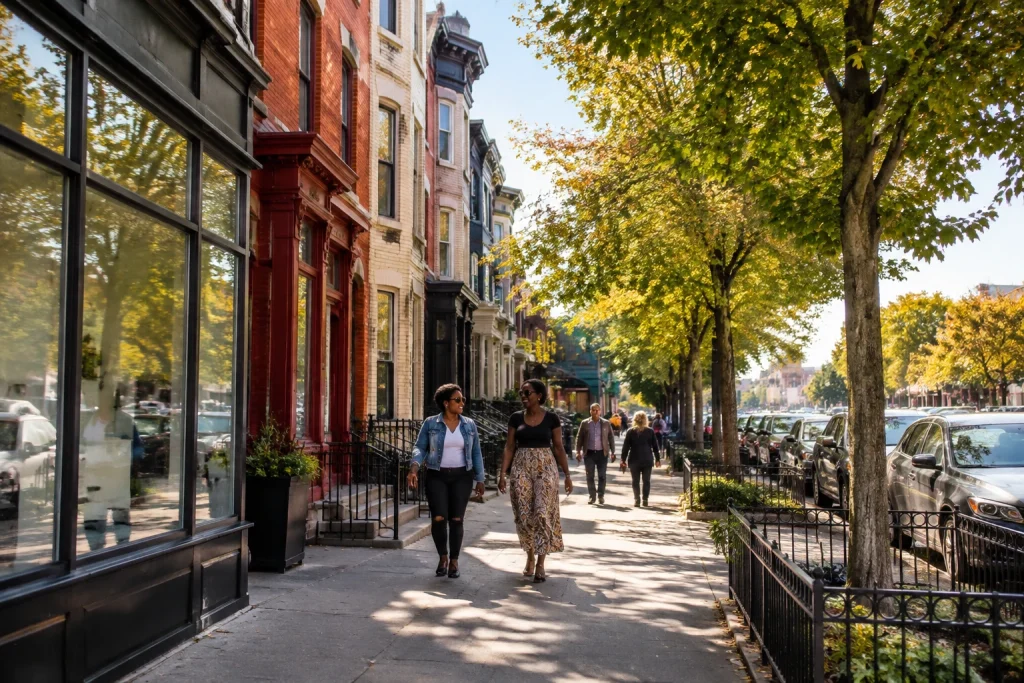
Read the access notes before you go. The trail includes publicly visitable places, private buildings visible only from the street, historic locations where the original structure no longer stands, sites awaiting restoration, and places better reached by car. That variety is part of the trail’s value, but it means a meaningful stop does not always involve stepping indoors.
Most neighborhood trails are easy walks with public transportation access. Trails 9 through 12 are best explored by automobile, so they suit travelers with a car or driver. For the car-free routes, a guide to getting around Washington DC without a car is useful for shaping a practical Metro-based day without overloading your schedule.

Private Tour of Museum of African American History and Culture
Discover the heart and soul of African American history with a private tour of the National Museum of African Americ...

1 Hour Virtual African American Heritage Tour of Washington DC
Virtual Online ToursIf you’ve been thinking of an educational recreation, Zohery Tours presents Virtual Online t...

National Mall Tour: 10+ Monuments & Optional Museum Tickets
See the very best of Washington DC in a single morning on this guided 3-hour National Mall bus tour. Travel comforta...
What a private guided tour adds
A Washington.org-listed private African American History & Culture experience is advertised as a four-hour, flexible-start tour that operates year-round. Its stated route includes U Street and Black Broadway, the Martin Luther King, Jr. Memorial, the African American Civil War Memorial, the Lincoln Memorial, a Howard University walk, and private vehicle service. Driver gratuity is included, while guide gratuity is excluded.
This style of tour suits visitors with limited time, mobility considerations, or a strong preference for a guide’s narration and vehicle transport between stops. It also gives a useful overview before you return independently to a neighborhood or museum that deserves more time. The tradeoff is simple: it is a paid private option, while NMAAHC admission is free and the heritage trail supports a self-paced exploration.
Before booking any commercial experience, check the current start time, exact route, and ticket inclusions. Tour schedules and inclusions can change, and the day’s plan should still leave space for traffic, screening, and the museum’s timed-entry requirements if NMAAHC is part of your itinerary.
Build a slower two- or three-day history itinerary
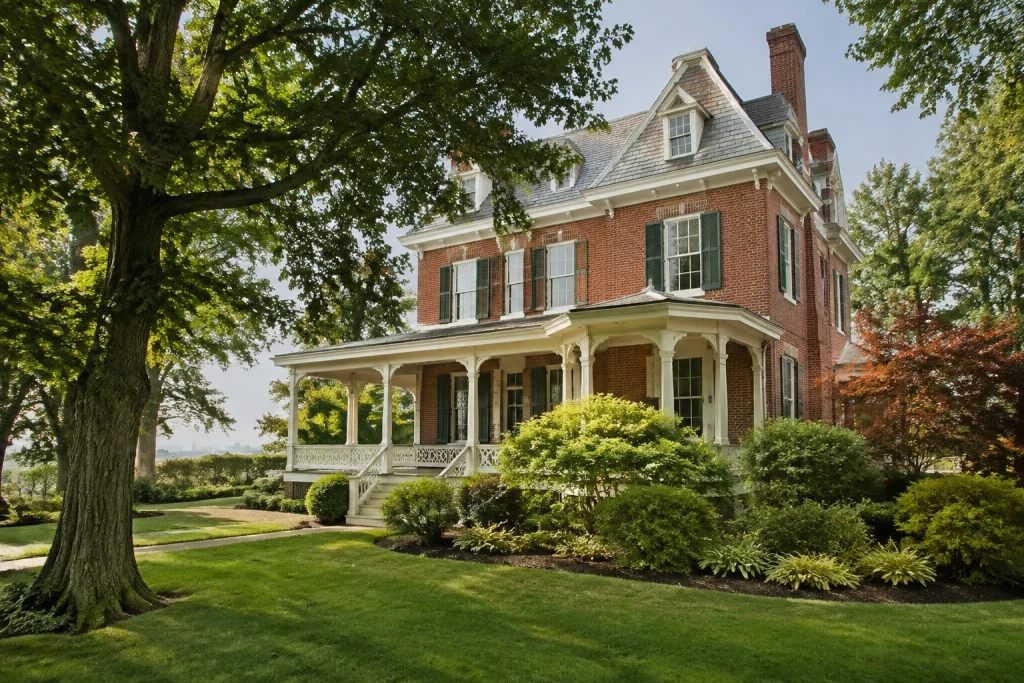
Washington’s African American history and heritage works especially well as a multi-day experience. Separating NMAAHC from neighborhood exploration gives you time to absorb the History Galleries, then see how the city’s institutions, streets, memorials, and historic homes connect. It is a more rewarding pace than trying to force every landmark into one ambitious afternoon.
| Day | Focus | Suggested approach |
|---|---|---|
| Day 1 | NMAAHC | Center the day on your timed pass, History Galleries, security screening, and unhurried museum time. |
| Day 2 | National Mall and U Street | Pair National Mall landmarks with U Street and Black Broadway, or use a private route that includes Howard University. |
| Day 3 | Historic homes and deeper study | Add Frederick Douglass National Historic Site, the Mary McLeod Bethune Council House, or a themed heritage-trail route. |
For a closer look at the Anacostia landmark, a Frederick Douglass National Historic Site guide can help you plan that stop as its own visit. Travelers building a wider city break can also borrow the pacing of a 3 Days in Washington DC itinerary. Keep your history route flexible enough to follow a neighborhood trail without treating every marker as a rushed photo stop.
Handle timing, groups, and access with care
The central planning challenge is balancing fixed museum entry with flexible outdoor exploration. Treat your NMAAHC timed pass as the day’s immovable appointment. Let the heritage trail, memorials, and neighborhood walks fill the remaining time. This approach makes capacity-related waits less disruptive and gives you a better chance of experiencing one area with attention rather than racing between far-flung stops.
- Reserve NMAAHC first, then plan the rest of the day around the pass time.
- Allow for security screening and do not arrive before your scheduled entry time.
- Choose a weekday or an entry outside the Friday-to-Sunday noon-to-4 p.m. peak when possible.
- Wear comfortable walking shoes for the roughly one mile covered in the History Galleries.
- Check heritage-trail access labels so private or street-view-only sites do not disrupt your expectations.
- Use a vehicle or driver for the more car-oriented heritage trails, especially trails 9 through 12.
Groups of 10 or more can use NMAAHC’s free group timed-entry reservation process, and large parties should divide into groups of 10. The museum notes that the building can be crowded and has tight spaces. Visitors needing ASL, protactile ASL, or sighted-guide and verbal-description services should coordinate those arrangements with the museum in advance.
Have a question about this guide?
Ask for tour ideas, hotel suggestions, or a simple trip plan that combines both.
Trip Helper
Choose a tour that leaves room for deeper discovery
For a first visit, start with NMAAHC and one focused neighborhood or memorial route. Choose the self-guided heritage trail if you enjoy setting your own pace and reading place-based stories. Choose a private tour if private transport and a guide-led overview are the priority. For a longer stay, spread the experience over several days and add sites connected with Frederick Douglass, Mary McLeod Bethune, U Street, or Howard University.
The most memorable Washington DC African American history tour is one with enough time to listen, walk, and make connections across the city. Reserve the museum pass early, select a route that matches your transport plan, and resist the urge to turn a rich history into a sprint. Washington rewards travelers who give each chapter of the story room to unfold.

African American History Tour with Museum of African American History Ticket
KB Tours is a one of a kind African American Heritage tour operator in Washington DC that takes visitors to explore the historic African American neig...
1 Hour Virtual African American Heritage Tour of Washington DC
Virtual Online ToursIf you’ve been thinking of an educational recreation, Zohery Tours presents Virtual Online t...

Washington, D.C. 4 in 1 Master Tour
During this time, we feel your pain and share your grief because we’re all on the same inside. If you’ve been th...

Echoes of a Dream.Walking the March at Night
Walk the Dream Where It Still EchoesAs the sun sets and the daytime crowds begin to disappear, Washington, D.C. be...
Frequently asked questions
Do I need a timed-entry pass for NMAAHC?
Yes. Admission is free, but every visitor needs a timed-entry pass. Advance passes are released on a rolling 30-day basis, and same-day passes are limited, so reserve ahead when possible.
How long should I allow for the National Museum of African American History and Culture?
Allow at least two hours for the History Galleries and expect roughly one mile of walking. Give yourself extra time on Friday through Sunday, especially from noon to 4 p.m., when gallery lines can be longer.
Can I create a self-guided African American history tour in Washington DC?
Yes. The African American Heritage Trail provides narratives, maps, nearby Metro stops, and 100 historic sites arranged across 15 neighborhood trails. Pick one neighborhood or theme rather than trying to cover the entire guide in one day.
Are all African American Heritage Trail sites open to the public?
No. The guide includes a mix of publicly visitable places, private buildings visible from the street, locations without their original structures, sites awaiting restoration, and car-oriented stops. Check the access label for each stop before you go.
What does a private African American history tour in DC include?
One listed private option is advertised as a four-hour experience with a flexible start, private vehicle service, U Street and Black Broadway, the Martin Luther King, Jr. Memorial, the African American Civil War Memorial, the Lincoln Memorial, and a Howard University walk. Review the current itinerary and inclusions before booking.
Are group and accessibility arrangements available at NMAAHC?
Yes. NMAAHC offers free group timed-entry reservations for groups of 10 or more, and large parties should divide into groups of 10. Arrange ASL, protactile ASL, or sighted-guide and verbal-description services in advance.
African American History Tour with Museum of African American History Ticket
KB Tours is a one of a kind African American Heritage tour operator in Washington DC that takes visitors to explore the historic African American neig...
Private African American History Tour with Reserved Museum Entry
Go back in time to some of the most iconic moments from the civil rights movement with this fascinating African Amer...

The History of Black Georgetown
Fall 2026 schedule: Tour is held the 2nd and 4th Saturdays at 2pm.Someone visiting Georgetown today may see it as...

Harlem Renaissance in DC Walking Tour
Summer 2026 Schedule: This tour is held the 2nd and 4th Saturdays of the month at 5pm.This amazing walking tour wi...
Experiences to explore
 Explore experience ↗
National Archives + American History Museum Exclusive Guided Tour
◷ 5 hr 30 min
This 5.5 hour exclusive guided combo tour welcomes guests to skip-the-line and experience the two “must see” museums in Washington DC.
From $225.00 USD
View dates Explore experience ↗
Civil War African American Heritage Tour in Washington DC
◷ 4 hr
Discover the deep, vibrant legacy of African American culture and history in Washington, DC on a private tour. Experience the powerful
See dates for Current pricing
View dates Explore experience ↗
1 Hour Virtual African American Heritage Tour of Washington DC
◷ 1 hr
Virtual Online Tours If you’ve been thinking of an educational recreation, Zohery Tours presents Virtual Online tours of Washington DC.
From $39.00 USD
View dates