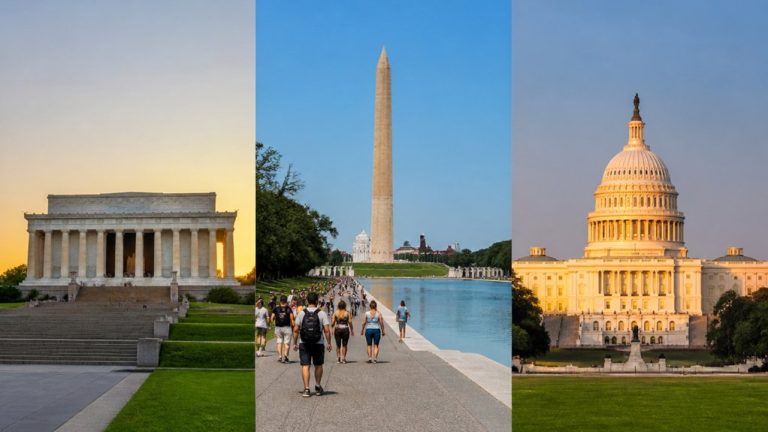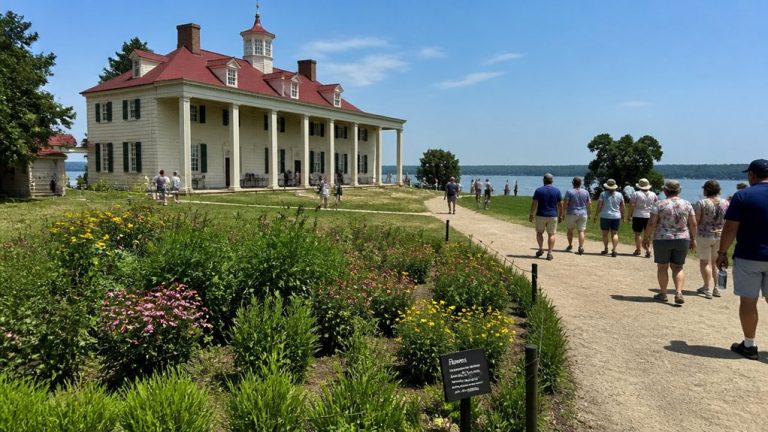
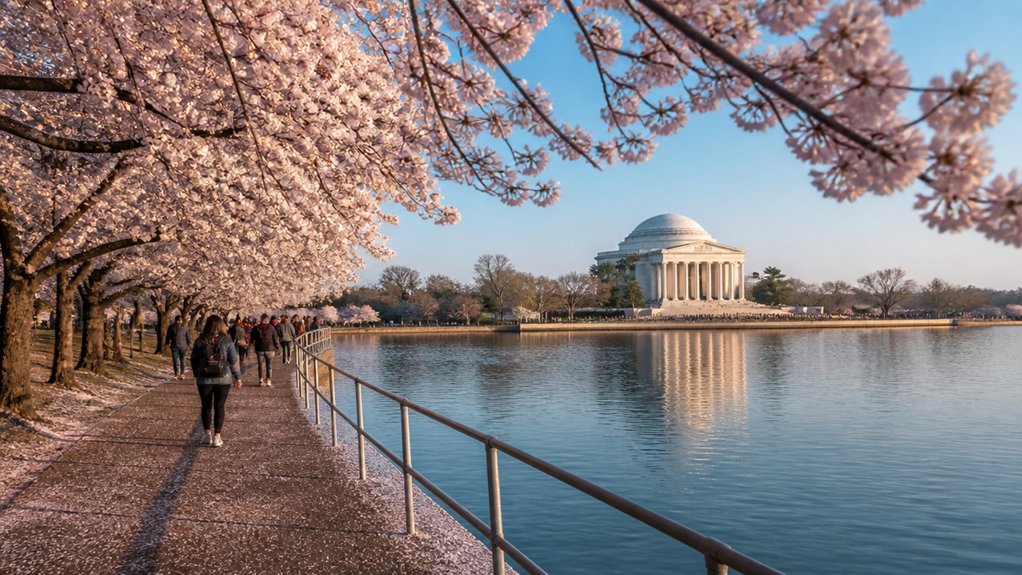
Around 70% of the Tidal Basin’s Yoshino cherry trees need to open before DC officially hits peak bloom, and that sweet spot can shift fast with one warm spell or a hard rain. You’ll want a plan before you go. Sunrise brings pale pink light, fewer crowds, and the soft slap of pedal boats on the water. But the best blossom moments in Washington don’t all happen at the Tidal Basin, and that’s where your trip gets interesting.
Key Takeaways
- Peak bloom usually falls in late March to early April, when about 70% of Tidal Basin Yoshino trees are open.
- Check National Park Service forecasts within 10 days, since warm spells, wind, and rain can quickly shift or shorten bloom.
- For iconic views, visit the Tidal Basin, Jefferson Memorial, and MLK Jr. Memorial, ideally at sunrise on weekday mornings.
- For quieter or later blooms, try Hains Point, East Potomac Park, the U.S. National Arboretum, or Kenilworth Aquatic Gardens.
- Take Metro to Smithsonian and walk, avoid weekend festival peaks, and consider Kwanzan cherries about two weeks after Yoshino peak.
When to See DC Cherry Blossoms
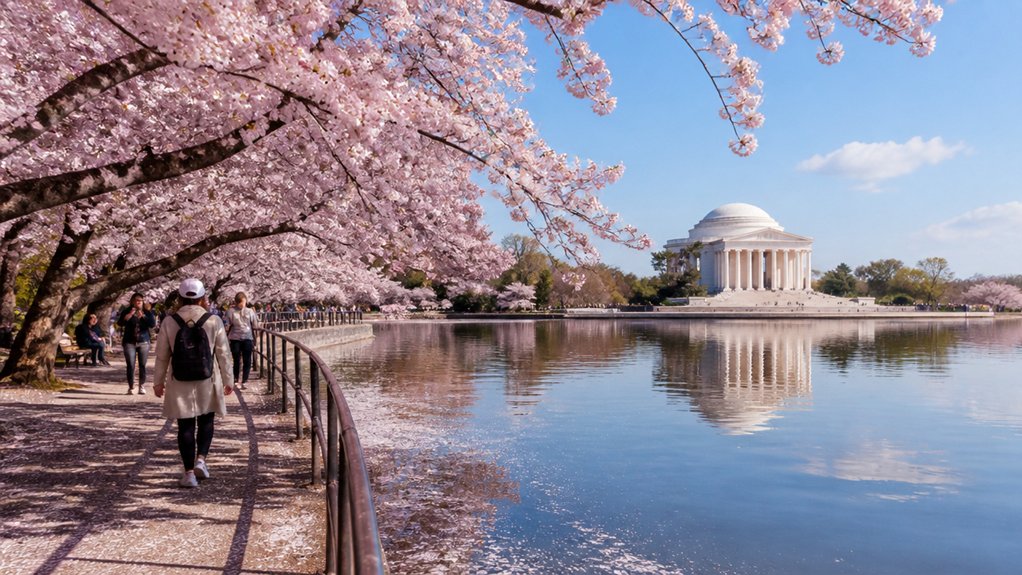
If you’re trying to time your trip just right, know that DC’s most famous cherry blossom moment usually lands in late March or early April, when about 70% of the Yoshino trees around the Tidal Basin have opened and the city suddenly looks washed in pale pink and white.
You’ll get your best odds during the National Cherry Blossom Festival, but the National Park Service usually posts bloom predictions only about 10 days ahead. Because timing is weather-dependent, warm spells can speed peak bloom, while wind and rain can steal petals fast. If your schedule’s flexible, choose weekday mornings for quieter paths and softer light. Miss the Yoshino trees and you can still catch Kwanzan about two weeks later. Spring is one of the most popular times to visit the city, and a Washington DC Spring Travel Guide can help you plan around the bloom window.
What Peak Bloom Means in DC
Usually, when people in DC say “peak bloom,” they mean one very specific moment: the single day when about 70% of the Yoshino cherry trees around the Tidal Basin have opened.
- You’re seeing the 70% Yoshino standard, not the whole flowering window.
- The National Park Service watches buds closely, but forecast unreliability jumps beyond about 10 days.
- Peak bloom usually lands in late March–early April, though weather sensitivity can shift it fast.
- Miss that day, and you can still catch petals before or after, plus the Kwanzan delay arrives about two weeks later.
Think of peak bloom as a snapshot. A calm sunrise can look frothy and bright around the Tidal Basin. Then wind or rain can sweep blossoms away by lunch some days. Many visitors head to the Tidal Basin because it is the best-known place in Washington, DC to experience the iconic cherry blossom display.
Best DC Cherry Blossom Spots
You can start with the Tidal Basin if you want the classic postcard view, where pale Yoshino blossoms frame the Jefferson Memorial and shimmer in the water along an easy loop. The memorial sits on the Tidal Basin among the cherry trees and is often described as peak bloom viewing at its best. If you’d rather skip the thickest crowds, you can wander Stanton Park, LeDroit Park, or Old Town Alexandria and catch softer neighborhood scenes that feel made for quiet photos. DC gives you both the big cinematic moment and the calm side-street surprise, which is a pretty great problem to have.
Iconic Blossom Views
While DC has cherry trees scattered all over the city, the Tidal Basin is the classic first stop, with nearly 4,000 trees, mostly Yoshinos, circling the water in a soft pink ring.
See the city after sunset
The monuments feel different when the lights come on.
A night tour can make the memorials feel quieter, cooler, and more dramatic than a midday walk across the Mall.
- Time your visit for peak bloom in late March–early April, when Yoshino cherry blossoms glow around the Tidal Basin.
- Stand by the Jefferson Memorial for postcard photography/views and mirrored petals.
- Walk to the MLK Jr. Memorial for marble, water, and blossoms in one clean frame.
- Head to East Potomac Park/Kwanzan, then the National Arboretum, if you want deeper pinks and later color.
The nearby National Mall is easy to pair with a first cherry blossom visit if you want to keep exploring afterward. You’ll get the headline scenes first, and you can save quiet neighborhood spots for another stroll. Bring comfy shoes and patience. Cameras love calm mornings here before tour buses arrive.
Quiet Neighborhood Spots
Slip away from the Tidal Basin, and DC’s cherry blossom season gets quieter, more local, and in some ways even prettier. At LeDroit Park Arch, you’ll find residential cherry trees glowing against Victorian facades, especially in soft early light. Stanton Park gives you a Capitol Hill loop of blossoms, benches, and playground sounds, all less crowded than the headline spots.
For a wider escape, head to Old Town Alexandria and Carlyle, where fluffy blooms line quaint sidewalks and calm side streets. Tenleytown offers peaceful blocks, mature trees, and handsome old homes that make wandering feel easy. If you want water views too, Hains Point and East Potomac Park spread out nearly 500 Kwanzan and other cherries along broad paths. You can also pair a blossom walk with a detour to Navy Yard for a local waterfront neighborhood experience in Washington DC. These quiet neighborhood spots let you breathe, stroll, and hear birds instead of tour groups.
Quiet Cherry Blossom Spots Beyond the Tidal Basin
If you want blossoms without the shoulder-to-shoulder shuffle, you can head to Hains Point, where a long waterfront loop, picnic spots, and later-blooming Kwanzan trees give you more room to breathe. You can also wander neighborhood streets around Stanton Park, LeDroit Park, or Carlyle in Old Town Alexandria, where pink canopies frame rowhouses and quiet corners make photos feel almost staged. For a calmer garden stop, you can try the National Arboretum, Kenilworth Park & Aquatic Gardens, or Dumbarton Oaks, where the paths stay gentler and the soundtrack is more birds than crowds. The National Arboretum also offers expansive grounds and a quieter setting for seeing spring blooms away from the busiest cherry blossom hotspots.
Hains Point Escapes
Head down to Hains Point when the Tidal Basin starts to feel packed, and you’ll find a calmer cherry blossom scene with its own timing and color. In East Potomac Park, nearly 500 Kwanzan cherry trees line the Hains Point loop with deeper pink cherry blossoms that peak about two weeks later.
- Expect late-blooming cherries and less crowded viewing, especially on weekdays.
- Walk or bike for lake and Potomac views, boats, and a distant Washington Monument.
- Claim one of the picnic areas if you want lunch under the petals.
- Use the easy parking and access by car or bike, then linger near the golf course.
You get space, breeze, and blossoms without the shoulder bump shuffle. It’s a smart way to stretch blossom season. If you’re planning a picnic-style detour, Anacostia Park also offers picnic spots available for reservation.
Neighborhood Blossom Walks
Beyond the basin, DC’s cherry blossom season settles into neighborhood streets where the pace slows and the views get more personal. You can wander LeDroit Park for Victorian facades and soft petals just north of Howard University. At Stanton Park, you’ll find easy neighborhood walks around the green, plus a playground if your crew needs a swing break.
For less-crowded blossom viewing, head to Tenleytown and follow quiet blocks near the Metro. Cross the river to Old Town Alexandria, where fluffy pink Kwanzan and pale Yoshino trees brighten residential streets. If you still want water views, loop Hains Point in East Potomac Park. The path feels roomy, the monuments gleam in the distance, and the picnic tables practically suggest lunch. It’s blossom season with elbow room, which feels almost suspiciously civilized. If you’re planning a full spring day, pairing these walks with a stop at Eastern Market adds a local DC counterpoint of food, neighborhood character, and browsing between bloom sightings.
Garden Alternatives Nearby
For a calmer blossom hunt, trade the Tidal Basin swirl for places where you can actually hear birds and your own footsteps.
- U.S. National Arboretum gives you 446 acres, dozens of varieties, and later blooms like Fugenzo and Shirofugen into mid-April.
- Hains Point and East Potomac Park loop nearly 500 Kwanzan cherries, with deep-pink color after Yoshino season fades.
- Kenilworth Park & Aquatic Gardens rewards weekday visits with ponds, cherry-lined paths, and room to breathe. For an even quieter feel, Kenilworth Park offers a serene escape with aquatic gardens and peaceful walking paths.
- Stanton Park, Capitol Hill residential streets, Old Town Alexandria, and LeDroit Park feel made for quiet photos and lazy picnics.
You’ll dodge bigger crowds, find easier parking or transit, and maybe claim a bench for yourself, which feels like a small spring miracle at last.
How to Get to DC Cherry Blossoms
Getting there is half the strategy during cherry blossom season, and the easiest move is usually the Metro. Ride to Smithsonian Station on the Blue, Orange, or Silver lines, then walk about 20 to 25 minutes to the Tidal Basin Welcome Area or ANA Stage. That route puts you close to the Jefferson Memorial and the main loop.
If you need the last mile, check WMATA Trip Planner or grab Capital Bikeshare. Washington DC is one of the easiest cities to explore without a car, and getting around without a car is often the smartest option during peak bloom. Driving can work, but reserve parking with spothero near the National Mall and expect a walk during peak bloom. Rideshares often drop near Independence Avenue SW and West Basin Drive SW. If you can, arrive before sunrise. You’ll skip the longest pedal boats waits. Try East Potomac Park or U.S. National Arboretum.
Best Times to Avoid Cherry Blossom Crowds
While the Tidal Basin can feel packed at the height of bloom, you can still find quiet pockets if you time it right.
- Choose weekday mornings and early sunrise visits. Arrive around 6:30 to 7:00 AM for softer light, calmer paths, and fewer selfie sticks.
- Avoid weekends and avoid festival days. Crowds swell fast on headline dates, so lines for snacks and restrooms eat your time.
- Visit near peak bloom, but aim for the first few days after peak. You’ll still see full petals and often get easier photos.
- Try Tidal Basin alternatives like East Potomac Park and the U.S. National Arboretum. You can also take a break at Theodore Roosevelt Island, a scenic urban escape with quieter walking trails and Potomac views. If you go later, use less popular entrances or weekday evenings for quieter reflections and gentler foot traffic along the water by then.
Best Cherry Blossom Festival Events
If you want more than a pretty walk under the trees, the National Cherry Blossom Festival turns DC into a month-long spring celebration from March 20 to April 12, 2026. Check the festival schedule early so you can grab tickets for the Opening Ceremony, Pink Tie Party, and the Parade.
For breezy fun, head to the Blossom Kite Festival on the Mall, where kites snap and colors skate across the sky. Petalpalooza brings concerts and waterfront energy at the Wharf, part of DC’s lively waterfront scene. Sakura Matsuri adds Japanese food, crafts, and drumbeats. At the Tidal Basin Welcome Area, catch cultural performances and practical updates. Your best time to visit is usually a weekday morning, when lines shrink and you can pair headline events with quieter blossom spots nearby.
Use the waterfront well
The river can turn an ordinary afternoon into a real break.
Georgetown, The Wharf, Navy Yard, and the Potomac all give DC a softer edge when you need a change of pace.
Best Hotels Near DC Cherry Blossoms

Once you’ve picked your festival must-dos, your hotel can shape the whole cherry blossom trip. For Washington DC Cherry stays, book where you’ll wake up close to the Tidal Basin and evening lights.
- Salamander DC gives you direct views plus afternoon tea with bubbles and polished cherry blossom packages.
- At The Wharf, Canopy by Hilton puts you by Bloomaroo and the waterfront buzz.
- Hyatt House Washington DC stays near the National Mall and keeps your walk easy.
- Look for front-row viewing rooms at Tidal Basin–adjacent hotels like Watergate for spring extras like Potomac River boat rides.
For travelers prioritizing easy petal access, National Mall hotels can also put you steps from many of DC’s most iconic spring sights. You’ll also find quieter options near Hains Point or the National Arboretum, with smart transit tips and calmer nights after petal chasing and camera duty all day long.
Boat Tours, Pedal Boats, and Bloom Views
Water-level views change the whole cherry blossom experience, and the Tidal Basin pedal boats put you right under the pale pink Yoshino canopy with the Jefferson Memorial glowing ahead. If you want the closest look at a Yoshino cherry, this is it, but lines and wait times can stretch past three hours on weekends during peak bloom. Go early on a weekday, or book in advance for other water options. Potomac cruises and sunset cruises leave from Georgetown and The Wharf with narrated monument views, plus layers-worthy breezes after dark. For extra space, private riverboat rentals can deliver skyline views and photos, though nighttime reflections make blossom shots trickier. Tidal Basin petal boats (pedal boats) are seasonal, capacity-limited, and oddly calming once you’re afloat. For another waterfront perspective, the nearby Capitol Riverfront offers scenic river views and access to DC’s evolving waterfront neighborhood.
Why DC Has Cherry Blossoms
Those soft pink canopies aren’t just pretty scenery. In Washington DC, they trace back to a gift from Japan in 1912, when Tokyo Mayor Yukio Ozaki sent 3,020 trees to honor friendship between Japan and the United States. Around the Tidal Basin, you’re mostly seeing Yoshino cherries, the pale blooms that define peak bloom each spring.
DC’s blush of Yoshino blossoms began as a 1912 Japanese gift, turning the Tidal Basin into a springtime symbol of friendship.
- Helen Herron Taft helped plant the first tree in 1912.
- An earlier 1910 shipment failed from pests and disease.
- The replacement trees turned late March into Washington DC’s signature season.
- Today, the National Cherry Blossom Festival lets you walk, photograph, and join a living thank-you note.
You’re not just chasing petals. You’re stepping into history with excellent lighting and a few very lucky breezes. For a different perspective, the city’s monuments by night make a memorable backdrop after sunset.
Frequently Asked Questions
Are Dogs Allowed Near the Cherry Blossoms?
Yes, you’re allowed near the cherry blossoms if you follow dog etiquette, leash laws, park policies, cleanup requirements, behavior training, use pet friendly areas, and watch crowd interaction, photo hazards, hot weather safety, water access.
Where Can I Find Restrooms During Cherry Blossom Visits?
Luckily, you’ll find Public restrooms at Park visitor centers, Metro station facilities, Museum restroom options, plus Portable restroom locations; check Restaurant restroom access, Hotel public restrooms, Restroom app guides, Accessible restroom locations, and Restroom hours.
Is the Tidal Basin Wheelchair Accessible During Bloom Season?
Yes—you’ll find wheelchair access via accessible paths, ramp locations, viewing platforms, accessible restrooms, and transit accessibility; check wheelchair rentals, crowd navigation, tactile signage, and ADA compliance updates, since bloom season crowds can affect your route.
Can I Have a Picnic Under Cherry Blossom Trees?
Yes—you can picnic beneath blossoms, a pink ceiling overhead; you’ll follow picnic etiquette, food restrictions, group gatherings limits, blanket placement guidance, trash disposal, alcohol rules, shade availability, photography tips, park permits, and weather planning beforehand.
Do Cherry Blossoms Trigger Seasonal Allergies in DC?
Usually, you won’t get allergies from cherry blossoms in DC; pollen counts matter more. Track peak timing, cross reactivity, allergen testing, medication options, nasal irrigation, indoor alternatives, mask effectiveness, and pediatric allergies for allergy symptoms.
Conclusion
You’ve got options when DC turns pink. Chase peak bloom at sunrise by the Tidal Basin, or slip away to Hains Point and the Arboretum when you want room to breathe. Check the Park Service forecast, wear walking shoes, and keep an eye on the weather. These blossoms arrive like a whispered secret, then vanish fast. If you time it right, you’ll hear paddles on the water and camera shutters clicking through the morning light.
Plan around what is happening now
A seasonal tour can add freshness to the standard DC route.
The monuments and museums are always there, but seasonal events give the trip a more specific reason to remember it.
Seasonal DC
Choose an experience that fits this time of year.
Look for routes, events, and outdoor plans that match the season of your visit.