
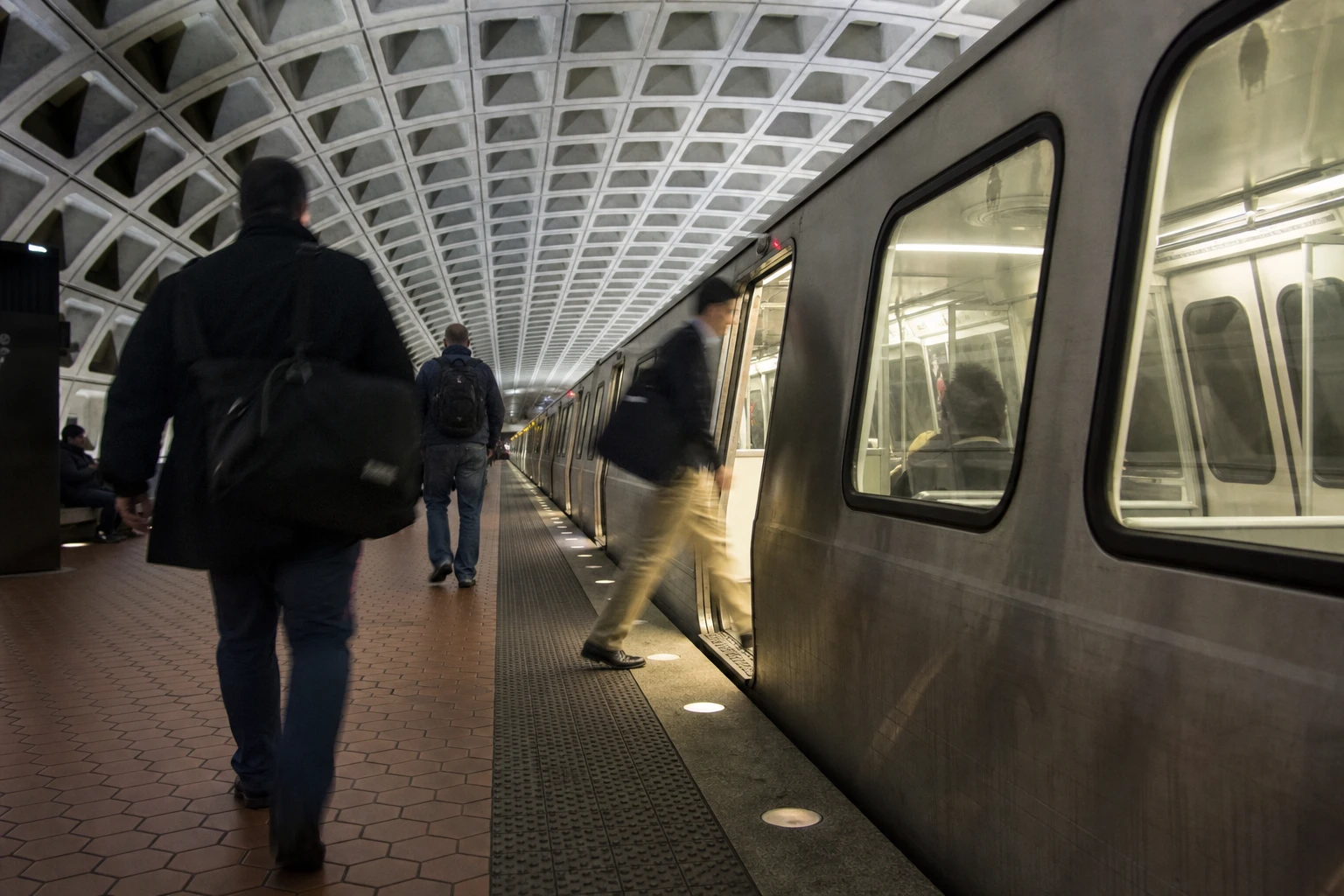
Washington DC Metro is easiest when you treat each ride as a live, line-by-line journey rather than a fixed timetable. Plan before reaching the station, leave a little room for a late connection, and make accessibility checks part of the routine if stairs or escalators are not an option. That small bit of preparation leaves more time for museums, memorials, neighborhoods, and the pleasure of moving through the city with a clear plan.
The essentials to know before your first ride
- Check current, line-specific service details and live trip information just before leaving.
- Changing between different Metrorail lines does not add a separately charged rail transfer.
- Use published Red Line hours and headways as planning guidance, then allow more time for late-night waits and connections.
- Check elevator status before travel if you need a step-free route.
- Driving to a station can work well, but review current parking availability and special-event rules first.
Build your trip before you enter the station
Start with four decisions: where you are leaving from, where you need to arrive, when you need to be there, and whether you need step-free access. Check the relevant line's current service information and live trip details immediately before departure. A route that looks simple in the morning can need more time later in the day, particularly when a transfer or disruption is involved.

Washington DC Monuments Extended Guided Open-Air Cruiser Tour
Explore Washington, D.C. on an extended Washington DC Guided Tour by Open-Air Cruiser, designed for travelers who want to see more of the nation’s c...
- Choose your origin, destination, and desired arrival time.
- Look for current service notices affecting the lines in your plan.
- Allow time for each transfer rather than treating it as an instant connection.
- If you need elevators, check their operating status before you leave.
- Keep a time buffer for an unfamiliar station, an evening wait, or a changed route.
This approach is especially useful on a short visit, when one delayed connection can reshape a museum reservation or dinner plan. For a wider transport strategy, pair this primer with practical advice on how to get around Washington DC without a car. The same principle applies throughout: make the current trip plan your guide, not an old screenshot or a remembered schedule.
Understand fares and Metrorail transfers
Check current WMATA fare and payment guidance before traveling, especially if you are comparing individual rides with passes or planning a trip that involves more than one service. Transit prices and payment options are details worth confirming close to your travel date. Avoid building a day around fare information quoted in an older travel article.
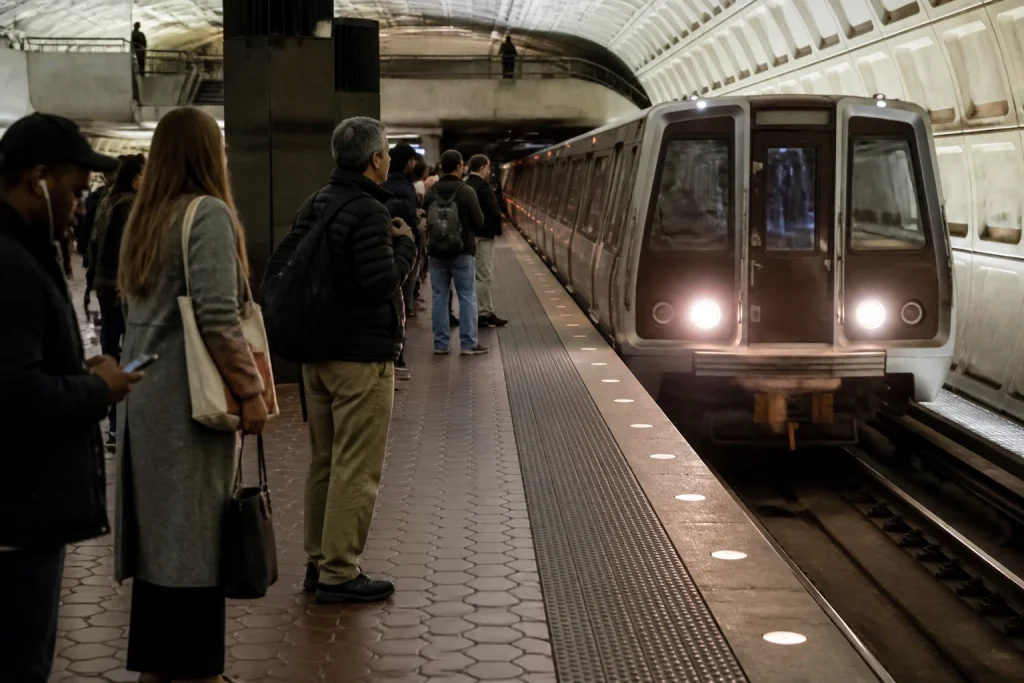
The useful rule for route planning is simple: transferring between different Metrorail lines does not carry a separately charged rail transfer. That means a rail transfer is chiefly a question of time and convenience. If your journey combines rail with another transit service, check the current fare guidance because eligible transfers can have their own discount calculation.
Use good platform habits at the station
Have your route and fare arrangement ready before the train arrives. At the platform, confirm that the train fits the next step in your journey, then let passengers exit before boarding. Stand at least two feet back from the platform edge while waiting, and step carefully over the gap between train and platform. These small habits make an unfamiliar station feel much less rushed.
- Wait behind the platform edge until the train has stopped.
- Let exiting passengers clear the doorway before you board.
- Watch the platform gap as you step on and off the train.
- Keep your next transfer or destination in mind before the doors open.
Plan around Red Line hours and late-night waits
WMATA's listed Red Line schedule is a useful timing baseline, not a promise for every rail line, holiday, event, or maintenance period. The Red Line is listed as operating from 5:00 a.m. to midnight Monday through Thursday, 5:00 a.m. to 2:00 a.m. Friday, 6:00 a.m. to 2:00 a.m. Saturday, and 6:00 a.m. to midnight Sunday. Check the relevant line and live trip details before setting out.
| Red Line period | Listed service level | Practical planning approach |
|---|---|---|
| Weekday rush periods | Every 4-5 minutes | Connections are generally easier, but still leave time to reach the platform. |
| Most daytime periods | Every 6 minutes | Build in a modest buffer for transfers and an unfamiliar station. |
| Late night, after 9:30 p.m. | Every 10 minutes | Allow extra time for a missed train or a connection. |
| Monday-Thursday | 5:00 a.m.-midnight | Confirm the live schedule for your particular trip. |
| Friday | 5:00 a.m.-2:00 a.m. | Late journeys need a little more patience at transfers. |
| Saturday | 6:00 a.m.-2:00 a.m. | Check current service before an evening out. |
| Sunday | 6:00 a.m.-midnight | Plan onward travel if your plans run close to closing time. |
For trips during WMATA's stated July 6 through September 6 Red Line work period, plan carefully around the section between North Bethesda and Friendship Heights. The summer work notice calls for trains not to operate there, with free shuttles replacing them. A live alert should be your final check because construction details and service arrangements can change.
A packed sightseeing day works better when the transit buffer is built in at the beginning. If you are shaping a one-day Washington DC itinerary, allow realistic waiting and transfer time before committing to timed entries, evening reservations, or a tightly sequenced list of sights.
Use Metro's accessible routes with confidence
All Metrorail stations and railcars are accessible. Stations provide step-free routes by elevator from street to mezzanine and from mezzanine to platform. Useful features include extra-wide accessible faregates, Braille and raised-letter information, gap reducers, priority seating, and accessible emergency intercoms. The key practical step is to check elevator status before leaving, since an outage can change the usable route through a station.
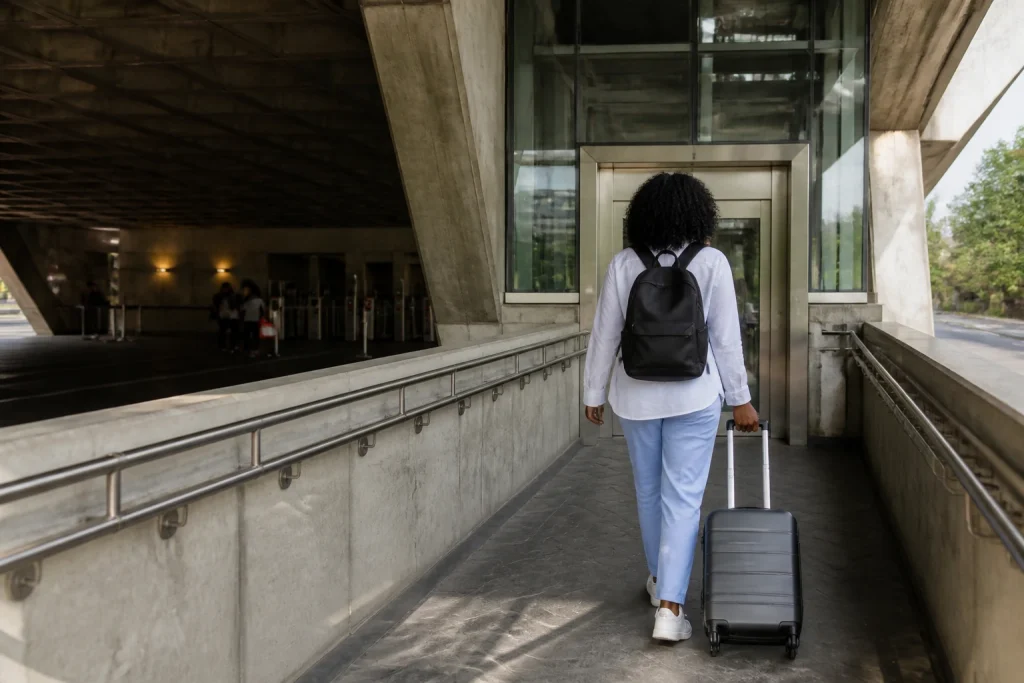
- Check elevator status before travel if you cannot use stairs or escalators.
- Use the accessible faregates when extra width is needed.
- Allow additional time at a station where the elevator route is essential.
- Review ELstat notifications for known elevator disruptions before your journey.
If an elevator outage prevents access, riders can arrange a free shuttle service. That makes a pre-trip elevator check more than a courtesy: it gives you time to adjust before you are standing at a station entrance with an unusable route. Keep the accessible path in mind when choosing where to begin or end the day.
Still comparing Washington DC Metro And Metrorail Travel Planning?
Ask for tour ideas, hotel suggestions, or a simple trip plan that combines both.
Trip Helper
Follow the rules that keep stations orderly
Metro's basic rider rules are straightforward and useful on busy platforms. Eating, drinking, smoking, and littering are prohibited in stations and vehicles. If you see an unattended package, report it to Metro staff or Transit Police rather than investigating it yourself. A calm, attentive ride helps the whole platform move more smoothly.
- Let riders exit before you board.
- Stand at least two feet back from the platform edge.
- Step carefully over the platform gap.
- Do not eat, drink, smoke, or litter in stations or railcars.
- Report unattended packages to Metro staff or Transit Police.
Decide if park-and-ride makes sense for your day
For visitors approaching from outside the central city, driving to a rail station can be a practical alternative to bringing a car all the way into Washington. WMATA operates parking facilities at 51 rail stations. Metro-operated parking is generally free on weekends and federal holidays, except during special events. On paid days, use the same SmarTrip card for rail within two hours to receive the lowest available parking rate, then check your chosen station's availability and event rules before you go.
A low-stress Metro routine for visitors
- Check live service and the relevant line's trip details before leaving your hotel or attraction.
- Set a target arrival time that includes a buffer for walking, waiting, and transferring.
- Confirm current fare and payment arrangements before entering the station.
- At the platform, stand back, let passengers exit, and board only after confirming the train matches your plan.
- At every transfer, check the next leg rather than assuming the original route is unchanged.
- Before a late ride, look again at service timing and leave room for a 10-minute Red Line wait after 9:30 p.m.
This routine suits first-time riders because it focuses on the decisions that matter: live service, transfer time, access, and platform awareness. If the monuments are central to your plans, combine these transit habits with a National Mall guide for first timers and leave a little open time between major stops. A flexible schedule feels far better than racing a closing-time connection.
Make Metro work for your Washington DC itinerary
Metro rewards a few simple routines: check live details, understand that rail-to-rail transfers are not separately charged, build in time late at night, and check elevators when step-free travel matters. The main limitation is that service conditions can change, so a final live check is part of the journey. Do that, and Metrorail becomes a practical tool for a full day of Washington DC exploration.
Frequently asked questions
Do I pay extra when I transfer between Metrorail lines?
No. Changing between different Metrorail lines does not add a separately charged rail transfer. Check current fare guidance if your journey also combines rail with another transit service, because eligible transfers can use a discount calculation.
How late does the Red Line run?
The listed Red Line schedule runs until midnight Monday through Thursday and Sunday, and until 2:00 a.m. Friday and Saturday. Service details can change, so confirm the live schedule for your travel date and route before leaving.
Is the Washington DC Metro accessible?
Yes. All Metrorail stations and railcars are accessible, with step-free elevator routes and features such as accessible faregates, gap reducers, priority seating, and accessible emergency intercoms.
What should I do if a station elevator is out of service?
Check elevator status before traveling and review ELstat notifications for known disruptions. When an elevator outage prevents access, riders can arrange a free shuttle service.
Can I park at a Metro station?
Yes, WMATA operates parking facilities at 51 rail stations. Metro-operated parking is generally free on weekends and federal holidays except during special events, but check your station's current availability and event rules before driving there.
Can I eat or drink on Metrorail?
No. Eating and drinking are prohibited in Metro stations and vehicles, along with smoking and littering.
Washington DC Monuments Extended Guided Open-Air Cruiser Tour
Explore Washington, D.C. on an extended Washington DC Guided Tour by Open-Air Cruiser, designed for travelers who want to see more of the nation’s c...
Experiences to explore
 Explore experience ↗
Washington DC Black Car | Airport Transfers & Chauffeur Service
◷ 3 hr
Experience Washington, D.C. in style with our private black car service — available 24/7 for airport transfers, hourly charters, and sp
See dates for Current pricing
View dates Explore experience ↗
Washington D.C. Reagan Airport Private Chauffeur Service.
◷ 2 hr–3 hr
It's one way private transfer between airport and hotel in downtown, which is the most convenient and safest way for transfer by a vehi
See dates for Current pricing
View dates Explore experience ↗
Limousine Service Tour in Washington DC
◷ 4 hr
Every traveler has a dream destination, no matter where they live. As a result of the covid-19 pandemic, many of us have become homebod
See dates for Current pricing
View dates
One Comment
[…] near a Metro station and skip the rental car for an in-city […]