At Washington National Cathedral, you can stand beneath the soaring nave, catch colored light from 215 stained-glass windows, and then hunt for a tiny Darth Vader high on the west towers. You’ll find this Indiana limestone giant on one of D.C.’s highest points, where bells carry over quiet gardens and wooded paths. Before you plan your route, tickets, or tower climb, it helps to know what’s easy to miss and what’s worth your time first.
Key Takeaways
- Washington National Cathedral is a Neo-Gothic Episcopal landmark and national House of Prayer, hosting presidential funerals, memorials, and interfaith services.
- Located at 3101 Wisconsin Ave NW on a 59-acre hilltop campus, it includes Olmsted Woods, Bishop’s Garden, and sweeping tower views.
- General visiting is free, while guided highlights tours, digital self-guided options, and seasonal tower climbs usually require advance planning or tickets.
- Tower climbs feature close views of bells, stained glass, and carvings, but require advance booking, early arrival, and visitors age 11 or older.
- Highlights include the nave, Space Window with a moon rock, crypt tombs of Woodrow Wilson and Helen Keller, and the Darth Vader grotesque.

Private Washington National Cathedral Tour
Experience Washington National Cathedral through the eyes of a certified Cathedral guide. This private experience combines history, architecture, symb...

Skip the Line Washington Monument Tickets and Self Guided Book
Enjoy complimentary timed entry to the Washington Monument observation deck and breathtaking 360° views of Washingt...

Contrasts of D.C. - A Private Walking Tour
Go beyond the monuments and discover the hidden layers of Washington, D.C. on this private journey through history...

Cleveland Park Walking and Photo Tour, Washington, DC
Explore Cleveland Park, a historic neighborhood in upper NW DC and one of the original American suburbs. In early sp...
What Is the Washington National Cathedral?
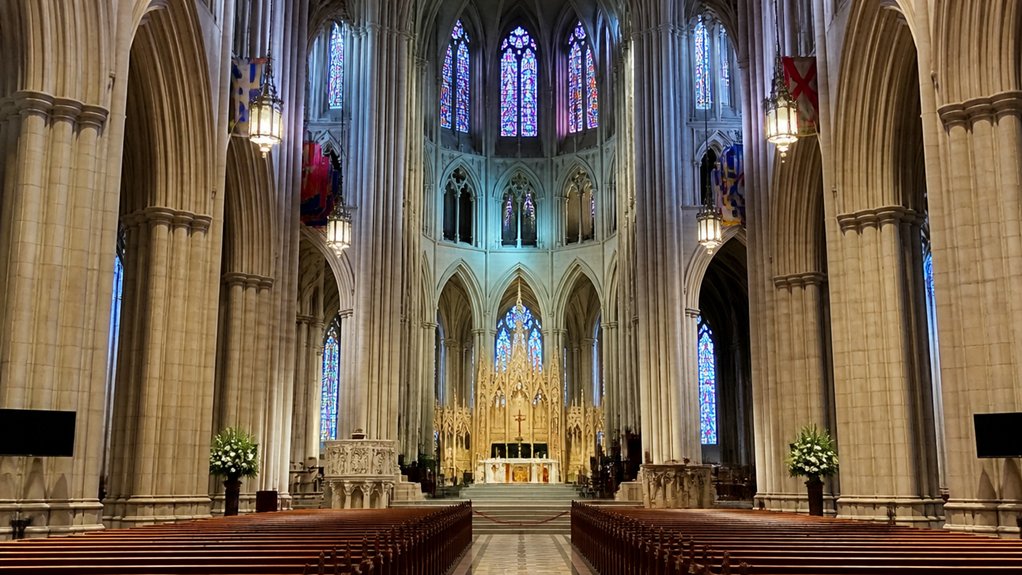
Think of the Washington National Cathedral as America’s grand stone storyteller. You see a neo-Gothic giant built from Indiana limestone, shaped over 83 years into a soaring Episcopal cathedral with a 30-story central tower, flying buttresses, and a long nine-bay nave. It serves as the House of Prayer for the United States, yet it also feels personal, like a place that invites you to look up and linger. Visitors exploring nearby Washington landmarks often also pair their trip with the National Arboretum for a broader look at the city’s monumental landscapes.
Inside, 215 stained-glass windows color the light, including the famous Space Window with a moon rock tucked inside. Outside, 112 gargoyles and grotesques keep watch with stony attitude. The Washington National Cathedral ranks among the world’s largest cathedrals, and its setting on Cathedral Heights adds to the sense that you’re visiting something built to lift your eyes and thoughts.
Where Is the National Cathedral?
You’ll find the Washington National Cathedral on the highest natural point in Washington, D.C., in the Cathedral Heights neighborhood of Upper Northwest.
That hilltop setting gives the Washington National Cathedral a commanding presence before you even step inside. Its Indiana limestone walls rise above Upper Northwest, and the site feels both urban and hushed. You’re not just visiting one church. You’re exploring 59-acre grounds that include Olmsted Woods and the Bishop’s Garden, with paths, stonework, and leafy corners that soften the city around you. Like the Old Post Office Tower, this elevated vantage point helps frame some of the most memorable views in the city. From the tower observation gallery, you can see why this location matters. Wide views stretch across Washington, and the cathedral’s place on the highest natural point becomes obvious. It’s also a designated House of Prayer for all people and a National Register landmark, which adds extra weight.
How to Get to the National Cathedral
You can reach the Washington National Cathedral by car via Wisconsin Avenue NW, and if you drive, you’ll usually find on-site parking in the garage with free parking during Sunday worship. If you’re riding Metro or the bus, you can come from Tenleytown-AU or Cleveland Park and connect by Metrobus, Circulator, or hop-on hop-off service along Wisconsin Avenue. If you’re walking up for a tour or tower climb, give yourself extra time for the steep approach and stairs, and arrive at least 30 minutes early so you’re not racing the bells. If you’re exploring nearby after your visit, the Mount Pleasant neighborhood offers another local DC area to discover.
By Car And Parking
At the top of Cathedral Heights, driving to Washington National Cathedral feels surprisingly simple once you plug 3101 Wisconsin Ave NW into your GPS or search “Washington National Cathedral.” The hill does the announcing for you, and the stone towers come into view like a landmark rising above the city.
If you drive, check parking availability before you go. On Sundays, you can usually use the parking garage for free during worship, though entrances and timing can change. On weekdays, the parking garage and nearby street spaces serve most visitors. If you’re coming for a tower climb or another ticketed tour, arrive early. Spots fill fast, and special events sometimes close lots. The official site posts updates on access, accessibility, and temporary closures. Big Bus Tours also stops here if you’d rather skip the wheel. If you’re building a broader DC itinerary, it pairs well with an Old Town Alexandria day trip from Washington DC.

Private Guided Tour of Washington DC
Discover Washington D.C. like never before with a private guided tour tailored to your interests. Explore iconic lan...

Private Washington DC Sightseeing Tour
Experience Washington, DC on a private 4-hour sightseeing tour in a comfortable, professionally chauffeured vehicle...

Private Multilingual DC City Tour (Spanish, Portuguese, English)
Discover Washington, DC on a private 4-hour city tour with a dedicated driver. You'll visit all the major monuments...
Metro And Bus Options
- Use Metrobus if you want a simple local link. The H2/H3/H4 serve Cathedral Heights, and H1/H2 connect back toward both Metro stops.
- Hop on the DC Circulator from the Woodley Park area if you’re sightseeing and want an easy tourist-friendly transfer.
- Choose Big Bus Tours if you like seeing the city from the top deck before stepping off near the Cathedral.
Capitol Riverfront is another popular DC destination, known as the city’s waterfront neighborhood along the Anacostia River.
Listen for bus brakes, watch the neighborhood hills roll by, and keep a few extra minutes handy during busy service times.
Walking And Tour Access
On foot or by a quick drop-off, the approach to Washington National Cathedral feels like a gentle climb toward the city’s highest ground in Cathedral Heights. You’ll arrive in Upper Northwest, where quiet streets and leafy blocks make the walk feel purposeful, almost ceremonial, before the towers appear.
If you’re driving or using rideshare, head for the Cathedral parking garage and check weekday details online. Big Bus Tours also makes this easy, since you can hop off and explore during sightseeing hours. Once you’re there, join guided walking highlights tours, usually at 10:15 a.m. Monday through Saturday and 1 p.m. Sunday, but always confirm the tour schedule first. Want more? Book tower climbs, gargoyle hunts, or artisanship walks ahead. They’re fun, but they do come with age and mobility rules.
If you’re planning a fuller Upper Northwest day, pair your visit with Rock Creek Park, a nearby Washington, DC landmark known for its scenic trails and leafy escape.
Washington National Cathedral Hours and Tickets
Usually, visiting Washington National Cathedral works best when you plan around both sightseeing hours and the building’s active worship schedule. Your general sightseeing admission covers tours and a self-guided visit. Expect $12 for adults, $8 for ages 5 to 17, and free entry for younger kids.
Plan around worship and sightseeing hours: general admission includes tours and self-guiding, with modest pricing for adults, kids, and little ones free.
- Daily guided walking highlights start at 10:15 a.m. Monday through Saturday and 1 p.m. Sunday, though hours and tour availability can shift.
- Church services and musical performances let you enter free, including Sunday worship and many 5:30 p.m. concerts Monday through Thursday.
- Ticketed specialty tours, like tower climbs, gargoyle hunts, and artisan walks, need advance booking and may include age or mobility limits.
If you’re coming with 20 or more people, reserve ahead. That saves headaches later. If you’re comparing iconic DC stops, a Navy Yard guide can also help you plan another neighborhood-focused outing.
How to Tour Washington National Cathedral
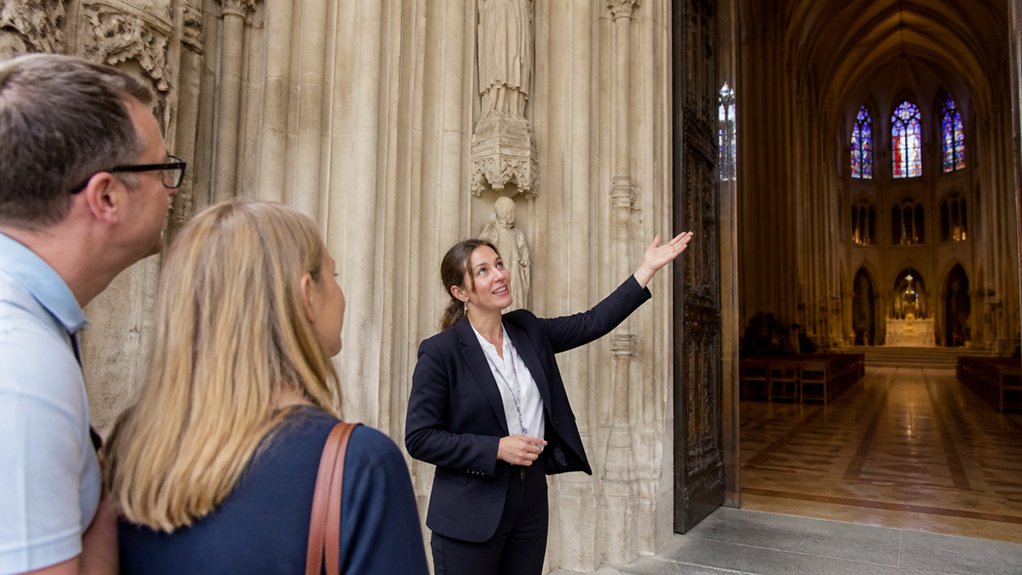
For the best first look, start with the daily guided highlights tour so you can get your bearings inside the vast nave and hear the stories behind the chapels and stained-glass windows. This guided walking highlights tour runs at 10:15 a.m. Monday through Saturday and 1 p.m. Sunday, usually lasting 60 to 90 minutes.
If you like exploring at your own pace, grab a self-guided tour brochure and map at the entrance or open the Digital Guide audio tours. You can track down the Space Window, crypt chapels, and those wonderfully odd gargoyles. Check admission hours and the hourly touring schedule before you go, since worship services can limit access. You can also plan around free-entry times, including Sunday worship services and some evening concerts. Groups of 20 or more should reserve ahead.
For another Washington institution, the Library of Congress visitor guide also emphasizes checking hours and entry details before your visit.
Are Tower Climbs Worth It?
Why bother with the tower climb when the main floor already feels huge? Because tower climbs change your angle on the cathedral and the city. On guided tower climbs, you reach the Bell Tower, study the rose window up close, and step into the 30-story central tower for panoramic vistas that ground-level touring can’t match.
- You hear bells and wind, then spot carvings and stained glass details you’d miss below.
- You face narrow stairs, so the climb feels adventurous, not effortless. If heights or mobility are concerns, take the advisories seriously.
- You need advance booking because spots are limited, schedules shift with Cathedral activities, and visitors must be 11 or older. Under-17s need an adult.
Like Theodore Roosevelt Island’s real forest memorial design, the most memorable visits often come from experiencing a place from the perspective its planners intended.
If you like unusual photos and a little effort with your views, they’re worth it.

Washington DC Pirate Treasure Hunt Cruise
Ahoy there, me hearties! Climb aboard a family-friendly pirate ship cruise in Washington DC and help our crew protec...

VIP Private Tour of Washington DC
Our Washington, D.C. VIP Private Tours are conducted with a luxurious Black Suburban, Black Ford Transit Executive V...

Washington DC Pirate Ship Open Bar Party Cruise on Potomac River
Prepare to embark on our 21+ party cruise aboard the Boomerang Pirate Ship, where even the most landlocked souls wil...
What to See Inside Washington National Cathedral
Once you’ve looked out from the heights, the cathedral’s interior gives you the close-up version of the story. Step into the nave and you’ll notice the vast nine-bay space, the carved wooden choir area, and the Canterbury Pulpit anchoring one of America’s grandest Gothic rooms.
Then start hunting for details. The stained glass windows glow along the side aisles, and the Space Window adds a tiny moon rock to the mix, which feels delightfully unexpected. Like a visit to Hillwood Estate and its gardens, the experience rewards slow looking and attention to craftsmanship. You’ll also spot mosaics, stone carvings, and odd little grotesques peering down if you look up often. If you’ve done the climb, the Tower Observation Gallery gives you the big picture, while the interior supplies the fine print. Pause in a chapel for a quieter moment, then keep wandering. Even the silence here feels carefully designed.
Highlights of the Cathedral Crypt Level
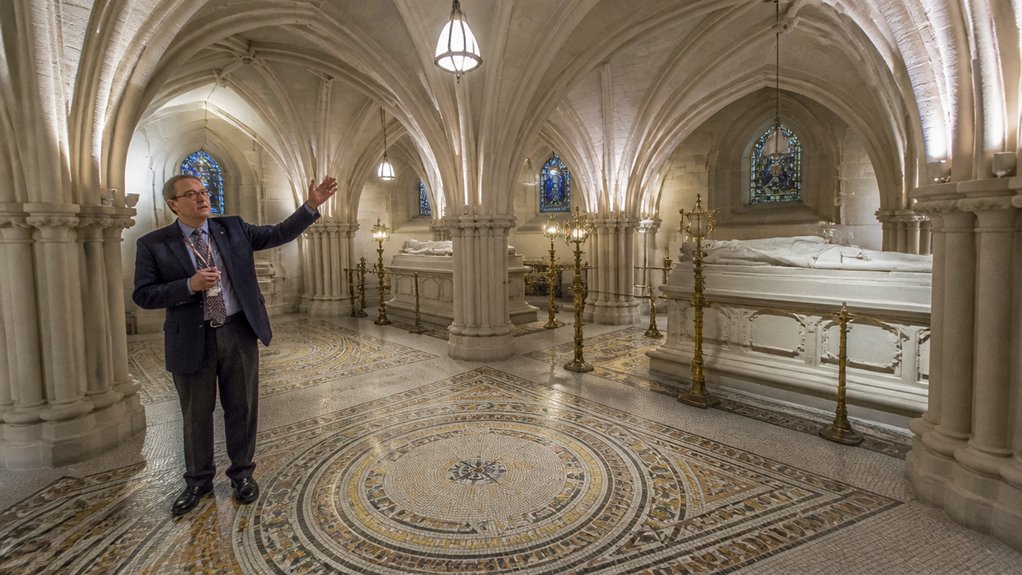
A few steps below the main floor, the Crypt shifts the mood from soaring spectacle to close, stone-lined memory. On the Crypt level, you trade grand height for intimate detail. You can stand near the burials of Woodrow Wilson and Helen Keller, then move through chapels and memorials where mosaics glow and carved stone shows off the cathedral’s neo-Gothic craft.
- Quiet tombs with inscriptions, dates, and guide notes that make each stop feel personal.
- Small chapels and reflection spaces where memorial services and liturgies feel hushed and close.
- Extra context from guided, self-guided, and digital tours, which help you spot details you’d miss.
It’s included with general admission, so you can wander slowly, listen closely, and let the lower level surprise you a little. If you want a similarly reflective stop elsewhere in Washington, DC, Anacostia Park offers waterfront areas, trail access, and quiet places to unwind.
A Brief History of Washington National Cathedral
You can trace the cathedral’s story from 1907, when Theodore Roosevelt laid the foundation stone, to 1990, when its long 83-year build finally wrapped under George H. W. Bush. As you look up at the Indiana limestone walls, flying buttresses, and that 30-story tower, you see how its English Neo-Gothic design aimed to impress and still does. You also feel its national role in the hush of memorial services, the crypt tombs of Woodrow Wilson and Helen Keller, and the broad welcome of a House of Prayer for all people. For first-time visitors planning a stay, choosing one of the best neighborhoods in Washington DC can make it easier to reach landmarks like the cathedral.
Founding And Construction
Because this cathedral rose over nearly the entire 20th century, its origin story feels almost as grand as the building itself. You can trace that beginning to 1907, when Theodore Roosevelt laid the founding stone and kicked off construction that lasted 83 years. As you look up, the English Neo‑Gothic vision starts to make sense.
- You see Indiana limestone glowing pale in the sun.
- You notice the 30‑story central tower anchoring the skyline.
- You feel how the hilltop setting gives the whole site a ceremonial calm.
Like landmarks on an Arlington National Cemetery guide from Washington DC, the cathedral also invites visitors to connect architecture with national memory. As crews and craftspeople kept building through changing decades, the cathedral slowly became part of the nation’s story too. By 1990, under President George H. W. Bush, the long effort finally reached completion. Not bad for a project with medieval patience.
Architectural Legacy
While its long construction story grabs the headlines, the cathedral’s real legacy lives in the details you can spot almost everywhere you look. As you walk the grounds shaped by Frederick Law Olmsted Jr., you see how neo-Gothic architecture turns stone into drama. Indiana limestone glows softly, then sharpens into spires, a 30-story central tower, and sturdy flying buttresses.
Like Theodore Roosevelt Island, the cathedral also offers a memorable blend of designed landscape and quiet escape within Washington, D.C. Look closer and the personality really shows. The stained-glass windows wash the interior with color, while the long nave lifts your eyes forward and up. Outside, gargoyles and grotesques peer from towers and buttresses with equal parts warning and wink. Some are solemn. One is Darth Vader. Together, these carvings, windows, and towering forms give you a building that feels ancient, playful, and surprisingly alive after your visit.
National Role And Significance
Although it feels deeply rooted in the Middle Ages, Washington National Cathedral is very much part of America’s public story. When you visit, you’re stepping into the nation’s House of Prayer for the Nation, where stone vaults and bells frame public grief, hope, and celebration. Built in English Gothic style from 1907 to 1990, it links Theodore Roosevelt to modern Washington. From nearby Foggy Bottom, it’s easy to appreciate how the cathedral connects one of D.C.’s historic neighborhoods to the city’s broader civic and spiritual landscape.
- You see why it matters through presidential funerals, memorials, and thanksgiving services.
- You notice its national reach in interfaith services that welcome many beliefs.
- You feel history in quiet corners, especially near Woodrow Wilson’s crypt.
Set on D.C.’s highest point, Washington National Cathedral serves the Episcopal Diocese and the wider country. It’s grand, yes, but it’s also surprisingly practical: a spiritual gathering place when America needs one most.
National Cathedral Architecture and Carvings
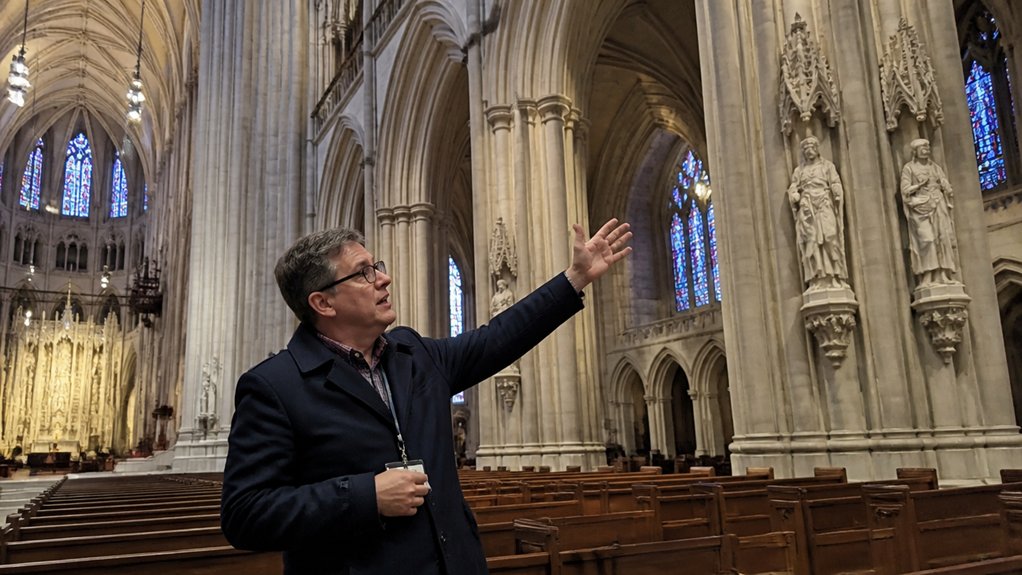
Set on one of the city’s highest points, the Washington National Cathedral grabs your eye with neo-Gothic drama in pale Indiana limestone, a 30-story central tower, flying buttresses, and rows of sharp spires. Completed in 1990, it rewards close looking. You’ll spot carvings everywhere, from chapel details to 112 gargoyles and grotesques that ornament the exterior and channel rainwater too. For broader context on Washington’s monumental spaces, the U.S. Capitol campus spans 570 acres of grounds.
| Feature | What you notice | Where |
|---|---|---|
| stained-glass windows | rich color, even a moon rock | nave |
| choir stalls | dense wood carvings | interior |
| flying buttresses | bold skeletal support | exterior |
Inside, the nine-bay nave feels lofty yet textured. Mosaics shimmer. Maps at the entrance help you track key carvings, and guided tours make the stonework easy to decode without turning the visit into homework.
Where to Spot the Darth Vader Grotesque
You can spot the Darth Vader grotesque on the cathedral’s northwest tower, tucked among 112 exterior gargoyles and grotesques like a sly stone cameo. To find it, grab the self-guided brochure at the entrance or follow the exterior map, and if you want a better look, book a tower climb or summer gargoyle tour after checking the age and mobility notes. It’s a fun surprise against the cathedral’s old-world carvings, and you’ll feel a little smug when that famous helmet finally comes into view. It’s one of the most memorable stops in a Washington DC Hidden Gems Guide for travelers who love offbeat attractions.

In God We Trust Tour
Our "In God We Trust Tour" is great for church groups, faith-based academies, and/or individuals seeking to understa...

Limousine Service Tour in Washington DC
Every traveler has a dream destination, no matter where they live. As a result of the covid-19 pandemic, many of us...

Private & Custom Guided City Tour of Washington DC
THE COST OF THIS TOUR IS BY GROUP. Concierge Tours ensures that all our guests, no matter the size of the group, see...
Darth Vader Location
Keep an eye on the northwest tower, where the Cathedral’s famous Darth Vader grotesque peers out among 112 exterior stone creatures. At Washington National Cathedral, this pop-culture face hides among medieval-style carvings, so you’ll want to pause and scan the grotesques northwest tower from the grounds. Like the calm atmosphere at Kenilworth Park, the search can feel surprisingly serene when you take your time.
- Start with the entrance map, which marks the Darth Vader grotesque and other playful carvings.
- Walk the Olmsted Woods paths for changing angles, rustling leaves, and sudden glimpses of stone figures high above.
- Check seasonal gargoyle tours or exterior tour schedules if you want a closer look from guided vantage points.
You’ll also see the carving mentioned beside other whimsical figures, including the hippie gargoyle. It’s a small detail with big personality, and finding it adds a fun scavenger-hunt twist to your visit.
Gargoyle Spotting Tips
Look up to the northwest tower and scan the higher buttresses, where the Darth Vader grotesque sits among 112 exterior stone carvings with a helmeted stare that’s easy to miss at first. Bring the self-guided brochure or digital guide so you can match photos to the stonework before your eyes start playing tricks.
For easier spotting, join summer gargoyle tours or ask staff which tower to study. If you want a sharper angle, book a tower climb. From vantage points near the rose window and bell tower, you’ll catch better sightlines to many grotesques, including Darth Vader. Go in daylight on a clear day because shadows flatten details fast. For the best foreground view, stand along Olmsted Woods paths or in Bishop’s Garden, where the tower rises above leaves and stone like a hidden movie cameo. If you’re planning a wider day of sightseeing, pair your cathedral visit with a stop at the Tidal Basin, another iconic Washington DC destination.
Exploring the Cathedral Grounds
Across the Cathedral’s 59-acre grounds, the visit shifts from grand stonework to quiet pockets of green. You can roam stone paths and winding trails laid out by Frederick Law Olmsted Jr., then look up to spot gargoyles and grotesques perched high on towers and buttresses.
- You pass Olmsted Woods, where shade, birdsong, and rough bark make the city feel far away.
- You glimpse the medieval-style Bishop’s Garden beyond stone walls, adding texture and old-world charm to the grounds.
- You might hear activity near the amphitheater for concerts or plan a break at the Old Baptistry cafe.
Map brochures at the entrance help you track carvings, routes, and event spaces. As you wander, the grounds feel roomy, varied, and pleasantly full of surprises at every turn. Nearby, Rock Creek Park offers over 32 miles of hiking trails and paths for a longer escape into nature.
Bishop’s Garden, Olmsted Woods, and the Café
| Spot | What you’ll notice |
|---|---|
| Bishop’s Garden | Stone walls, roses |
| Herb beds | Fragrant textures |
| Norman arch | Medieval detail |
| Olmsted Woods | Quiet walking paths |
| Old Baptistry café | Coffee, brunch, desserts |
You’ll also find lawns used for picnics, concerts, holiday displays, and lectures. When you need a break, the café in the Old Baptistry serves coffee, lunch, and something sweet, which feels like excellent planning, not indulgence.
Private Washington National Cathedral Tour
Experience Washington National Cathedral through the eyes of a certified Cathedral guide. This private experience co...
Skip the Line Washington Monument Tickets and Self Guided Book
Enjoy complimentary timed entry to the Washington Monument observation deck and breathtaking 360° views of Washingt...
Contrasts of D.C. - A Private Walking Tour
Go beyond the monuments and discover the hidden layers of Washington, D.C. on this private journey through history...
Washington National Cathedral Worship Services and Visitor Tips
If you want to experience the Cathedral beyond sightseeing, you can slip into free daily and weekly worship services, from Sunday Holy Eucharist to the candlelit calm of Choral Evensong. You can also tune in online for weekday Morning Prayer or watch archived services on YouTube, which is handy if your timing is off or your feet need a break. Before you go, check the schedule, download the service leaflet, and remember that photos and nave touring pause during worship, while the nursery and ASL support make Sunday morning easier to plan.
Worship Service Schedule
Often, the best way to experience Washington National Cathedral is to step into its worship rhythm, whether you join the Sunday Principal Holy Eucharist, catch Choral Evensong on Sunday or Monday through Thursday, or stream weekday Morning Prayer online in about 20 quiet minutes.
- On Sunday, you can attend Holy Eucharist in person, and the 11:15 a.m. service often includes ASL interpretation.
- For evening worship, Choral Evensong fills the space with soaring voices, and service leaflets appear above embedded videos online.
- If your schedule is tight, weekday Morning Prayer offers a brief livestream with Scripture, prayer, and meditation, plus archived services on YouTube.
Bookmark the Cathedral website for current times, webcast links, and leaflets. Some special services need passes, so always check ahead first.
Visitor Access Tips
While the Cathedral welcomes worshipers without an admission fee, regular sightseeing follows a different path, so it helps to know which visit you’re planning. At Washington National Cathedral, Sunday Holy Eucharist is free, but standard sightseeing has admission fees. You can join guided walking highlights tours, usually mornings Monday through Saturday and Sunday afternoons. During worship, don’t photograph or roam the nave. Check the calendar because popular holiday services may need free passes.
| Visit type | Cost | Good to know |
|---|---|---|
| Worship | Free | ASL at 11:15 |
| Sightseeing | Paid | Tours vary |
For families, Sunday School and a nursery make visits easier. Accessibility and parking are helpful too, with free Sunday garage parking. If you’re eyeing tower climbs, note the age rules. Grab a self-guided map and explore.
Frequently Asked Questions
Is Photography Allowed Inside the Cathedral?
Yes, you can take interior photography inside the cathedral, but you’ll need to follow flash restrictions, respect tripod policy, obtain professional permits when required, observe service exceptions, and avoid privacy concerns involving other visitors.
Are Strollers and Wheelchairs Permitted on Tours?
Yes, you can bring strollers and wheelchairs on tours, with stroller access, wheelchair accessibility, and mobility accommodations available. You’ll find accessible entrances supporting tour accessibility, and assistance animals are permitted to help you throughout visits.
Can I Bring Bags or Backpacks Into the Cathedral?
Yes—like slipping through an airport, you can bring bags or backpacks, but you’ll follow the security policy. Expect a bag check, note prohibited items, confirm locker availability, watch backpack size, and remember event exceptions may apply.
Are Guided Tours Available in Languages Other Than English?
Yes, you’ll find multilingual audio options and translation headsets; you can also ask about foreign language guides, sign language tours, language specific pamphlets, and bilingual volunteer guides, though availability varies daily, so you should confirm ahead.
Is There a Gift Shop at Washington National Cathedral?
Yes, you’ll find a gift shop where you can browse cathedral souvenirs, specialty gifts, locally made keepsakes, religious items, seasonal merchandise, and gift memberships. You can pick up meaningful mementos for yourself or others.
Conclusion
You’ll leave the Washington National Cathedral with stone spires, stained glass, and quiet gardens still circling in your mind. Climb if you can. The tower views are worth the steps. Inside, look for moon rock sparkle and Darth Vader’s sly stare. Outside, wander winding paths through Bishop’s Garden and Olmsted Woods. Check hours before you go, book ahead when needed, and give yourself time to linger. This hilltop giant rewards slow, curious steps.
Private Washington National Cathedral Tour
Experience Washington National Cathedral through the eyes of a certified Cathedral guide. This private experience combines history, architecture, symb...
Skip the Line Washington Monument Tickets and Self Guided Book
Enjoy complimentary timed entry to the Washington Monument observation deck and breathtaking 360° views of Washingt...
Cleveland Park Walking and Photo Tour, Washington, DC
Explore Cleveland Park, a historic neighborhood in upper NW DC and one of the original American suburbs. In early sp...
Contrasts of D.C. - A Private Walking Tour
Go beyond the monuments and discover the hidden layers of Washington, D.C. on this private journey through history...
Still comparing Washington National Cathedral?
Ask for tour ideas, hotel suggestions, or a simple trip plan that combines both.
Trip Helper
Experiences to explore
 Explore experience ↗
Private Washington National Cathedral Tour
◷ 2 hr 30 min
Experience Washington National Cathedral through the eyes of a certified Cathedral guide. This private experience combines history, arc
See dates for Current pricing
View dates Explore experience ↗
Washington DC Private City Tour with Monuments and Views
◷ 8 hr
Experience Washington, DC in comfort on a private, fully personalized sightseeing ride with an English-speaking local driver. Enjoy a f
See dates for Current pricing
View dates Explore experience ↗
Washington's Hidden Gems Food Tour with 6+ Tasty Dishes
◷ 3 hr
Wisconsin Avenue is Georgetown's beating heart, and that's where your local guide will start. Your first stop is a neighborhood favorit
See dates for Current pricing
View dates