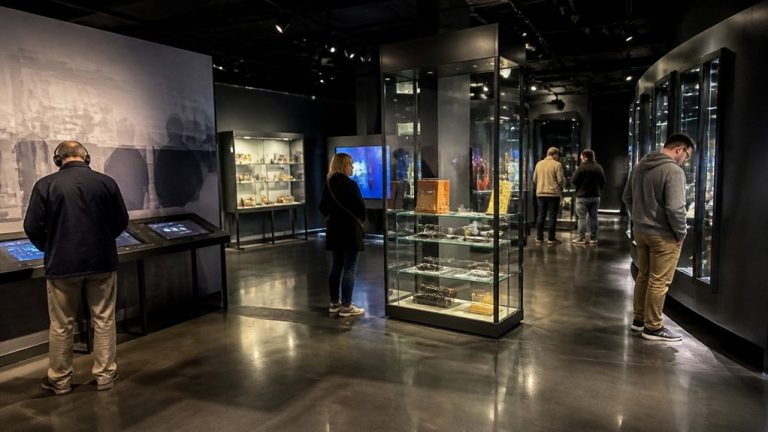
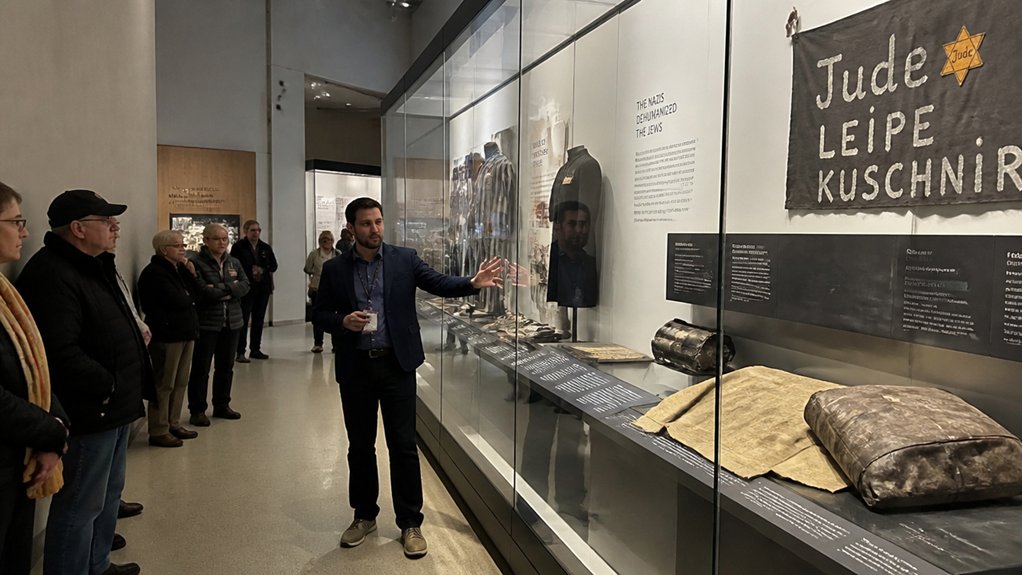
You can step into the United States Holocaust Memorial Museum any day from 10:00 a.m. to 5:30 p.m., and admission is free, though spring and summer visits often need timed-entry tickets for the Permanent Exhibition. You’ll want a plan. Some exhibits take half an hour, while the main exhibition can hold you for hours in quiet halls, dim light, and hard history. Add school group rules, accessibility help, and nearby Mall stops, and your visit starts to take shape.
Key Takeaways
- The museum is open daily 10:00 a.m.–5:30 p.m., except Yom Kippur and Christmas Day, and admission is free.
- Timed-entry tickets are required for the Permanent Exhibition from March through August and should be reserved online in advance.
- The Permanent Exhibition takes 2–4 hours; shorter options include Daniel’s Story, Americans and the Holocaust, and brief second-floor exhibits.
- The museum is fully wheelchair accessible, with staff help available and visitor support at 202.488-0400 or [email protected].
- Located on the National Mall, it is an easy walk to the Washington Monument, Air and Space Museum, and other major DC sights.

Skip-the-Line Washington Monument Tickets + Self Guided Book
Enjoy complimentary timed entry to the Washington Monument observation deck & breathtaking 360° views of Washington, DC. Your purchase includes the c...

Washington DC Hop-On Hop-off Trolley Tour with 15 Stops
Enjoy a 90-minute Hop-on Hop-off panoramic trolley tour of Washington, DC. The tour route will maximize your time an...
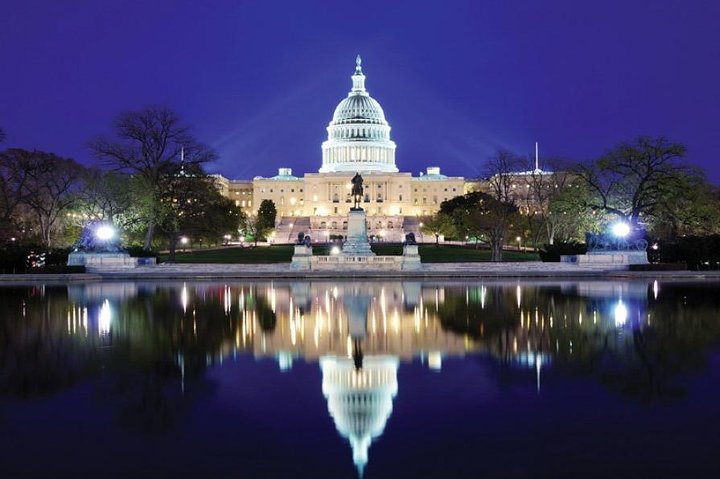
DC Monuments Night Tour with 10+ Stops, National Mall, Tickets
Experience Washington DC lit up at night during this 3-Hour Guided Night Tour of the National Mall and Monuments. Ma...
What Are the Museum’s Hours and Tickets?

Usually, the easiest way to plan your visit is to start with the clock. The United States Holocaust Memorial Museum is open daily from 10:00 a.m. to 5:30 p.m., except on Yom Kippur and Christmas Day. Admission free makes the visit simple to budget, but timed-entry tickets required rules apply to the Permanent Exhibition from March through August. You can reserve ahead online, and on sold-out days, same-day passes released at 7:00 a.m. can save you. Arrive on time because late entry may be denied. The pass desk closes at 4:30 p.m., so don’t drift in after one more coffee. If you skip the Permanent Exhibition, you can still enter other museum areas without a timed pass, which gives your day a little flexibility. The museum is located at 100 Raoul Wallenberg Place, SW, Washington, DC 20024-2126.
Which Museum Exhibits Fit Your Time?
Depending on how much time you’ve got, the museum can feel either like a deep, careful journey or a set of shorter, powerful stops. At the Holocaust Museum, the Permanent Exhibition is the main event. It spans 1933 to 1945 across several floors, and you’ll want 2 to 4 hours to take it in well. From March through August, book timed-entry tickets.
If you’ve only got an hour, try Daniel’s Story first. This family-focused exhibit takes about 30 minutes and works best for ages 8 and up. Americans and the Holocaust lasts about 45 minutes. For quick visits, short exhibits on the Second Floor take 10 to 30 minutes. If your timing aligns, the Survivors Symposium offers a memorable 90-minute encounter you won’t forget. If you’re comparing museum styles, the National Archives offers Charters of Freedom and other permanent exhibits open daily from 10 a.m. to 5:30 p.m.
How Should Student Groups Plan a Visit?
For student groups, a good visit starts well before the bus pulls up to the curb. If you’re bringing 55 or more, use the group reservation system early. From March through August, timed-entry tickets are required for the Permanent Exhibition, so reserve ahead. If your schedule allows, pair the museum with other free attractions in Washington DC to keep the day affordable.
| Step | Best fit | Time |
|---|---|---|
| Prep | Remembering the Children: Daniel’s Story, ages 8+ | 30 min |
| Breaks | Museum Café or Museum Shop | typical visit 2–4 hours |
If the full exhibition isn’t available, choose shorter shows that match attention spans. Build in quiet moments and snack stops. Students absorb more when the day has shape, a little breathing room, and one focused goal instead of a race through every gallery that day.
What Accessibility and Visitor Services Are Available?
Happily, the Museum makes access planning feel straightforward instead of stressful. The building is fully wheelchair accessible, and you can get staff assistance if you use mobility devices or want help finding the smoothest route. For visit planning, check the website’s floorplans and accessibility notes before you go. If you have hearing impairments, use the TTY line at 202.488.0406. You can also call 202.488-0400 or email [email protected] with questions about service animals, the Lower Level, or other access needs. On-site staff and volunteers are easy to spot and ready to help, without making things feel formal or stiff. At the Library of Congress, timed-entry tickets are required for entry, and ADA requests should be made at least five days in advance.

Washington DC in One Day: Guided Sightseeing Tour + boat cruise
Board your glamourous, climate-controlled panoramic bus at the U.S. Navy Memorial for one of the best bus tours in W...
Washington DC Hop-On Hop-off Trolley Tour with 15 Stops
Enjoy a 90-minute Hop-on Hop-off panoramic trolley tour of Washington, DC. The tour route will maximize your time an...
DC Monuments Night Tour with 10+ Stops, National Mall, Tickets
Experience Washington DC lit up at night during this 3-Hour Guided Night Tour of the National Mall and Monuments. Ma...
What Else Can You See Nearby?
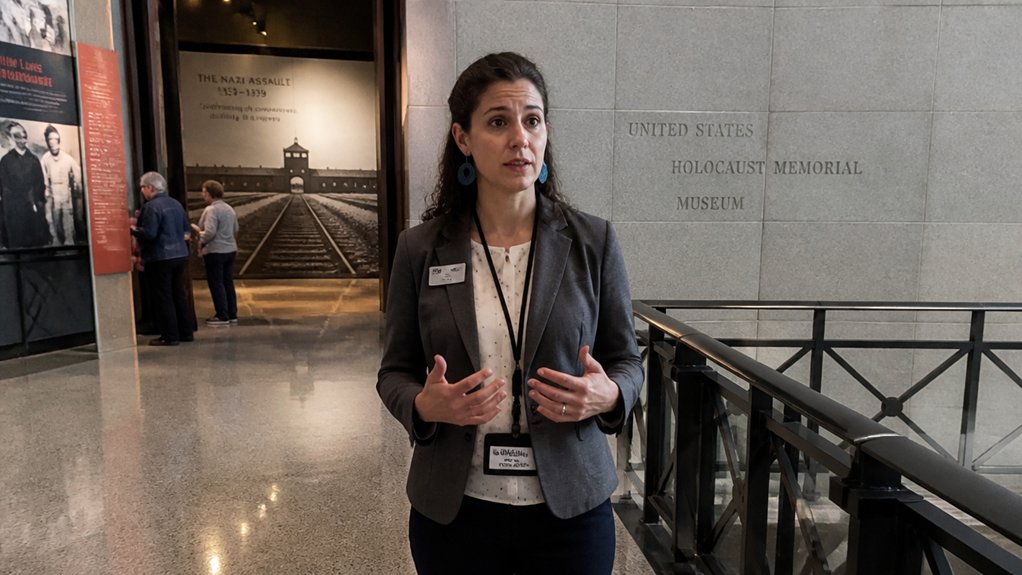
What else can you fold into the day once you step outside the Museum? You’re right on the National Mall in Washington DC, so the city keeps unfolding at an easy walking pace. From USHMM, you can reach the Washington Monument in minutes, then swing toward the National Museum of American History or the Air and Space Museum. If you want fresh air, follow the promenades to the Lincoln Memorial, the Vietnam Veterans Memorial, and long views that invite a quieter mood. The National Mall is especially manageable for first-timers because so many major sights are clustered together along one central stretch. After dark, book Monuments by Moonlight for glowing stone, softer crowds, and a little cinematic drama. Hungry? Keep it simple at the cafe, or head for Old Ebbitt Grill, Whiskey Charlie, or Fiola and trade museum thoughts over dinner before turning in.
Frequently Asked Questions
Why Was the Museum Built in Washington, D.C.?
Washington, D.C. was chosen because you see location choice, national symbolism, political context, accessibility considerations, urban planning, diplomatic relations, and educational outreach converge there, ensuring you’d confront Holocaust history where leaders, visitors, and institutions meet.
How Does the Museum Address Holocaust Denial and Misinformation?
Right off the bat, you see it counters denial through education campaigns, fact checking resources, academic partnerships, legal responses, online monitoring, memory preservation, and community outreach, so you can’t mistake documented history for misinformation today.
What Is the Purpose of the Hall of Remembrance?
Its purpose is to give you a spiritual space for solemn reflection, where memorial architecture, symbolic symbolism, and light symbolism guide your quiet contemplation, honor victims, support collective mourning, and deepen your commitment to remembrance.
Can Visitors Photograph Exhibits Inside the Museum?
Yes—but before you raise your camera, you’ll need photography policies, flash restrictions, artifact protection, visitor privacy, tripod regulations, image use, and docent guidelines; they shape what you can capture, how you’ll shoot, and where onsite.
How Are Survivor Testimonies Incorporated Into the Museum Experience?
You encounter Survivor voices through Oral history recordings, Interactive kiosks, and Educational programs; you’ll see Narrative curation shaped by Testimony ethics, supporting Memory preservation and helping you connect personally with lived Holocaust experiences throughout exhibits.
Conclusion
Plan well, give yourself time, and let the museum set the pace. You’ll move from quiet galleries to the bright Mall with new eyes. The story stays with you like an echo in stone. Reserve timed tickets in spring and summer, wear comfortable shoes, and keep water nearby. Then step outside to the monuments, trees, and city hum, carrying both questions and clarity. It’s a powerful stop, and a deeply human one for the day.
Washington DC Hop-On Hop-off Trolley Tour with 15 Stops
Enjoy a 90-minute Hop-on Hop-off panoramic trolley tour of Washington, DC. The tour route will maximize your time and provide you with a great introdu...
DC Monuments Night Tour with 10+ Stops, National Mall, Tickets
Experience Washington DC lit up at night during this 3-Hour Guided Night Tour of the National Mall and Monuments. Ma...
Skip-the-Line Washington Monument Tickets + Self Guided Book
Enjoy complimentary timed entry to the Washington Monument observation deck & breathtaking 360° views of Washington...