

You can stand under Lincoln’s giant marble gaze, wander into world-class museums, and hear a free concert at dusk, all without draining your wallet. Washington, DC rewards smart timing and simple choices. You’ll save with Metro rides, market lunches, and neighborhoods that feel lively without trying too hard. From the cheapest airport to a surprisingly fun $50 day, a few local moves can stretch your trip much further than you’d guess.
Key Takeaways
- Focus on free attractions: Smithsonian museums, National Gallery, Library of Congress, National Mall memorials, and many monuments cost nothing.
- Reserve timed-entry tickets early for popular free sites like the African American History Museum, Library of Congress, and National Zoo.
- Save on transportation with a SmarTrip card, using Metrobus, Metrorail, and walking instead of taxis or rideshares.
- Keep food costs low with picnics from Trader Joe’s or Eastern Market, plus cheap eats in Georgetown and Adams Morgan.
- Build days around free museums, parks, ranger talks, and Kennedy Center Millennium Stage shows to stay near $40–$75 daily.

Monuments and Memorials Sunset Tour by Open-top Bus with Guide
Big Bus is the only official bus tour partner of the National Park Service; no one gets you closer to the best memorials, monuments, and landmarks of...
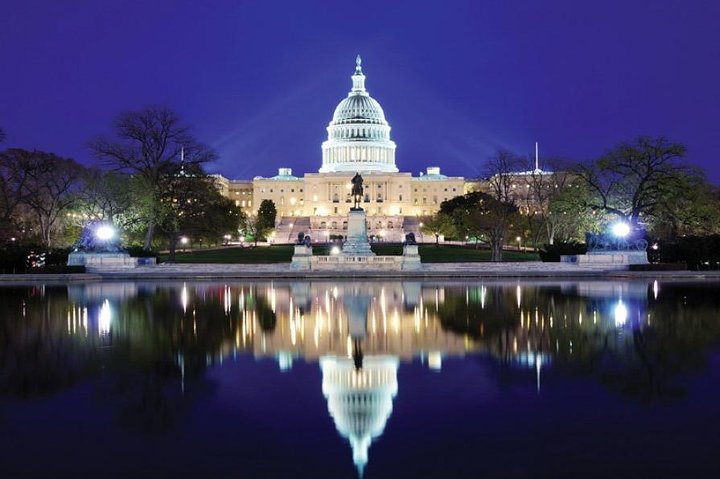
DC Monuments Night Tour with 10+ Stops, National Mall, Tickets
Experience Washington DC lit up at night during this 3-Hour Guided Night Tour of the National Mall and Monuments. Ma...

Washington DC in One Day: Guided Sightseeing Tour + boat cruise
Board your glamourous, climate-controlled panoramic bus at the U.S. Navy Memorial for one of the best bus tours in W...
How to Visit Washington DC on a Budget

If you plan it right, Washington DC feels surprisingly generous to budget travelers. Smithsonian museums are free, so you can wander from moon rockets to presidential keepsakes without touching your wallet. Along the National Mall, you’ll stack big-ticket sights into one walk and still have energy for sunset monuments. Many of the city’s most iconic memorials are open around the clock, making free monuments an easy way to sightsee after dark without spending anything. Skip cabs and grab a Capital Bikeshare pass instead. The city stays fairly flat, and the ride feels easy, even when your legs start negotiating. Come between December and March for the lowest hotel and flight prices, then book free timed entries early for places like the zoo or Library of Congress. For cheap meals, browse Trader Joe’s, Eastern Market, or order a Ben’s Chili Bowl classic and call it dinner with extra napkins handy.
Estimate Your Daily DC Budget
You can keep your daily DC budget surprisingly lean if you mix $30 to $50 in meals with about $8 for Metro rides or a Bikeshare pass, then fill your day with free heavy hitters like the Smithsonian, the Mall, and the Library of Congress. Add $25 to $60 only when you want a paid museum or tour, and watch how fast the math shifts from shoestring to splurge. Once you see a sample day on paper, those price benchmarks make DC feel less like a political capital and more like a city you can actually afford. DC gets even cheaper when you build your itinerary around free attractions that let you see the city without adding to your daily total.
Typical Daily Cost
Usually, a day in Washington, DC can cost as little as $40 to $75 on a lean budget, around $100 to $175 at a comfortable mid-range pace, or $200 and up if you want nicer meals and more paid experiences.
For budget travelers, the city shines because so many free activities fill your hours, from Smithsonian halls to monument walks that begin near a Metro station. If you eat simply and use bikes or transit, your costs stay low. Spend more and you’ll add sit-down dinners, snacks, tours, and rideshares with ease. Using high-frequency routes and Metro Rail connections can make low-cost transit planning around DC even easier. The biggest swing comes from where you sleep. A hostel bed can keep average down, while mid-range hotels and luxury addresses quickly raise your total. Plan around that, and DC feels flexible.
Sample Budget Breakdown
Those daily ranges make more sense once you map them onto a real day in DC. Start with a hostel bed, a Metro ride, and a picnic breakfast from Trader Joe’s. Spend your morning on the National Mall, where museums and monuments are free to visit and the city feels surprisingly spacious. First-time visitors can use a National Mall guide to plan an efficient route between the major memorials and Smithsonian stops. For lunch, grab market snacks at Eastern Market. In the afternoon, bike through Rock Creek Park with an $8 Capital Bikeshare pass, or reserve the National Zoo if you’re okay with a small fee. Finish in Adams Morgan with happy-hour bites instead of a pricey dinner. Done right, your full day stays under $50 and still feels rich, varied, and delightfully unpretentious from dawn to dusk, with room for coffee too.

DC Night Tour: 10+ National Mall Monuments, Entry Ticket Upgrades
Experience Washington DC lit up at night during this 3-Hour Washington DC Guided Moonlit Tour of the National Mall a...

DC Monuments by Night: 10+ Landmarks | Open-Top Upgrade Available
See a different side of Washington DC after dark on a guided night tour of the city's floodlit monuments. This tour...
DC Monuments Night Tour with 10+ Stops, National Mall, Tickets
Experience Washington DC lit up at night during this 3-Hour Guided Night Tour of the National Mall and Monuments. Ma...
Money-Saving Price Benchmarks
Start with a few DC price markers and the city gets easier to read. You’ll likely pay about $5 for coffee, $9 for a pint, $60 for a three-course dinner, and from $63 for a hostel bed. Those numbers help you spot deals fast.
Then cut the total with smart swaps. Smithsonian museums and the National Mall give you free sightseeing, and 21 Smithsonian museums cost nothing to enter. Budget transport keeps moving costs low too. Grab an $8 Capital Bikeshare day pass for unlimited 45-minute rides, or ride Metro off-peak instead of taking taxis. Before you head out, check System Status to avoid delays and expensive last-minute ride-hail backups. For meals, stock up at Trader Joe’s or Eastern Market and picnic on the grass. Travel from December to March for lower rates, and skip cherry blossom peak unless your wallet loves drama.
Visit DC in the Cheapest Months
Often, the cheapest time to visit Washington, DC runs from December through March, when hotel rates drop, flights get cheaper, and the city feels calmer under a cold gray sky. That’s when you’ll find the cheapest months, and January usually brings the deepest bargains. Pack gloves, expect 25°F mornings, and enjoy museums with shorter lines and quieter sidewalks. For a quieter seasonal experience, Washington DC Winter Travel Guide highlights how winter brings a calmer pace to the city.
From December to March, DC turns quieter and cheaper, with January offering the sharpest savings under a cold gray sky.
- Book winter weekdays for better room deals
- Target January for the strongest discounts
- Leave before late March if you avoid Cherry Blossom Festival crowds
- Check August or September only if you don’t mind humidity
You’ll save money, hear Metro doors instead of tour buses, and see monuments in crisp air that makes the marble look almost silver. By spring break, prices wake up fast across town.
Choose the Cheapest Airport for DC
For many budget trips, the cheapest airport for DC isn’t the one with the lowest ticket price. You should compare the door to door cost before you book. Reagan National Airport (DCA) sits closest to downtown, so you’ll spend less money and less time getting into the city. It’s often the smoothest landing for your budget, even if the airfare looks higher at first glance. DCA also has the most convenient downtown transportation for travelers trying to keep both costs and transit time low.
Dulles International Airport (IAD) often wins on airfare, and its Silver Line trip downtown costs about $6, but peak rideshares can sting. Baltimore/Washington Thurgood Marshall (BWI) can be even cheaper, especially on budget airlines, with trains to downtown often running $7 to $20. Add luggage fees, shuttle costs, and travel time, then pick the airport that saves money.
Use DC Transit for Less
You can stretch your DC budget fast when you lean on Metro and Metrobus, especially with a SmarTrip card, lower off-peak fares, and free bus transfers within two hours. For short hops between museums and monuments, Capital Bikeshare keeps things cheap with a 24-hour pass and breezy 45-minute rides that feel a lot better than sitting in traffic. If you’re flying into Dulles, you can skip the painful ride-hail bill and take the Silver Line downtown for about $6, then walk the flat streets when the city practically invites you to. Metrobus also offers free transfers between buses within a 2-hour period when you pay with SmarTrip or contactless.
Metro And Bus Savings
Start with a SmarTrip card, either the plastic version or the mobile one, and DC’s transit system gets cheaper and easier right away. You’ll tap faster, skip paper fare hassles, and open lower off-peak Metrorail prices.
- Ride weekdays before 5:30 p.m. and on weekends for cheaper rail fares.
- Use Metrobus for predictable costs. Local rides are $2.00 with your SmarTrip card.
- Hop on the DC Circulator for $1 rides between the Mall, Georgetown, and the waterfront.
- Plan one longer Metrorail trip, then walk a bit, so you avoid extra paid transfers.
You can get around without a car by combining Metrorail, Metrobus, and walking for most central sightseeing routes. You’ll save money and see more of the city at street level. Stations hum, buses rumble, and suddenly the map feels friendly instead of expensive for budget-minded explorers chasing monuments after lunch daily.

DC in a Day: 10+ Monuments, Boat Cruise, National Mall, Tickets
Explore Washington DC’s top landmarks and monuments on a 6-hour tour by deluxe touring coach with full narration f...

Washington DC Hop-On Hop-off Trolley Tour with 15 Stops
Enjoy a 90-minute Hop-on Hop-off panoramic trolley tour of Washington, DC. The tour route will maximize your time an...
Monuments and Memorials Sunset Tour by Open-top Bus with Guide
Big Bus is the only official bus tour partner of the National Park Service; no one gets you closer to the best memor...
Capital Bikeshare Options
Bikes take the budget baton nicely once the Metro map starts to feel familiar. With Capital Bikeshare, you can keep getting around cheaply between museums, monuments, and neighborhoods without waiting on a platform. The system spreads roughly 5,000 bikes across about 600 stations, so short hops feel easy.
A 24-hour day pass costs $8 and gives you unlimited 45-minute rides, which is usually the best deal if you’ll ride several times. Single trips cost $0.15 per minute after you activate, but that adds up faster. Check the Transit app or Capital Bikeshare app for live bike and dock counts so you can avoid overage charges. Bring your own helmet, use bike lanes, and consider an e-bike or an earlier return for hillier stretches too. For more planning help, a Washington DC Bike Tours guide can also give you a local sense of which routes connect major sights efficiently.
Airport Transit Choices
Because airport choices can quietly shape your whole budget, it pays to look at the train map before you book the flight.
- Dulles works if the fare drops. The Silver Line Metro gets you downtown in 50 to 60 minutes for about $6.
- Reagan National Airport is closest. You can ride Blue or Yellow lines into the city in about 15 to 20 minutes.
- BWI sometimes saves money. Take MARC to Union Station, or Amtrak if timing matters more than price.
- Use a SmarTrip card or tap to pay. Metro and buses usually beat taxis and Uber, especially off-peak.
If you stay at one of the National Mall hotels, easier transit can also cut daily transportation costs.
Check peak fares and transfer time, then choose the airport that leaves more cash for museums, dumplings, and one extra coffee near the Mall later.
Find Cheap Hotels in DC
A smart DC hotel strategy often begins a few stops outside the postcard core. Book hotels in Alexandria, Arlington, or Silver Spring and ride Metro. You’ll often pay 20 to 40 percent less than downtown, with a 10 to 25 minute trip to the Mall. Look for places near a Metro station, then compare parking, WiFi, and transit costs before you click reserve.
Winter stays can dip to $60 to $80 at budget chains or hostels, especially from December through March. Weekday deals and shoulder season discounts also pop up in late summer. Reagan National is the easiest airport, while Dulles on the Silver Line adds about $6 downtown. Suite style hotels with kitchenettes can stretch your budget nicely on longer stays too. If you want a lively area with river views and easy transit access, consider staying near the Capitol Riverfront for a convenient base.
Eat Cheap in Washington DC

Often, the cheapest meals in Washington come with the most character, from the sizzle at Ben’s Chili Bowl to the busy food stalls at Eastern Market. You can eat well without burning through your museum money. Walk a little, listen for lunch crowds, and you’ll usually find the line worth joining nearby too. Eastern Market is especially worth visiting for its local finds, where food stalls and neighborhood vendors give budget travelers plenty to explore in one stop.
In Washington, the best cheap meals often come with the most character and the longest worthwhile lines.
- Order a chili bowl at Ben’s Chili Bowl. It starts around $6.79 and tastes like local history.
- Browse Eastern Market for produce, dumplings, sandwiches, and easy lunch deals.
- In Adams Morgan, buy a book at Lost City Books, then claim a free Andy’s Pizza slice with your receipt.
- Skip pricey food tours unless you want guidance. For less, picnic with Trader Joe’s groceries at Meridian Hill Park or Georgetown Waterfront Park.
Visit Free Smithsonian Museums
You can fill a full day with free Smithsonian stops, from the National Museum of American History to the Air and Space Museum, and most are close enough on the National Mall that your feet do the commuting. If you’ve got your eye on the National Zoo or the National Museum of African American History and Culture, reserve timed entry online ahead of time so you’re not stuck admiring the doors. At the National Museum of American History, you can dive deeper into the stories behind everyday objects and major moments that shaped the United States. Check each museum’s daily calendar before you go, because you might catch a free talk, film, or family activity between exhibits and turn a simple visit into something richer.
Free Admission Highlights
Treasure hunting in Washington starts on the National Mall, where a string of Smithsonian museums opens its doors for free all year. You can Visit the Smithsonian without wrecking your budget, since 17 Smithsonian museums offer free admission year-round and many sit close together.
- Walk the Mall and stack several stops into one day.
- Book timed entries online for busy favorites and the zoo.
- Check museum calendars for free talks, tours, and family programs.
- Add the National Gallery, SAAM, and Renwick for more free art.
You save on transit, dodge surprise fees, and keep your options open. It feels a bit like city-sized window shopping, except you can actually step inside and stay awhile. Peak crowds reward planners, so reserve early and arrive calm. Beyond the big names, hidden gems around Washington DC can add even more value to a museum-filled itinerary.
Top Smithsonian Stops
Start with the heavy hitters and build out from there, because the Smithsonian’s free lineup makes it easy to see a lot without burning through your budget. At the National Museum of American History, you can stand before the Star-Spangled Banner, then peek into Julia Child’s kitchen and imagine the clatter of pans. At the National Air and Space Museum, the Wright Flyer and Apollo 11 command module pull you in fast. Inside the National Air and Space Museum, you can dig deeper with the Smithsonian National Air and Space Museum Guide before you go. If you’ve got time, ride out to Udvar-Hazy for giant aircraft and the sleek SR-71 Blackbird. Balance the big names with the Smithsonian American Art Museum and National Portrait Gallery. Reserve timed passes early for the National Museum of African American History and Culture and other busy days on the Mall too.
See DC Monuments for Free
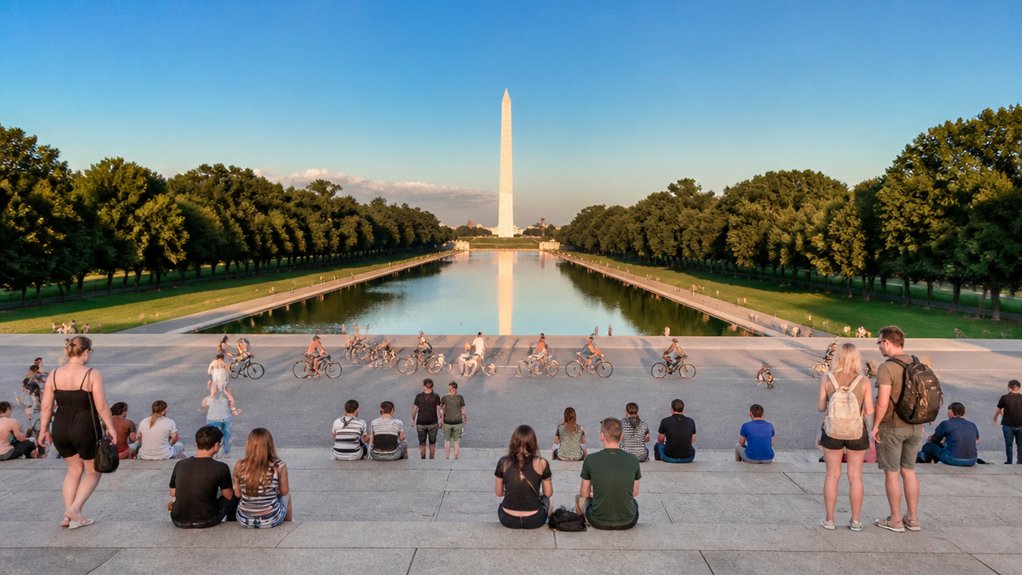
Step onto the National Mall and DC’s biggest sights open up without costing a dime. In Washington DC, more than 100 memorials spread across 1,000 acres, and the icons are free to enter. You can catch sunrise at Lincoln, linger by the 555-foot Washington Monument, then circle the Tidal Basin’s 2.1 miles. The National Mall runs from the United States Capitol to the Potomac River, and the National Mall is open 24 hours a day.
- Many memorials stay open 24/7, so you can go early or late and skip crowds.
- Free ranger talks add stories and context. Check National Park Service schedules first.
- The Tidal Basin links Jefferson, FDR, and MLK Jr., with cherry blossoms stealing the show in spring.
- Walk into Arlington National Cemetery for free to enter on foot near JFK’s grave and the Tomb of the Unknown Soldier too.

DC's Monuments & Landmark Guided Small Group E-Cart Tour
This tour is a great alternative to see DC's Monuments by a E-Cart and knowledgeable guide. This tour offers a detai...

Washington DC Monuments by Moonlight Tour by Trolley
You haven't seen Washington DC until you've seen it at night! On this evening 100% live narrated tour, you'll enjoy...
Monuments and Memorials Sunset Tour by Open-top Bus with Guide
Big Bus is the only official bus tour partner of the National Park Service; no one gets you closer to the best memor...
Explore Rock Creek Park for Free
Beyond the monuments, Rock Creek Park gives you 2,100 free acres of woods, creeks, and shady picnic spots right in northwest DC. You can wander for hours here without spending a dollar, whether you like easy strolling or longer hiking routes through thick trees and quiet ravines.
Rock Creek Park has more than 32 miles of trails, including a paved path that stretches about 10 miles toward Peirce Mill. Bring lunch and claim a picnic table, then listen for rushing water and birds overhead. The park also offers free ranger-led programs on nature, history, stars and planets, and recreation. At the historic mill area, you might catch ranger talks, demonstrations, or a seasonal Saturday farmers market. The park also runs free nature programs, guided walks, and junior ranger activities. Getting there is simple too. Use Metro or Capital Bikeshare and skip car costs and parking headaches altogether.
Find More Free DC Attractions
You can fill a whole DC day with free museums and monuments, from Smithsonian favorites on the Mall to wide memorial walks that cost nothing but shoe leather. You’ll also find smart hidden gems like the Old Post Office Tower, plus easy outdoor wins at the Tidal Basin and Rock Creek Park when you want air, shade, and room to wander. If you time it right, you can catch a free Millennium Stage show or step into the Library of Congress and National Archives without blowing your budget. If you’re mapping out a longer stay, a 5 Days in Washington DC Itinerary can help you spread these free attractions across neighborhoods and make the most of each day.
Free Museums And Monuments
Kick things off on the National Mall, where more than 100 free monuments and memorials spread across about 1,000 acres and stay open day and night. You can wander from Lincoln to Jefferson, pause at MLK Jr., and catch the WWII Memorial glowing after dark. The National Mall is often called America’s Front Yard, and it includes more than a dozen National Park System units.
- Tour Smithsonian museums for free, but book timed entry for some exhibits.
- Step into the National Gallery of Art for quiet, cool galleries.
- Visit the Library of Congress, and reserve peak spaces ahead.
- End with Kennedy Centers Millennium Stage and a free 6 p.m. show.
You’ll save cash and still hear music, see history, and stand inches from icons that usually fill textbooks. Free here doesn’t mean lesser. It means your budget gets room to breathe for snacks later.
Hidden Gems And Parks
When the marble and crowds start to blur together, DC gives you plenty of green places to reset for free. Start with Rock Creek Park, where you can hike shady trails, spread out a picnic, and peek at Peirce Mill without leaving the city.
For wide open gardens, head to the U.S. National Arboretum. You can wander past the National Capitol Columns, then duck into the bonsai museum for tiny trees with serious attitude. Kenilworth Park & Aquatic Gardens feels even more surprising. In summer, lotus and water lilies turn the ponds into a bright floating quilt, and you can reach it from the Anacostia Trail. Georgetown Waterfront Park offers an easy Potomac stroll near downtown. If you want classics with room to roam, walk the Tidal Basin loop early and beat the blossom crowds.

DC Monuments & Capitol Hill Highlights Tour by Electric Cart
Experience a whole different side of Washington, DC during our Monuments by day tour! Climb into our all-electric Re...
Washington DC in One Day: Guided Sightseeing Tour + boat cruise
Board your glamourous, climate-controlled panoramic bus at the U.S. Navy Memorial for one of the best bus tours in W...
DC's Monuments & Landmark Guided Small Group E-Cart Tour
This tour is a great alternative to see DC's Monuments by a E-Cart and knowledgeable guide. This tour offers a detai...
Free Events And Performances
Often, DC’s best budget entertainment shows up right on your calendar for free. You can catch free performances at the Kennedy Center’s Millennium Stage, usually Wednesday through Saturday at 6 p.m., if you reserve early or line up.
- Browse Smithsonian museums calendars for lectures, films, and family programs.
- Join National Mall ranger talks and living-history demos in adjacent parks.
- Save summer evenings for Wharf movies and REACH Plaza concerts.
- Time your trip for Passport DC and embassy open houses in May.
You’ll hear music, see films under the sky, and step into cultural spaces that usually feel far away. These moments add chatter, brass notes, and a little serendipity to your day too. Check reservation rules, timed-entry needs, and meeting points before you go.
Plan a Cheap Day in Adams Morgan
If you start early, Adams Morgan feels like a neighborhood warming up just for you. Grab craft coffee and a scratch pastry at Soleluna on Columbia Road between 7 and 8 a.m., then wander the colorful blocks like your free walking tours. Pop into Lost City Books on 18th Street for new, used, and rare finds, then claim a free cheese slice next door at Andy’s with your receipt. Later, carry lunch vibes to Meridian Hill Park and spread out on the terraces near the Joan of Arc memorial. If you want a cheap dinner, order Middle Eastern small plates and happy hour drinks on The Green Zone patio. End with live music or karaoke at Madam’s Organ, where the room hums past 9:30 p.m.
Plan a Cheap Day at DC Markets
Start your market day early at Eastern Market, where vendors usually settle in by 9 or 10 a.m. and the whole place feels pleasantly busy without turning frantic. You can browse produce, local crafts, and prepared foods, then build a budget lunch without trying very hard.
- Chase free samples before you buy.
- Look for cheap eats under $10.
- Grab picnic supplies at Eastern Market or Trader Joe’s.
- Pair your haul with free time at Kenilworth Park & Aquatic Gardens.
Bring a reusable bottle, skip the $5 downtown coffee, and listen for vendor tips on what’s freshest and maybe a pastry that somehow follows you home. By noon, you’ve got a colorful meal, a light bag, and enough cash left for one more snack later.
Plan a Cheap Day in Georgetown
Brick sidewalks, river light, and a little bargain hunting make Georgetown surprisingly friendly to a budget day. Start with cash-only bagels and a sandwich at Bagels, Etc., then walk to Georgetown Waterfront Park for free Potomac views, the pier, and a tiny labyrinth that feels made for picnics. Browse M Street and duck into Redz Trading when you want designer labels without designer prices. Next, step inside the Old Stone House and wander the cobblestones near Georgetown University for quiet history and leafy campus charm. Finish with a cheap falafel bowl or sandwich from Falafel Inc., then return to the waterfront for sunset, soft chatter, and that smug feeling of spending wisely while still seeing plenty before bedtime and maybe plotting tomorrow’s thrift stop.
Build a $50 Washington DC Itinerary
Sketch out a three-stop DC day and you can keep the total near $50 without feeling like you’re rationing fun. Start at the National Mall and hop between Smithsonian museums like the National Gallery of Art and National Portrait Gallery. Use Capital Bikeshare for cheap, breezy transit, or take Metro if rain rolls in.
- Breakfast or lunch at Ben’s Chili Bowl runs about $6.79
- Picnic supplies from Trader Joe’s or Eastern Market can feed two for under $20
- A DC by Foot tour lets you tip what you wish, often $5 to $10
- End with a free Kennedy Center show or a Smithsonian evening event
Reserve free timed tickets early, then save the leftover dollars for coffee or a postcard before your train home leaves.
Frequently Asked Questions
Is Washington DC Safe for Solo Budget Travelers at Night?
Yes, you can stay reasonably safe at night if you practice Night safety, maintain Neighborhood awareness, and follow Solo etiquette: stick to busy, well-lit areas, avoid empty transit cars, conceal valuables, and use rideshares late.
How Much Should I Budget for Tipping in Washington DC?
Budget about $20–$40 daily for tipping—it’ll feel like a mountain sometimes. You should follow gratuity etiquette: tip 18–20% at restaurants, check service charges, carry cash tips, and add small amounts for rides, hotels, tours too.
Do I Need Reservations for Free Museums or Monuments?
You don’t usually need reservations for free museums or monuments, but many popular spots require timed entry. Check ahead for guided tours, special exhibits, and group reservations, especially during busy seasons, evenings, and weekends there.
What Should I Pack for Washington Dc’s Changing Weather?
You should pack layered clothing for temperature swings, a packable raincoat for sudden storms, and comfortable shoes for long walks. Don’t forget a water bottle, daypack, sunscreen, and seasonal extras like gloves or a hat.
Is Washington DC Accessible for Travelers With Disabilities?
Yes, you’ll find Washington, DC fairly accessible, with Metro elevators, museum ramps, accessible hotels, tactile maps, and captioned tours. You should still check attraction pages, reserve needed accommodations, and monitor elevator outages before visiting there.
Conclusion
You don’t need a senator’s salary to make DC feel enormous. You can ride the Metro for pocket change, stand under marble giants on the Mall, and slip into Smithsonian galleries that seem to stretch for miles. Grab dumplings at Eastern Market or a Trader Joe’s picnic, then catch a free Kennedy Center show as the lights flicker on. Plan smart, book early, and the city opens like a vault stuffed with history, music, and bargains.
Washington DC in One Day: Guided Sightseeing Tour + boat cruise
Board your glamourous, climate-controlled panoramic bus at the U.S. Navy Memorial for one of the best bus tours in Washington DC!Expanding on our p...
Monuments and Memorials Sunset Tour by Open-top Bus with Guide
Big Bus is the only official bus tour partner of the National Park Service; no one gets you closer to the best memor...
DC Monuments Night Tour with 10+ Stops, National Mall, Tickets
Experience Washington DC lit up at night during this 3-Hour Guided Night Tour of the National Mall and Monuments. Ma...
Still comparing Washington DC Budget Travel Guide?
Ask for tour ideas, hotel suggestions, or a simple trip plan that combines both.

2 Comments
[…] Washington DC on a budget guide can help place this route within a wider low-cost trip. For a paid neighborhood or private tour, compare […]
[…] building a broader low-cost itinerary can pair these dining ideas with a Washington DC on a Budget Travel Guide covering expenses beyond […]