

You land at Reagan at 8:15 a.m., roll your bag through a covered walkway, and hear the Metro doors chime before you’ve even checked your phone. That’s the kind of choice that can shape your whole DC arrival. Some airports hand you a fast, cheap trip downtown. Others add shuttles, stairs, and a longer look at traffic. The best option depends on your budget, your luggage, and how patient you feel today.
Key Takeaways
- Reagan National (DCA) is the quickest airport for downtown, with Blue and Yellow Line Metro service reaching central DC in about 10–20 minutes.
- Dulles (IAD) offers direct Silver Line Metro access to downtown in about 50–60 minutes, usually costing around $2–$6.
- BWI typically takes 60–90 minutes by public transit, using the free shuttle to BWI Rail Station and a MARC or Amtrak train.
- Taxis and rideshares are fastest door-to-door options, but DCA trips usually cost $25–$45 while Dulles trips often run about $57–$85.
- Metro is often the most predictable and cost-effective choice, but check WMATA alerts for weekend track work or service disruptions.

Washington DC: Easy Sightseeing Guided Monuments Tour by E-Cart
Explore Washington, DC’s iconic monuments and memorials on a relaxed, open-air electric cart tour. Enjoy a small-group experience with a knowledgeab...

Airport Transfer DCA to/from Washington DC Downtown Area only
This is a personalized service of transportation without the discomfort of taxi lines and the inconvenience stops of...
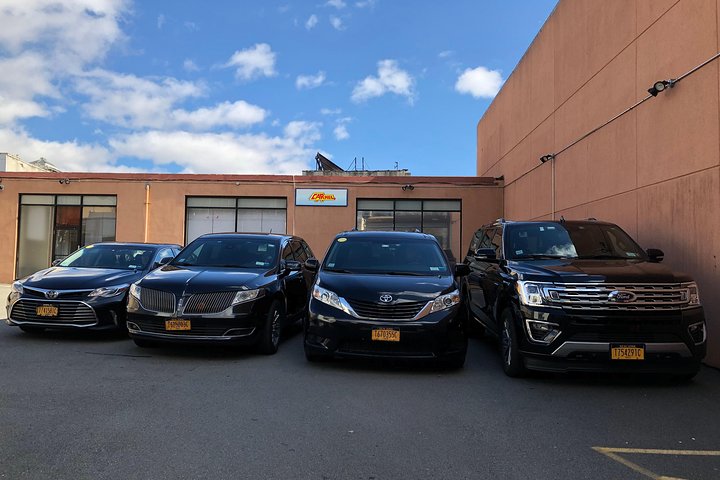
Private Departure Transfer to Baltimore Washington Airport BWI
Avoid the stress of waiting for taxis or shuttle transfers and instead ensure peace of mind with this convenient pri...
Best Ways to Get From DC Airports Downtown

Start with your priorities, because getting from a DC airport downtown is really a choice between speed, price, and how much effort you want after a flight.
If you’re watching costs, Dulles International Airport gives you a strong play: the Silver Line Metro runs straight downtown in about 50–60 minutes for $2–$6. Need a seat and less station bustle? Virginia Breeze buses reach Union Station in about 45 minutes for $15–$19, though you’ll book ahead and work around limited departures. For late arrivals or small groups, taxis and rideshares bring 24/7 door-to-door service for roughly $57–$59 or $60–$85. Shared shuttles land in the middle, with 45–75 minute trips, advance booking, and a few extra stops along the way. Sometimes the quiet ride feels priceless.
If you want to compare airport rail options with local transit once you’re in the city, the downloadable Metro Rail map and regional bus maps can help you plan connections downtown.
Which DC Airport Is Easiest for Downtown?
If you want the easiest shot into downtown, you’ll usually find Reagan National the clear winner, with a covered walk to the Metro and a quick 10 to 15 minute ride toward the Mall. Dulles now gives you a direct Silver Line option too, but you trade that convenience for a longer 50 to 60 minute trip and a short station-to-terminal walk that feels longer with bags in tow. BWI sits farthest from the action, so if you land there, you should expect extra steps, more time, and a trip that starts to feel like a small side quest. Before you go, checking System Status can help you spot any service or construction issues that might affect your airport-to-downtown trip.
Reagan National Advantage
For sheer convenience, Reagan National feels like DC’s front door. At Ronald Reagan Washington National Airport, you can follow a covered walkway straight to the Metro and roll into the terminal without wrestling weather or stairs. The Yellow and Blue Lines make downtown feel close enough to wave at. You’ll reach the National Mall in about 5 to 10 minutes, and many business districts in 10 to 15 with an easy transfer. Elevators and accessible connections help if you’ve got luggage or mobility needs. Trains come often, so during weekday rush hours, Metro usually beats driving through clogged streets. Landing late or hauling too many bags? Taxis and rideshares run all night, and fares stay gentler because DCA sits so close to the city. If you’re heading to landmarks after arrival, the Washington Monument on the National Mall is a 555-foot marble obelisk honoring George Washington.
Dulles Transit Tradeoffs
Dulles asks a little more of you than Reagan, but it gives you solid options once you know the tradeoffs. From Dulles, the Silver Line is your budget-friendly anchor. It runs straight toward downtown in about 50 to 60 minutes, and the fare usually lands between $2 and $6. If you want a faster direct shot, Virginia Breeze reaches Union Station in about 45 minutes for $15 to $19, though you’ll want to book ahead and watch the limited schedule. Since this guide is about getting around DC without a car, Dulles still works well if you are comfortable using transit once you arrive downtown. When you’re tired and traffic behaves, taxis and rideshares get you door to door fastest, but you’ll pay about $57 to $85 plus tip. Shared shuttles cost less sometimes, yet extra stops can stretch the ride. On weekends, Silver Line shuttle replacements slow things down.

DC Monuments & Capitol Hill Highlights Tour by Electric Cart
Experience a whole different side of Washington, DC during our Monuments by day tour! Climb into our all-electric Re...

Washington DC Monuments Tour by Electric Cart Day and Night
Experience a whole different side of Washington, DC during our Monuments tour! Climb into our all-electric Red Roads...

DC's Monuments & Landmark Guided Small Group E-Cart Tour
This tour is a great alternative to see DC's Monuments by a E-Cart and knowledgeable guide. This tour offers a detai...
BWI Distance Factor
At the far edge of the Washington airport trio, BWI asks a bit more patience from you on the way to downtown. From BWI, you’re covering about 30–35 miles, so a car ride usually takes 45–60 minutes if traffic behaves. Public transit adds another layer. You take a shuttle to the BWI Rail Station, then board MARC to Union Station for about 30–35 minutes on the train. Add transfer and waiting time, and your total trip often lands around 60–90 minutes. Amtrak gives you a faster direct rail option, but you’ll pay more for the speed. Compared with DCA or IAD, BWI feels less direct and a little more adventurous, like starting your city break with one extra puzzle piece. Still, it’s manageable if you plan the connection. For current conditions that could affect your trip, the NWS Baltimore/Washington forecast office provides regional weather updates.
How Much Does Airport Transfer Cost?
You’ve got a wide price range in Washington, and your cheapest ride is usually Metro, with fares from about $2 to $6 from Dulles and $2.25 to $6.75 from Reagan. If you want a straight shot to downtown, you’ll usually pay more, with taxis running about $60 to $85 plus tip and Uber or Lyft often landing around $57 to $59 before surge kicks in. In the middle, you can look at shuttles for about $33 to $70 or a Virginia Breeze bus from Dulles for $15 to $19, which can feel like a solid deal if the timing works. If you continue by transit after your airport ride, free transfers can reduce your cost within a 2-hour window when using SmartTrip or contactless payment.
Metro Fare Range
For most travelers, the Silver Line is the clear budget win, with a ride from Dulles to downtown DC usually costing about $2 to $6 depending on how far you go and whether you’re traveling during weekday peak hours. On the broader Metrorail system, you’ll usually pay $2.25 to $6.75 in daytime, while nights and weekends drop to roughly $2.25 to $2.50. That makes the Silver Line Metro an easy choice if you like simple math after a long flight. You can pay single ride fares by tapping a contactless card or mobile wallet at the gates, or by using a SmarTrip card from the station machines. If you switch to a Metrobus later, fares are a flat $2.25 per ride across town, too. If your plans include sightseeing after you arrive, the United States Capitol is one of downtown Washington’s signature visitor stops.
Taxi And Rideshare Prices
Let’s get into the door-to-door math, because this is where convenience starts to cost more. From Dulles Airport, a taxi to downtown Washington usually runs about $60 to $85 plus tip, and the ride often takes 39 to 60 minutes, depending on traffic and your luck at the curb.
Uber and Lyft from Dulles Airport to downtown usually land around $57 to $59 in normal conditions, but surge pricing can jump fast when flights pile in. If you land late at night, or you’re splitting the fare with three or four people, that backseat can suddenly feel like a smart deal. Reagan National trips are usually cheaper and quicker since the airport sits much closer. Just watch rush hour, pickup fees, and possible tolls when you budget. If your hotel is near Union Station, fares can vary a bit depending on traffic patterns and drop-off access around this major downtown transit hub.
Shuttle And Bus Costs
Scan the cheaper ground game, and the numbers change fast. From Dulles, you can ride the Silver Line into downtown for $2 to $6, usually in 50 to 60 minutes. If weekend rail work hits, replacement shuttle buses come every 8 to 10 minutes, though your trip may stretch.
For a budget hop, Metrobus costs $2.25. The Virginia Breeze runs $15 to $19 to Union Station in about 45 minutes, but departures are limited, so timing matters. A shared Airport Shuttle like SuperShuttle, GO Airport Shuttle, or Airport Xpress usually lands between $33 and $70. Expect 45 to 75 minutes and maybe a few extra hotel loops. Compared with taxis or rideshares, buses win on price, while shuttles trade savings for door-to-door ease nicely.
If you’re staying near the Capitol Riverfront, these lower-cost options can still connect you conveniently to DC’s waterfront neighborhood after arrival.

Group/Private Washington D.C Moonlight Tour in Luxury Vintage Car
We've crafted a comprehensive two-hour tour that covers all the must-see attractions of DC. A friendly tour guide wi...

Washington, DC: Sunset & After-Dark Monuments Tour by E-Cart
Please Note: The 6:00 PM tour may not be fully dark depending on the season. The 8:30 PM tour offers a fully after-d...

Skip the Line Washington Monument Tickets and Self Guided Book
Enjoy complimentary timed entry to the Washington Monument observation deck and breathtaking 360° views of Washingt...
What Is the Fastest Way Downtown?
How fast can you reach downtown from Dulles? If you’re leaving the Airport and timing is everything, a taxi or rideshare is usually quickest on clear roads, taking about 39 to 60 minutes. In rush hour, though, traffic can turn that quick dash into a slow crawl.
- Virginia Breeze reaches Union Station in about 45 minutes for $15 to $19 when schedules line up.
- Silver Line Metro usually needs 50 to 60 minutes and costs $2 to $6.
- Shared shuttles may sound easy, but 45 to 75 minutes and extra stops often make them slower.
On weekends, track work can add transfers, so check Metro alerts before you go. If speed matters most, pick road rides off-peak or rail when congestion builds around town. Programs that promote sustainable transportation also encourage travelers to consider transit options that help reduce congestion and improve air quality in the DC area.
Reagan Airport to Downtown DC Options
For a quick hop into the city, Reagan National makes downtown feel almost next door. If you want the easiest Airport to Downtown Washington route, ride Metrorail from the DCA station. Yellow and Blue Line trains start around 5:00 a.m. on weekdays and 7:00 a.m. on weekends. You’ll usually reach central DC in 10 to 20 minutes. Fares often range from about $2.25 to $6.75, with cheaper evening and weekend rides.
If you’re carrying heavy bags or landing late, grab a taxi or rideshare for door to door service. Expect roughly $25 to $45, sometimes more in traffic. Shuttles and private transfers cost about $15 to $40 and take 15 to 40 minutes. During rush hour, trains often beat the honking roads below. Many first-time visitors use this quick ride to start exploring the National Mall soon after landing.
Dulles Airport to Downtown DC Options
While Dulles sits much farther out than Reagan, getting into the city is still pretty simple once you know your options. From the Airport Metrorail station, the Silver Line takes you downtown in about 50 to 60 minutes for roughly $2 to $6, though rush hour and weekend work can slow things down.
- Virginia Breeze reaches Union Station in about 45 minutes for $15 to $19, but departures are limited, so book ahead.
- Uber or Lyft gets you door to door in 39 to 60 minutes, usually around $57 to $59. Taxis cost more.
- Shared shuttles cost $33 to $70 and take 45 to 75 minutes, with extra stops but less wallet pain.
If you arrive late or with friends, rideshares often feel easiest. If you’re heading straight to one of the National Mall hotels, downtown drop-offs can make rideshares especially convenient.
BWI Airport to Downtown DC Options

BWI takes a little more piecing together, but the trip into downtown DC is still pretty smooth once you know the route. From the terminal, you’ll hop on the free airport shuttle to BWI Rail Station, which usually comes every 10 to 20 minutes. Once there, you can take the MARC Penn Line to Union Station in about 30 to 35 minutes. Amtrak makes the same run and often has more departures plus a quieter, roomier feel, but you’ll usually pay more. Direct buses into central DC are slim, so rail is the practical move. Plan on 60 to 90 minutes total from curb to downtown, including the shuttle, train, and your transfer or walk. Buy MARC ahead, or pay cash onboard on weekdays. If you’re heading onward to museums after arrival, the National Portrait Gallery is one of the easy cultural stops to explore in Washington DC.
Metro, Shuttle, and Rideshare Tips for DC Airports
Need the simplest playbook? From Washington Dulles International, you’ve got a few smart paths downtown. The Silver Line is the budget winner at $2 to $6, with a 50 to 60 minute ride and early service, though weekend track work can swap trains for shuttle buses. If you want wheels waiting outside, rideshares and taxis run all day and night, but traffic can stretch the trip. DDOT’s Bus Priority Program aims to improve bus speeds and reliability across the District, which can matter if your trip connects to local buses after arriving downtown.
Dulles to downtown is easy: take the Silver Line for savings, or grab a ride if speed and convenience matter more.
- Take Metro if you value price, predictability, and a view of the suburbs sliding by.
- Book Virginia Breeze early for a direct 45 minute bus to Union Station at $15 to $19.
- Choose shuttles for solo savings, or Uber, Lyft, and taxis for door to door ease, usually 39 to 75 minutes, with stops possible.
Frequently Asked Questions
Are Airport Rail Stations Wheelchair Accessible With Elevators and Escalators?
Yes—you’ll find airport rail stations wheelchair accessible, with elevators, escalators, and step-free paths from platform to terminal. Elevator availability includes platform elevators at Dulles and covered, accessible links at Reagan National. Shuttles stay accessible, too.
How Early Does Metro Start for Morning Airport Departures?
Like sunrise, Metro starts early: you can catch Dulles Silver Line trains around 5:00 a.m. weekdays and 7:00 a.m. weekends. For Early departures before then, you’ll need a taxi, rideshare, or shuttle instead, plus terminal walking time.
Can I Bring Large Luggage on DC Metro and MARC Trains?
Yes, you can bring large luggage on DC Metro and MARC trains, but follow luggage etiquette: keep bags with you, don’t block aisles or doors, travel off-peak if possible, and consider MARC for bulkier suitcases.
Are Child Safety Seats Required in Taxis and Rideshares?
No—taxis and rideshares usually don’t require child safety seats here. In D.C., kids under 4 need seats in private cars, but exemptions often apply. You should bring your own seat and verify Seat laws.
Which Airport Transfer Options Operate During Late-Night Hours?
You can rely on taxis and rideshares 24/7, and you’ll often find Late night shuttles with advance booking. You shouldn’t count on Metrorail except limited hours either, and Virginia Breeze won’t reliably cover late-night arrivals.
Conclusion
Choose your airport like you’d pick an opening scene. DCA gets you closest, with Metro trains humming you toward the Capitol in minutes. IAD asks for more patience, but the Silver Line can still feel like a clean thread into the city. BWI works if budget matters and you don’t mind one extra step. Check alerts, mind your bags, and match cost to time. Then you can roll downtown ready, not wrung out like a tourist in July.
Airport Transfer DCA to/from Washington DC Downtown Area only
This is a personalized service of transportation without the discomfort of taxi lines and the inconvenience stops of a ride sharing shuttle Services...
Private Departure Transfer to Baltimore Washington Airport BWI
Avoid the stress of waiting for taxis or shuttle transfers and instead ensure peace of mind with this convenient pri...
Washington DC: Easy Sightseeing Guided Monuments Tour by E-Cart
Explore Washington, DC’s iconic monuments and memorials on a relaxed, open-air electric cart tour. Enjoy a small-g...
Still comparing Washington DC Airport To Downtown Transportation?
Ask for tour ideas, hotel suggestions, or a simple trip plan that combines both.
Trip Helper
Experiences to explore
 Explore experience ↗
Airport Transfer DCA to/from Washington DC Downtown Area only
◷ 30 min
This is a personalized service of transportation without the discomfort of taxi lines and the inconvenience stops of a ride sharing shu
From $146.67 USD
View dates Explore experience ↗
Private Night-Time Tour of Washington DC | DC After Dark™
◷ 3 hr
See all the main sights in Washington DC with your private chauffeur aboard a late model SUV( Chevy Suburban or GMC Yukon). Maximum pas
From $519.00 USD
View dates Explore experience ↗
Airport Transportation and city Transportation
◷ 4 hr
Experience exceptional comfort and elegance with Our premium fleet includes top-of-the-line limousines and luxury sedans, each with adv
See dates for Current pricing
View dates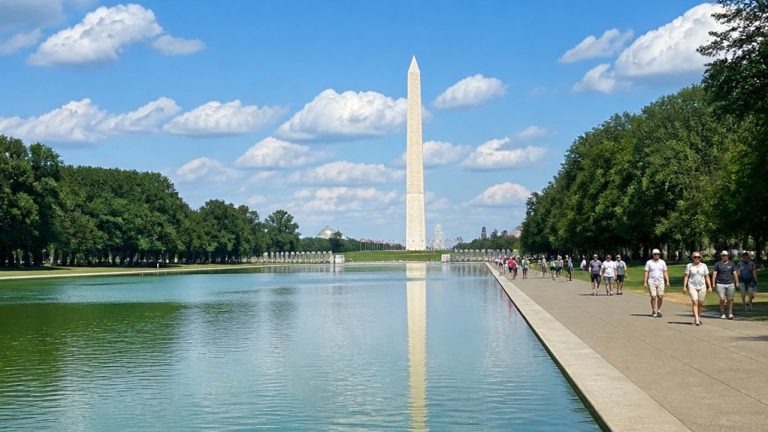

One Comment
[…] can sneak up like a souvenir. If you’re flying in, staying somewhere with easy access from Dulles or Reagan can make your downtown commute cheaper and […]