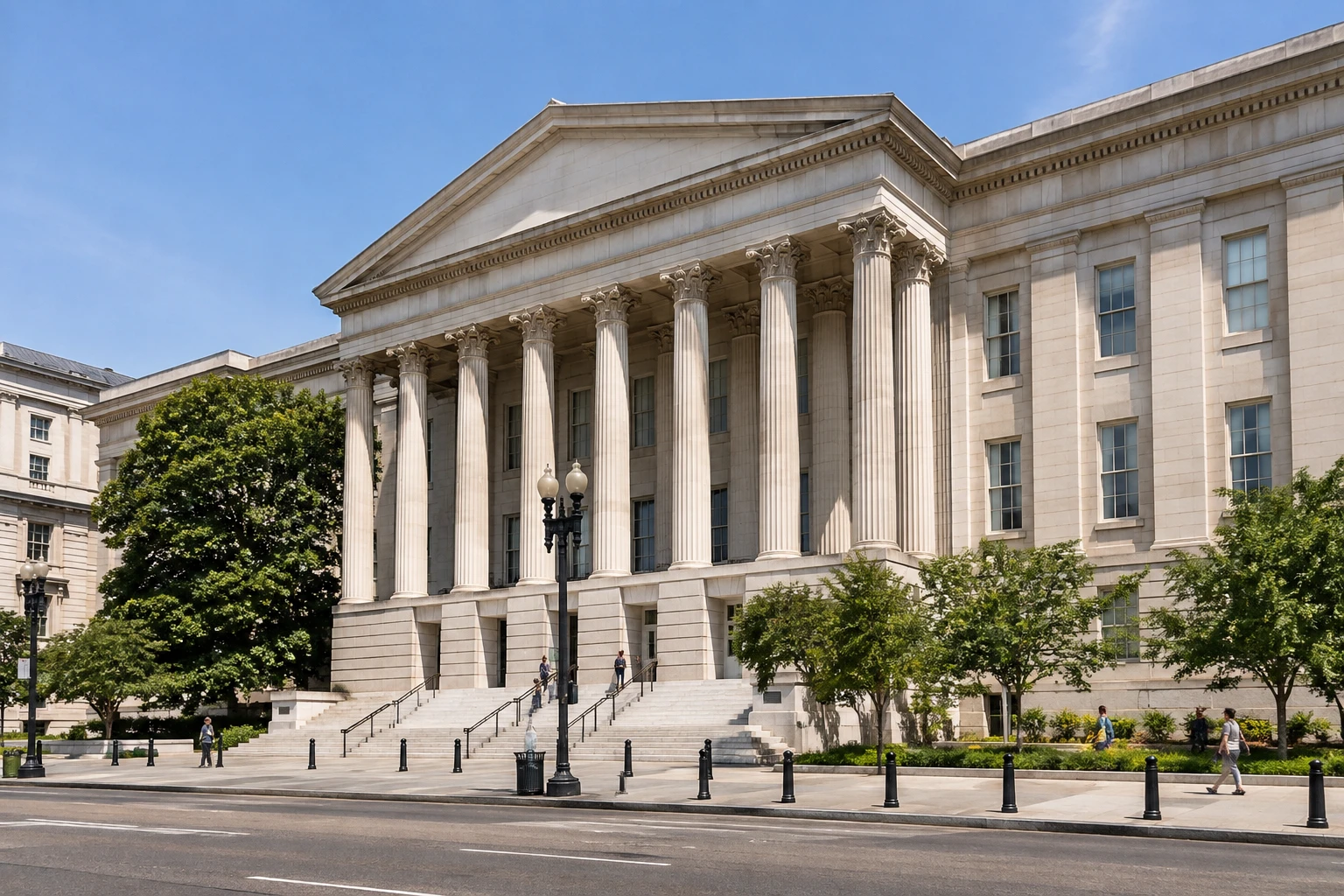
The Smithsonian American Art Museum occupies a historic building at Eighth and G Streets NW, shared with the National Portrait Gallery. Its free admission makes it an easy addition to a Washington DC itinerary, but a smooth visit depends on arriving prepared for security screening, traveling light, and checking the current collection status before you go.
- Museum entry is free, though transportation, food, parking, and some special programming can add to the day’s cost.
- Use the current F Street or G Street entrance indicated by on-site signage, and allow time for security screening.
- Gallery Place-Chinatown is a practical nearby Metrorail station; check live elevator information if step-free travel matters.
- The second-floor galleries for 18th- through early-20th-century art are temporarily closed in August 2026, with reopening anticipated for fall 2026.
- Leave suitcases, large umbrellas, and large backpacks elsewhere because the museum has no coat check or bag storage.
Start with the collection closure that affects your visit
The key planning detail for August 2026 is the temporary closure of the second-floor galleries devoted to 18th- through early-20th-century art. This matters most to visitors hoping to see works associated with artists and periods such as Bierstadt, Cassatt, Homer, Sargent, and early American art. The museum anticipates reopening these galleries in fall 2026, but has not announced a precise date.

DC Night Tour: 10+ National Mall Monuments, Entry Ticket Upgrades
Experience Washington DC lit up at night during this 3-Hour Washington DC Guided Moonlit Tour of the National Mall and Monuments. Make your way throug...

Smithsonian "Big 3" Highlights Tour (Air & Space Entry Included)
See the best of the Smithsonian Museums on a 3-hour guided tour of the highlights of the American History, Natural H...

National Mall Tour: 10+ Monuments & Optional Museum Tickets
See the very best of Washington DC in a single morning on this guided 3-hour National Mall bus tour. Travel comforta...
Washington DC Mall Self Guided Audio Walking Tour
On our location aware smart phone guided walking tour you will see D.C.’s best-known monuments and museums with a...
Treat a fall 2026 visit as conditional if those historic galleries are the main reason for your trip. Check the museum’s current exhibition information before setting a date, then adjust expectations around the galleries open that day. This small step is especially important when you have a short Washington itinerary or a tightly planned museum day.
Find the museum and arrive ready for screening
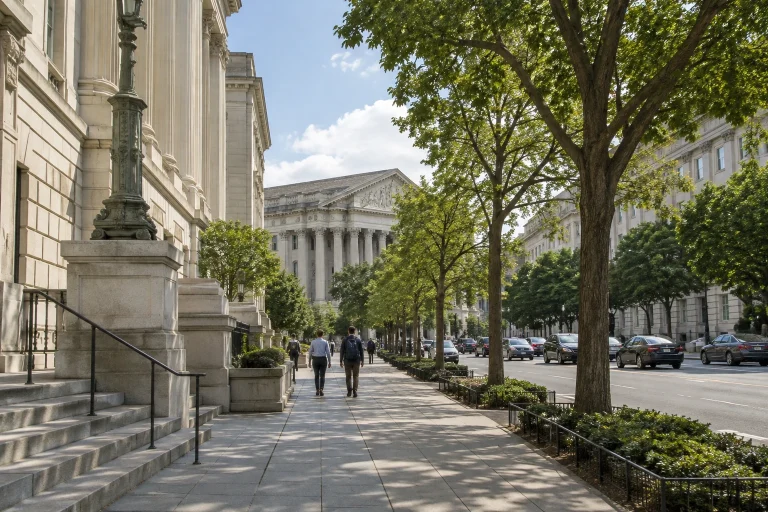
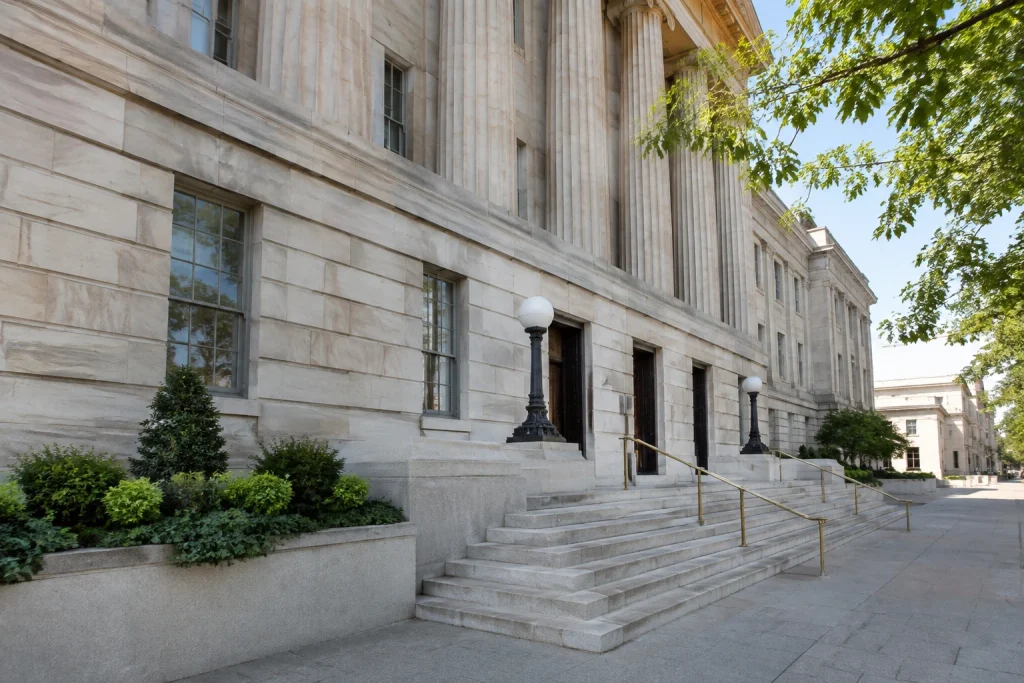
The main building stands at Eighth and G Streets NW and houses both the Smithsonian American Art Museum and the National Portrait Gallery. Current visitor guidance identifies entrances on G Street and F Street, both with security screening. Follow the active entrance signs when you arrive rather than relying on an older map or a single entrance recommendation.
For Metrorail, Gallery Place-Chinatown is a practical nearby stop. Travelers who need an elevator or a step-free route should check the station’s live status and use Metro’s trip planner shortly before departure. For wider transit advice, the site’s How to Get Around Washington DC Without a Car guide is a useful companion when mapping the rest of the day.
Build a little buffer into your arrival. Screening takes place before you enter the galleries, so reaching the building at the start of your intended visit does not necessarily mean you will be viewing art immediately. Keep bags compact and have any essentials easy to manage as you move through the entrance process.
Plan around daily hours and free museum entry
The main building’s listed visiting hours are daily from 11:30 a.m. to 7 p.m. Hours, capacity, and visitor guidelines can change, so check the date-specific schedule before locking the museum into a timed itinerary. This is particularly worthwhile around holidays, special events, or days when you are coordinating several stops.
Admission to the museum is free. That makes the Smithsonian American Art Museum a strong choice for a cost-conscious day, although Metro fares, parking, meals, and paid special programming are separate expenses. Travelers looking to stretch a museum day further can also use the site’s Free Things to Do in Washington DC guide for other no-admission ideas.
Pack light: luggage storage is not available
The museum’s bag rules are a practical reason to plan ahead. Suitcases, large umbrellas, and large backpacks are not permitted in the galleries. There is no coat check or bag storage, and the small lockers in the lobby are unavailable. If you are arriving from a hotel checkout, train, or airport transfer, arrange off-site luggage storage before you head to the museum.
- Bring only the items you can comfortably keep with you during the visit.
- Use a small backpack only if you are prepared to hand-carry it or wear it on your front when required.
- Carry a closed water bottle if needed; it is allowed under the museum’s visitor policy.
- Avoid bringing a large umbrella or any bag you would need to store at the entrance.
- Leave tripods, selfie sticks, and other long camera tools behind.
These policies are easy to handle when the museum is the first stop of the day. They become harder after checkout or while carrying shopping bags, so make this a deliberately light-travel part of your itinerary. The payoff is a faster, less complicated arrival through screening.

The Best of Washington DC: Private Full-Day Walking Tour
Explore the Presidential city of Washington D.C. on a private full-day walking tour.You'll see the city's iconic...

Private Guided Tour of African American History Museum
Meet us and we will give you a private tour of the National Museum of African American History and Culture. The Nati...

American and Natural History in One Day
Join us on a captivating guided tour through two of the Smithsonian's most iconic museums: the National Museum of Am...
Use the museum’s accessibility features
Barrier-free access is available at the main museum. Ramps sit on both sides of the Eighth and G Streets NW entrance, and wheelchairs are available for visitors. MetroAccess users are directed to use 800 G Street NW. These details make it easier to choose a workable arrival point instead of treating accessibility as an afterthought once you reach the building.
Strollers are permitted, although special exhibitions can limit stroller access during busy periods. Blind and low-vision visitors can use Aira at participating Smithsonian sites at no charge while on the premises. Visitors using Metrorail should still check Gallery Place-Chinatown elevator status immediately before setting out, since station conditions can change.
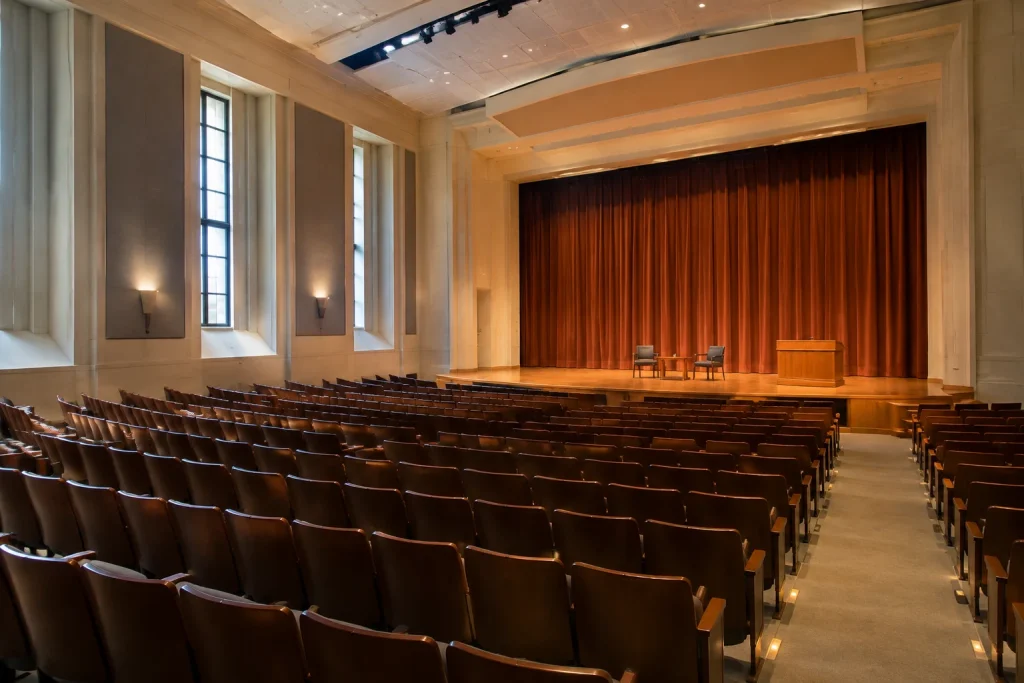
For after-hours programming in the shared McEvoy Auditorium, the G Street lobby route is fully accessible. The auditorium has elevator access, wheelchair spaces, an induction hearing loop, and a T-coil infrared assistive-listening system. These features are useful to know in advance when choosing an event or coordinating with companions.
Handle food, water, and photography without breaking the rhythm of your visit
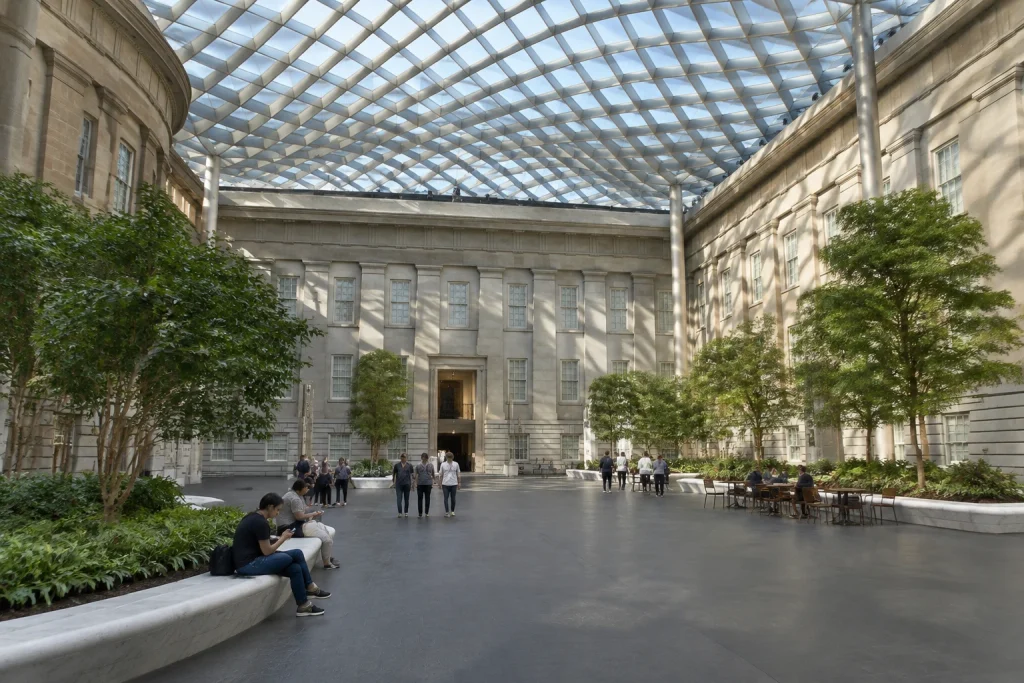
Food and beverages belong only in designated spaces in the Kogod Courtyard. A closed water bottle is permitted, which is helpful on a long sightseeing day. Plan meals before or after your visit rather than expecting to eat in the galleries, and keep any drink sealed as you move through the building.
Personal handheld photography and video are generally allowed unless a posted restriction says otherwise. The rule is simple: use a hand-held device, respect exhibition signage, and leave tripods, selfie sticks, and similar long tools outside. This approach keeps your visit straightforward and avoids carrying equipment that cannot be used indoors.
Do not rely on a docent tour being available
Docent-led adult group tours depend on volunteer availability, so visitors should not assume one will be offered on a particular day. If guided interpretation is important to your group, make that plan in advance. In the museum, QR-code self-guided material offers another way to add context without depending on a scheduled docent.
Virtual-tour requests should be made three to four weeks ahead. That lead time matters for educators, organizers, and groups building a remote component into their visit. For independent travelers, the most reliable plan is to treat self-guided exploration as the baseline and a docent experience as a welcome extra.
Shape a flexible Washington DC museum day
The museum shares its historic building with the National Portrait Gallery, which gives the visit a natural two-museum framework. Start by checking the day’s hours and gallery status, arrive with a small bag, and avoid scheduling the next activity too tightly after your planned arrival. Security screening and the temporary historic-art closure are the two details most likely to shape the experience.
For a multi-day trip, reserve the Smithsonian American Art Museum for a day when you can adapt your plans if a gallery status or station elevator update changes. The site’s 4 Days in Washington DC Itinerary can help place this stop within a broader schedule, while the Metro trip planner is the practical final check before leaving for Gallery Place-Chinatown.
Is the Smithsonian American Art Museum worth adding to your itinerary?
Yes, it is a worthwhile free Washington DC museum stop for travelers who value an accessible, transit-friendly visit and can pack light. Its main limitation in August 2026 is the closure of the second-floor galleries for 18th- through early-20th-century art. Check the reopening status if those galleries are essential, confirm the day’s hours, and arrive ready for security screening.
Private Guided Tour of African American History Museum
Meet us and we will give you a private tour of the National Museum of African American History and Culture. The National Museum of African American Hi...

Private African American History Tour with Reserved Museum Entry
Go back in time to some of the most iconic moments from the civil rights movement with this fascinating African Amer...

Washington DC Sunset and Night Monuments Minibus Tour
Discover Washington, DC’s most famous monuments and memorials on a comfortable small-group tour aboard a panoramic...

DC Monuments Night Tour with 10+ Stops, National Mall, Tickets
Experience Washington DC lit up at night during this 3-Hour Guided Night Tour of the National Mall and Monuments. Ma...
Frequently asked questions
Is admission to the Smithsonian American Art Museum free?
Yes, museum entry is free. Budget separately for transportation, parking, food, and any paid special programming you choose.
What are the Smithsonian American Art Museum hours?
The main building is listed as open daily from 11:30 a.m. to 7 p.m. Check the date-specific schedule before visiting because hours, capacity, and guidelines can change.
Which Metro stop is best for the Smithsonian American Art Museum?
Gallery Place-Chinatown is a practical nearby Metrorail station. Check live elevator status and Metro’s trip planner shortly before departure if you need a step-free route.
Can I bring luggage into the Smithsonian American Art Museum?
No, suitcases are not permitted in the galleries, and the museum does not provide coat check or bag storage. Large backpacks and large umbrellas are also prohibited, so arrange off-site storage before arriving with luggage.
Are the historic American art galleries open?
The second-floor galleries for 18th- through early-20th-century art are temporarily closed in August 2026. The museum expects them to reopen in fall 2026, but visitors should check for a confirmed reopening date before planning around them.
Is the Smithsonian American Art Museum accessible?
Yes, the main museum has barrier-free access, ramps at the Eighth and G Streets NW entrance, and wheelchairs available for visitors. MetroAccess users are directed to 800 G Street NW.
Experiences to explore
 Explore experience ↗
DC Portrait Gallery & American Art Museum - Exclusive Guided Tour
◷ 2 hr 30 min
Two of Washington’s most iconic museums take up residence in the historical Old Patent Office Building, where history and art collide.
See dates for Current pricing
View datesExplore experience ↗National Portrait Gallery and American Art Museum Tour: 8ppl Max
◷ 2 hr 30 min
Visit the National Portrait Gallery and the American Art Museum on a 2.5 hour small group (8 Guest Maximum) guided tour. Discover the b
See dates for Current pricing
View dates Explore experience ↗
Private African American History Tour with Reserved Museum Entry
◷ 4 hr
Go back in time to some of the most iconic moments from the civil rights movement with this fascinating African American history tour o
See dates for Current pricing
View dates