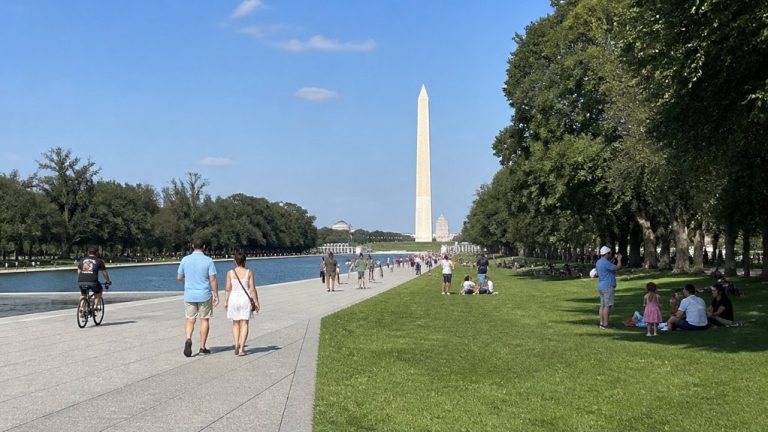

You’ll want to start smart at the Smithsonian National Zoo, where free timed-entry passes, an early arrival, and a good route can mean the difference between a calm panda sighting and a long uphill push with a stroller. You can hear gibbons whoop through the trees, watch elephants move like heavy shadows, and still find lunch without much fuss if you time it right. A few simple choices can shape the whole day.
Key Takeaways
- Reserve free timed-entry passes online for every visitor, including infants, and book early for weekends, holidays, and popular arrival windows.
- Arrive at opening, 8:00 a.m., for fewer crowds and more active animals; most animal buildings open 9:00 a.m.–5:30 p.m.
- Start with Asia Trail for giant pandas, then visit Elephant Trails and Great Ape House early for the best animal viewing.
- Take Metro to Woodley Park or Cleveland Park, or pre-book paid parking, since timed-entry passes do not guarantee parking.
- Plan a 2–3 hour visit, download the Zoo app or map, and use accessible routes, rentals, and amenity markers to navigate hills.

VIP Best of DC with US Capitol + National Archives Reserved Entry
Get the presidential treatment with the most comprehensive Washington DC day tour! The tour includes reserved access to the National Archives Building...

Arlington Cemetery: Changing of Guard & John F. Kennedy Gravesite
Enjoy a 2-Hour Arlington National Cemetery Walking Tour.Start with a visit to the John F. Kennedy gravesite, where...

Washington DC Monuments and Memorials Night Tour
See Washington, DC in ways large bus tours can’t—especially after dark. This small‑group night tour (12 guests...

Private Washington DC City Tour
Make this spring unforgettable with a private Washington DC tour designed just for your family, perfectly timed for...
Plan Your Smithsonian National Zoo Visit
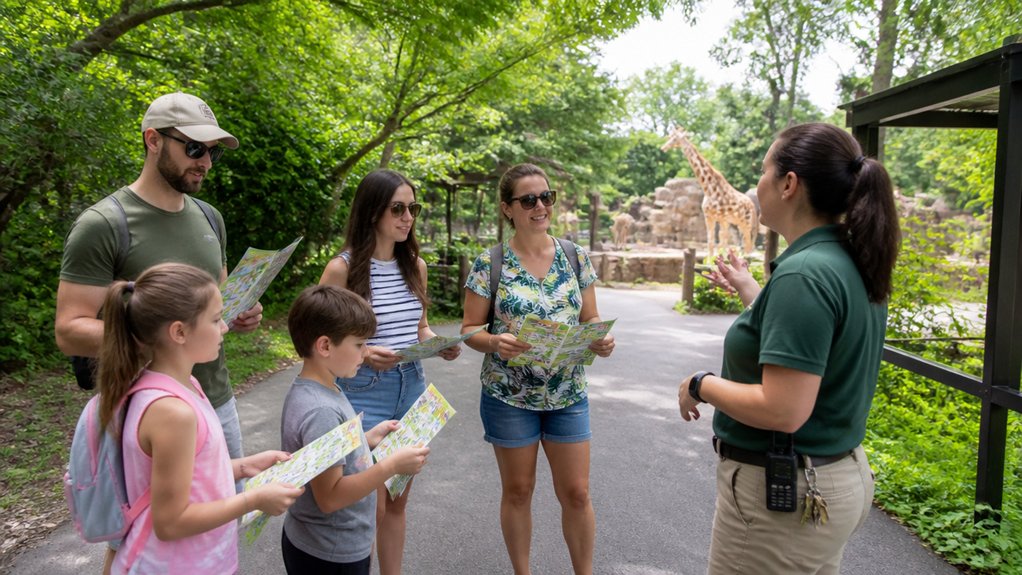
Before you head for the leafy hills of Rock Creek, reserve your free timed-entry passes online, because every guest needs one, even babies with very serious sightseeing plans.
Reserve free timed-entry passes online before visiting (required for all guests,including infants) and plan for a 2–3 hour visit to see most exhibits. Arrive early since grounds open 8 a.m.–6 p.m., with last entry at 5, and animals tend to be more active before noon. Use the Connecticut Avenue entrance near Woodley Park or Cleveland Park Metro. Wear comfortable shoes for the hilly paths and bring water and sunscreen. Check the Zoo app or PDF map for restrooms, food, ATMs, stroller access, and any closures before you make a beeline for the giant pandas first. Great. You can also check the Elephant Cam before your trip to catch a live look at Linh Mai, the Zoo’s new Asian elephant calf.
How to Get National Zoo Entry Passes
You’ll get into the Smithsonian National Zoo for free, but you still need a timed-entry pass reserved online in advance for every guest, even the stroller set. Book through the Zoo’s website or app as early as you can, because weekend and holiday slots disappear fast while the front gates stay busy with families and cameras. Pick a time that gives you room to wander, since the grounds open from 8 a.m. to 6 p.m., animal houses run from 9 a.m. to 5:30 p.m., and your pass won’t magically find you a parking spot. If you want to add more to your day, check the museum and Zoo calendar for events like the Bird Walk at the National Zoo with curator Sara Hallager.
Reserve Online Early
Usually, the smartest move is to reserve your Smithsonian National Zoo timed-entry passes online as soon as your date is set. Entry is free, but passes are required, and the best arrival windows can disappear fast. Popular weekends, holidays, and panda-viewing times often fill first, so booking early saves stress at the gate.
Use the Zoo’s website to choose the window that fits your plan. Grounds open from 8 a.m. to 6 p.m., with last entry at 5 p.m., so match your pass to when you want to start exploring. If giant pandas are high on your list, check exhibit notes and grab an early slot. The Zoo is one of many top attractions visitors pair with time in Capitol Riverfront, Washington DC’s waterfront neighborhood. For field trips, buses, or group visits, handle reservations and logistics ahead. Your future self will thank you.
Entry Pass Requirements
One quick rule shapes every Zoo visit: admission is free, but every guest needs a timed-entry pass reserved online in advance. You must book a pass for each person in your party, even infants, and everyone should hold the same date and entry window. Grab your timed-entry pass through the Zoo’s reservation system on its website or app, then save it on your phone. Capacity stays limited, so earlier is better. Your pass lists the visit date and the arrival window for the main Connecticut Avenue entrance, which keeps the front gate moving instead of snarling into a stroller traffic jam. Planning a trip, reunion, or bus visit? Check the group pages before you go, because larger parties often need reservations and parking arrangements. If your DC itinerary also includes nearby parks, Anacostia Park offers reservable picnic spots and a river trail for exercise.

Ghosts of Georgetown & The Exorcist Steps Walking Tour
Deep, dark secrets about a forgotten past lie among the manicured gardens and Victorian row houses of DC’s finest...

DC Monuments by Night: 10+ Landmarks & Open-Top Luxury Bus
Experience the stunning beauty of the architecture and memorials of Washington, D.C. lit up after dark.You’ll b...

Washington DC Hop-On Hop-off Trolley Tour with 15 Stops
Enjoy a 90-minute Hop-on Hop-off panoramic trolley tour of Washington, DC. The tour route will maximize your time an...
National Zoo Hours and Entry Rules

Start early and the Zoo feels easy to navigate: the grounds open daily from 8:00 a.m. to 6:00 p.m., with last entry at 5:00 p.m., while the animal buildings run from 9:00 a.m. to 5:30 p.m.
At the Smithsonian National Zoo, admission is free, but you still need a timed-entry pass for every guest, even babies. Reserve online before you go, especially for weekends and holidays, since capacity limits keep lines shorter and paths less crowded. Because the zoo sits within Rock Creek Park, you can pair your visit with nearby green space if you want a fuller day outdoors. You’ll enter through the main gate on Connecticut Avenue, marked by two lion statues that feel like a welcome. Use only designated entrances and have your pass ready. Hours and access can shift for special events or construction, so check the Zoo’s website or alerts before you head out.
Best Times to Visit the National Zoo
If you want the zoo at its best, arrive right when the grounds open at 8 a.m. and head for the Asia Trail first, when the pandas and other animals are often still out and the paths feel pleasantly quiet. You’ll usually get cooler air, livelier exhibits, and easier parking if you visit on a weekday or in the cooler months instead of a packed summer weekend. Reserve your free timed-entry pass ahead of time, give yourself 2 to 3 hours, and check the day’s keeper talks so you can catch a sea lion splash or an elephant presentation without racing the crowd. If you’re flying in for your visit, it also helps to review airport transportation options from Dulles or Reagan to downtown DC so you can start the day early without extra stress.
Early Morning Visits
Often, the best zoo strategy is simple: arrive when the grounds open at 8 a.m., then make a beeline for the animal buildings as they open at 9 a.m., when the air is still cool and the animals are more likely to be out and moving.
At the National Zoo, you’ll beat crowds and catch giant pandas, lions, tigers, cheetahs, and elephants during their liveliest hours. Reserve free timed-entry passes online first, then come by Woodley Park or Cleveland Park Metro to avoid parking hassles. Bring water, sunscreen, and comfortable shoes. Check the Zoo Map or Zoo App before you start. In a two- to three-hour visit, head first to Asia Trail, Great Cats, and Elephant Trails before midday heat nudges many animals indoors. If you’re planning more neighborhood exploring afterward, pairing your zoo morning with a stop at Eastern Market can round out a day of classic DC discoveries.
Cooler Weather Days
Cooler days bring the zoo to life, and spring or fall is when you’re most likely to see animals out in the open instead of hiding from the heat. At the National Zoo, give yourself 2 to 3 hours to roam the grounds and hit favorites like the Asia Trail for pandas and Elephant Trails. Aim for morning. The grounds open 8 a.m. to 6 p.m., with last entry at 5 p.m., and houses run 9 a.m. to 5:30 p.m. Wear layers and shoes since crisp air can turn sunny fast. Bring a jacket. Reserve free timed-entry passes ahead, even for babies, then use the Zoo App or map to find restrooms, seating, and smartest route. Parking and lunch lines can be easier, but lots still fill early. If you’re planning other D.C. stops the same day, note that many museums offer free admission and often recommend public transportation.
Weekday Crowd Avoidance
Usually, the smartest time to visit the National Zoo is right at opening on a weekday morning, when the paths still feel calm, the air is cooler, and animals are more likely to be out before they tuck into shade later on.
Go Tuesday through Thursday, and book your free timed-entry passes online ahead of time, since every guest needs one, even babies.
- Enter at 8 a.m.; animal houses open at 9.
- Ride Metro to Woodley Park or Cleveland Park.
- Follow a 2 to 3 hour route to Asia Trail first.
You’ll beat the midday swell, catch giant pandas early, and skip the parking headache unless you’ve pre-booked a paid spot near Connecticut Avenue before warm weather turns the entrance into a slow shuffle. If you want to plan the easiest transit approach, Metro also offers regional bus and rail PDFs, including Metro Rail maps and bus service maps that show rail connections.

Washington DC Night Tour: ICONIC Landmarks, Monuments SMALL GROUP
Experience Washington DC at its most striking; after dark! This guided night tour showcases the city’s most iconic...

Arlington Cemetery Small-Group Tour & Changing of the Guards
Witness the solemn Changing of the Guard ceremony from a prime viewing spot on this guided walking tour of Arlington...

DC Monuments & Capitol Hill Highlights Tour by Electric Cart
Experience a whole different side of Washington, DC during our Monuments by day tour! Climb into our all-electric Re...
How to Get to the National Zoo
At the top of Connecticut Avenue in Woodley Park, the Smithsonian National Zoo feels surprisingly easy to reach once you know your options. You’ll find the National Zoo in Washington at 3001 Connecticut Ave NW, where two lion statues mark the main pedestrian entrance like patient greeters.
If you ride Metro, take the Red Line to Woodley Park or Cleveland Park, then enjoy a short walk through a leafy neighborhood. Several Metrobus routes stop right on Connecticut Avenue. Rideshares and taxis also drop you near the entrance, which saves your feet for the pandas and hills inside. This is one of the simplest ways to get around DC without driving, especially if you plan to explore nearby neighborhoods before or after your visit. Before you go, reserve your free timed-entry passes online for everyone in your group, even infants. That quick step keeps your arrival smooth and your day focused on animals.
National Zoo Parking Tips
If you’re driving, reserve paid parking ahead of time through the Zoo’s parking partner so you won’t circle the block while the morning rush hums around Connecticut Avenue. You can try the on-site lots at the Connecticut Avenue entrance or the Beach Drive and Rock Creek Parkway side, but spaces vanish fast on warm days and busy weekends. If those lots look packed, you’ve still got options nearby, and a quick sign check can save you from an expensive souvenir on your windshield. If you’re combining zoo time with broader sightseeing, Union Station can be a useful transit hub to keep in mind for getting around DC.
Advance Parking Reservations
Lock in your parking before you go, especially for a weekend or hot-weather visit when the Zoo’s lots can fill fast and the search for a space gets old quickly. You can pre-book paid parking near the Connecticut Ave. entrance through the Zoo’s partner, Parking Panda, and save yourself a last-minute loop around the block. If you’re staying at one of the National Mall hotels, pre-booking Zoo parking can make your cross-city trip much smoother.
- Reserve early for weekends, summer afternoons, and busy school-break days.
- Check the Zoo’s website for daily rates, lot locations, and purchase steps.
- If you’re bringing a school bus or charter group, request group parking in advance.
Street parking along Connecticut Avenue and nearby neighborhoods exists, but it’s limited and disappears early. Pair your parking reservation with your timed-entry pass, and your arrival feels calm, not chaotic from the start.
Lot Access Options
For the easiest arrival, think of the Zoo as having a few different front doors. You can drive to the main Connecticut Avenue lot or use the Beach Drive and Rock Creek Parkway lot, but both fill fast on busy days. Street parking lines nearby blocks too, especially along Connecticut Avenue, so early birds win. If you’re exploring more of DC afterward, Navy Yard is another neighborhood worth knowing for waterfront walks and local dining.
| Option | Best for | Watch for |
|---|---|---|
| Main lot | Fast entry | Limited spaces |
| Beach lot | Alternate approach | Capacity reached |
If you want certainty, buy a paid advance spot through National Zoo’s parking partner and skip the circling. You can also take Metro from Woodley Park or Cleveland Park and walk in with coffee in hand. Metrobus stops right outside. Bringing a group? Reserve bus parking ahead, because big wheels need a plan.
National Zoo Map, App, and Wayfinding
Start with the Zoo map and app, and the 163-acre grounds feel much easier to read. Your Zoo Map shows animal areas, dining, shopping, restrooms, seating, and other handy stops before you even walk in.
- Download the free app and interactive map before your timed-entry pass.
- Grab a $3 printed map on-site if you like paper backups.
- Check accessible routes for wheelchairs and strollers, plus rental options.
With 18 distinct areas, you’ll save time by sketching a 2 to 3 hour route ahead of arrival. Posted signs help once you’re inside, but the digital tools keep you oriented when paths twist and hills sneak up on you. Nearby, Kenilworth Park offers a serene garden escape if you want another map-friendly stop in the area. It beats wandering hungry while a panda waits somewhere uphill. You’ll hear plenty of footsteps, not confusion, today.
Best National Zoo Exhibits to Prioritize
Head first to the exhibits that give the zoo its signature mix of stars, close-ups, and surprise finds. On the Asia Trail, you’ll spot Bao Li and Qing Bao, plus red pandas and sloth bears, a lineup unique to Smithsonians National Zoo.
Then make time for the Great Ape House, where keeper chats add context and chimpanzees and gorillas often come impressively close during animal-building hours, 9 a.m. to 5:30 p.m. Hit Elephant Trails early, before the day warms, to watch Asian elephants outdoors and learn how the zoo supports conservation in the field. On the Africa Trail, pause at Cheetah Conservation Station for sleek speedsters, zebras, and endangered-species stories. Finally, dip into Amazonia, where stingrays, turtles, arapaima, and spoonbills keep kids and adults happily lingering. It’s also one of DC’s hidden gems for travelers seeking offbeat attractions beyond the usual monuments.
How to See the Giant Pandas
Usually, the easiest way to see Bao Li and Qing Bao is to build your morning around the Asia Trail. Reserve your free timed-entry pass online first, since every guest, even infants, needs one. Grounds open at 8 a.m., and animal buildings open at 9 a.m. Head to the panda habitat soon after that, when giant pandas are often most active.
- Check the Zoo Map or Zoo App before you go.
- Arrive early, then follow the Asia Trail straight to the habitat.
- Give yourself 2 to 3 hours to tour the Zoo without rushing.
Seeing giant pandas doesn’t cost extra, but planning matters. By afternoon, they may retreat indoors, leaving you peering hopefully like a detective with snacks and very little patience left. If you enjoy Smithsonian institutions, you might also explore Our Future on Mars? as another featured topic on the site.
Daily Animal Demos and Keeper Talks
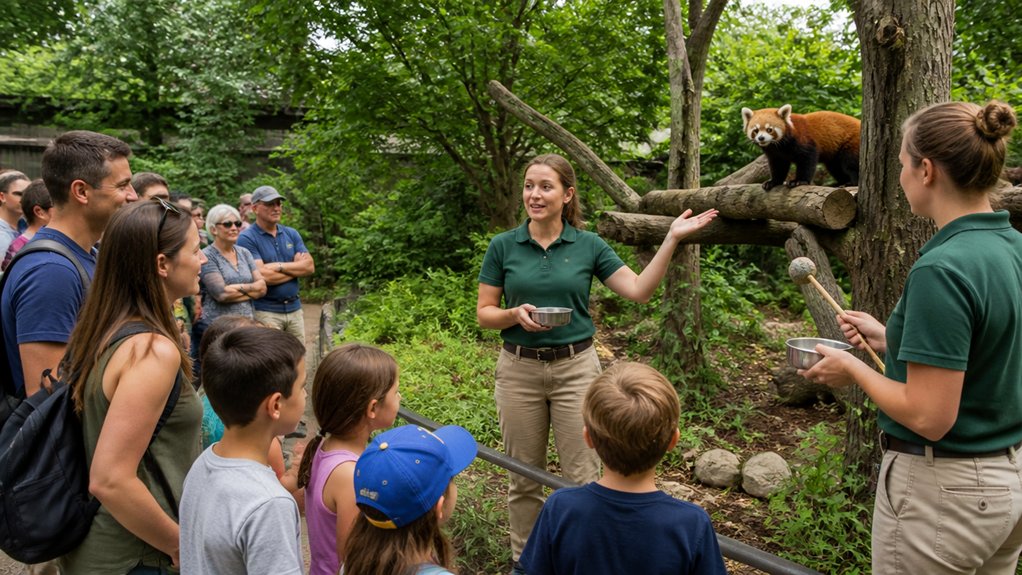
Once you’ve had your panda moment, keep an eye on the Zoo’s daily schedule for animal demos and keeper talks. Times change daily, so check the website or onsite signs before you wander off. Zoo visitors can often catch sessions with elephants, sea lions, sloth bears, and other favorites.
You’ll usually find talks right at the exhibits, including the Great Ape House and Elephant Trails. Zoologists and conservationists share behind the scenes details about training, feeding, behavior, and care. You might see a target training demo, hear a sea lion bark, or watch a feeding with crunchy enthusiasm. Many talks end with Q and A, which makes them useful and lively. They also spotlight conservation work, including gut health support for elephant calves today. Like a visitor’s guide to a Smithsonian museum, the Zoo’s daily talks can help you explore its highlights with more context.

Washington DC Monuments Tour by Electric Cart – Day & Night
Experience a whole different side of Washington, DC during our Monuments tour! Climb into our all-electric Red Roads...

Washington DC Monuments & American History Guided E-Cart Tour
This tour offers a detailed introduction to U.S. history and Washington D.C.’s famous monuments, guided by expert...

Hop-On Hop-Off Double Decker Tour & Arlington Cemetery Audio Tour
As the Official Tour Provider of the National Mall, Big Bus gets you closer than anyone else to the monuments and me...
Visiting the National Zoo With Kids
Bring the kids early and the Zoo feels a little more magical, with cooler air, shorter walks between exhibits, and animals that are far more likely to be up and moving.
Before you go, make your family plan:
- Reserve free timed-entry passes online for every guest, even infants.
- Aim for a 2 to 3 hour visit. Grounds open at 8 a.m., buildings at 9.
- Use the Animal Adventure Guide for videos, species stories, and playful “Act it out” prompts.
If you’re building a larger sightseeing itinerary, Mount Vernon also makes a charming day trip from DC.
You’ll cover more ground with a stroller, whether you bring one or rent on-site. Follow accessible paths across the 163-acre Zoo and check the map or app for restrooms and easy break spots. By afternoon, many animals have vanished indoors, and so has your luck.
Food, Shopping, and Visitor Amenities
Happily, you won’t have to hunt far for lunch or a quick snack at the National Zoo. Food trucks and food courts keep things easy, with burgers, salads, sandwiches, pizza, pretzels, and ice cream ready when your stomach starts growling louder than the lions. You’ll also find kid-friendly, gluten-free, dairy-free, and vegetarian picks. If you prefer, bring your own food and non-alcoholic drinks, then claim one of the many seats for a picnic.
As part of a budget travel guide to Washington DC, these flexible dining options can help you explore the zoo without overspending. The Zoo Map highlights dining and shopping areas, plus gift shops stocked with souvenirs, apparel, and educational finds. Restrooms and seating are marked too. Need cash? ATMs wait at the Visitor Center and Mane Restaurant, though many food spots accept cards. Stroller, wheelchair, and electronic vehicle rentals round out the basics.
Accessibility and Smart Visit Tips
Getting around the National Zoo feels invigoratingly manageable, even across its 163 acres. You’ll find wheelchair- and stroller-friendly paths, plus on-site rentals that keep the hills from bossing you around.
- Reserve timed-entry passes online for everyone, even infants, so you cut waits and secure your spot.
- Arrive via the accessible Connecticut Avenue entrance, a short walk from Woodley Park or Cleveland Park Metro, with buses nearby.
- Rent mobility aids or electric vehicles, then use the app or map to find ADA restrooms, keeper chats, and accessible demos.
Plan 2 to 3 hours for a smart Zoo visit to learn. Check schedules before you wander. Animals often show off most during talks, feedings, and cooler parts of the day for better sightings and timing. For a useful comparison in planning accessible museum days, the National Museum of American History also offers visitor guidance through the Smithsonian.
Frequently Asked Questions
Can I Bring a Stroller Wagon or Rent One Onsite?
No, you can’t bring a stroller wagon or rent one onsite. You can bring a standard stroller instead, so plan ahead before visiting. Stroller alternatives include baby carriers or compact umbrella strollers for zoo navigation.
Are Pets Allowed Anywhere Inside the Zoo?
No, you can’t bring pets inside the zoo, except trained service animals that assist you with disabilities. Pet Restrictions protect animal welfare and safety, so you’ll need to leave other animals at home or elsewhere.
Is Professional Photography or Filming Permitted During Visits?
Yes, you can take professional photos or film during your visit, but you’ll need approval for Commercial photography? and any projects involving models, props, or exclusive access, so contact the zoo’s permitting office before arriving.
Can I Host a Birthday Party at the Zoo?
Yes—you can host a birthday party at the zoo; for example, you might reserve a picnic spot for your child’s group. Birthday bookings aren’t always guaranteed, so you’ll need to check packages, availability, and rules.
How Can I Support the Zoo Through Donations or Membership?
You can Donate online, by mail, or during visits, and you can join Memberships for year-round perks. Your gifts fund animal care, conservation, and education, so you’ll directly help the zoo protect wildlife every day.
Conclusion
You’ll get more from the Smithsonian National Zoo if you book passes early, arrive near Woodley Park, and let the morning do the heavy lifting. Start with pandas on the Asia Trail, then follow the rumbles to Elephant Trails and the chatter at Great Ape House. Check the app for talks, snacks, and restrooms, and keep your pace easy. A few hills may feel spirited, but the views, calls, and close-up faces repay the climb.
Washington DC Night Tour: ICONIC Landmarks, Monuments SMALL GROUP
Experience Washington DC at its most striking; after dark! This guided night tour showcases the city’s most iconic landmarks beautifully illuminated...

Washington DC Monuments by Moonlight Tour by Trolley
You haven't seen Washington DC until you've seen it at night! On this evening 100% live narrated tour, you'll enjoy...

Private and personalized tour of Washington dc
Ah, Washington DC. The capital of the United States always has something exciting to offer. Whether it’s the brigh...

Washington, DC: Sunset & After-Dark Monuments Tour by E-Cart
Please Note: The 6:00 PM tour may not be fully dark depending on the season. The 8:30 PM tour offers a fully after-d...