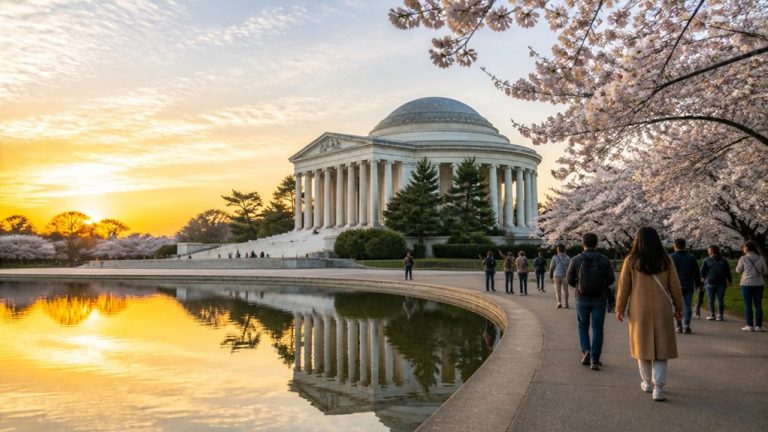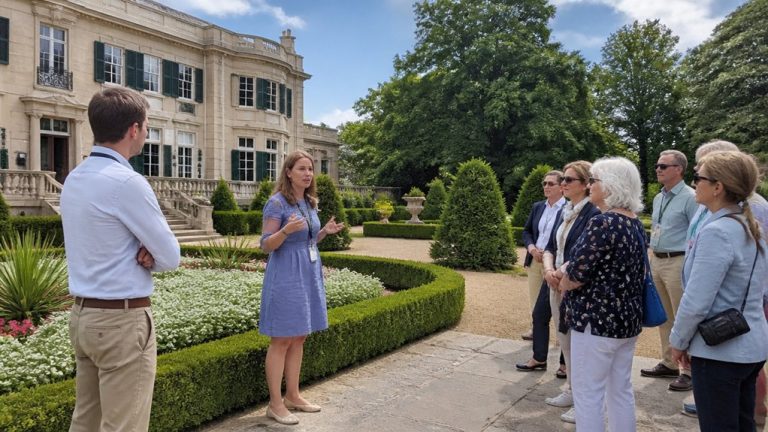
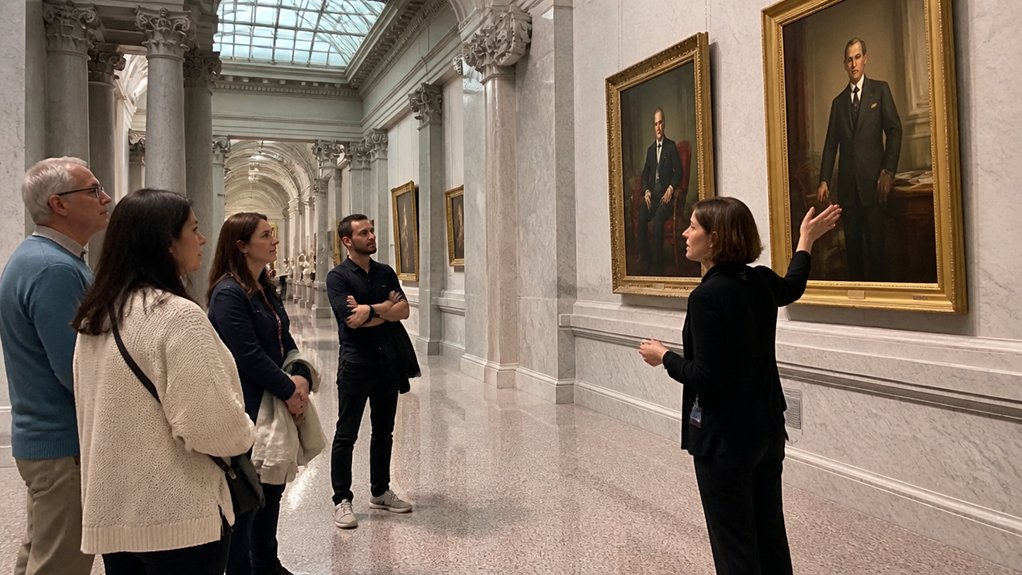
The National Portrait Gallery works like a family album with better lighting and fewer awkward sweaters. You’ll find it in Washington, DC’s Old Patent Office Building, where presidents, poets, activists, athletes, and performers look back from painted canvas, photos, and sculpture. Admission is free, the Metro sits close, and the calm Kogod Courtyard gives you room to pause. But before you plan your route, you’ll want to know when to go and what not to miss.
Key Takeaways
- Admission to the permanent collection is free; special exhibitions or timed programs may require tickets.
- The museum is in Penn Quarter at 8th and F Streets NW, sharing the Old Patent Office Building.
- Regular hours are commonly 11:30 a.m. to 7 p.m.; check the official calendar before visiting.
- Use Gallery Place–Chinatown Metro; parking is limited, so public transportation is usually easiest.
- Highlights include America’s Presidents, portraits of Frederick Douglass, Pocahontas, Marian Anderson, and rotating exhibitions.

Smithsonian "Big 3" Highlights Tour (Air & Space Entry Included)
See the best of the Smithsonian Museums on a 3-hour guided tour of the highlights of the American History, Natural History, and Air and Space Museums...

250th: National Archives & American History Museum Guided Tour
Experience 250 years of American history on this 3-hour guided walking tour led by a local historian & professional...

Capitol Hill & Library of Congress Highlights Walking Tour (With Tickets)
A grand walking tour of Capitol Hill to explore the Supreme Court, Library of Congress, and US Capitol. Learn about...
National Portrait Gallery Hours, Admission, and Tickets
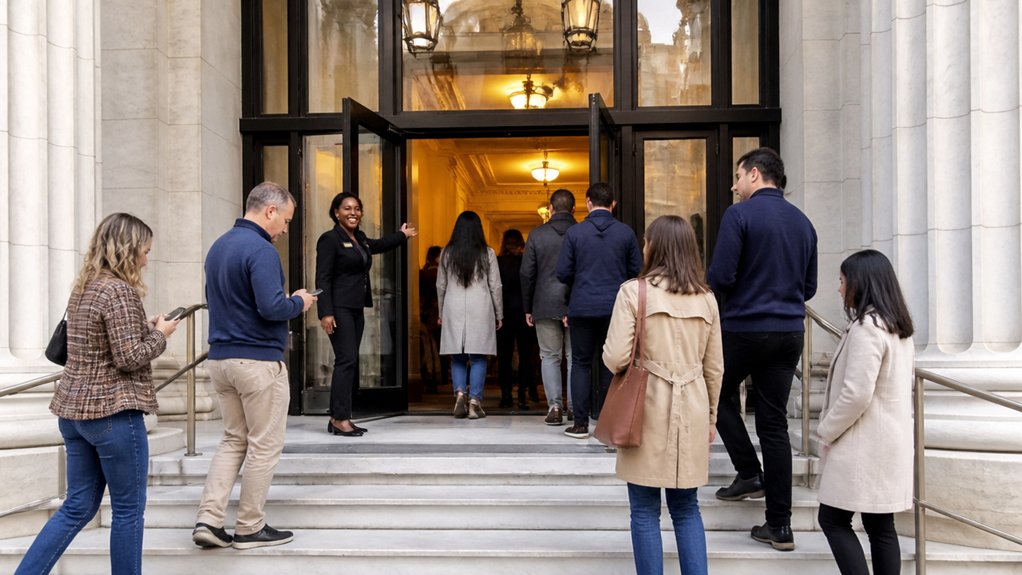
Usually, visiting the National Portrait Gallery in Washington DC is surprisingly simple: admission is free, and you don’t need a ticket for the permanent collection. You can walk in during regular museum hours, often 11:30 a.m. to 7 p.m., and start exploring polished halls, quiet staircases, and faces that seem to follow your questions. Check the official site before you go, since hours can shift for holidays or private events. You’ll only need to plan ahead for special programs, crowded exhibitions, or timed entry notices. Audio guides can add sharp details while you move at your own pace. You may also spot signs about portrait conservation, a reminder that even famous faces need careful upkeep. The museum is located at 8th and G Streets NW, Washington, DC 20001, and is closed on December 25. Bring curiosity, not a stack of tickets.
Where the National Portrait Gallery Is Located
In the heart of Penn Quarter, the National Portrait Gallery sits at 8th and F Streets NW, inside the grand Old Patent Office Building. You’ll find it just north of the National Mall, near blocks lined with restaurants, theaters, coffee shops, and office crowds. That neighborhood context helps your visit feel easy to fold into a day of wandering. Before you even enter, look up at the historic architecture: sturdy columns, carved details, and warm stone that catches the afternoon light. The building fills a full city block, so you’ll notice its scale from several corners. Around it, Penn Quarter hums with museum-goers, lunch chatter, and the clink of patio glasses. This setting also makes the museum a natural stop while you discover Penn Quarter and its walkable downtown energy. It’s a central spot, but it still rewards slow looking between gallery stops.
Getting There by Metro, Car, or Rideshare
How do you get there without turning the trip into a puzzle? Take Metro to Gallery Place-Chinatown, then follow signs for the 9th Street exit. You’ll surface near brick sidewalks, busy crosswalks, and the museum’s grand stone face. Practice good Metro etiquette: stand right on escalators, let riders exit first, and keep bags close. If you drive, aim for nearby paid garages rather than circling Penn Quarter’s tight streets like a confused pigeon. Street parking is scarce and rules change block by block. Rideshare dropoffs work best along 7th, 9th, or F Street when traffic allows. Check the curb before you hop out, because buses and bikes move fast. Once you’re on foot, the entrance feels surprisingly close, with Chinatown humming just behind you. If you also plan to tour the Capitol, public transportation is encouraged because parking is limited near the Capitol Visitor Center.
Best Time to Visit the National Portrait Gallery
Late morning gives you a sweet spot at the National Portrait Gallery, especially if you like calm galleries before the lunch crowd drifts in. Doors usually open at 11:30, so early morning is better for coffee nearby or a quiet walk through Penn Quarter than for entering the museum. Once inside, you’ll hear soft footsteps on stone floors and see faces emerge from polished frames without much jostling. Weekdays feel easiest, while rainy weekends can pull in extra visitors. Late afternoon also works well, with warmer light in the courtyards and a mellow after-work buzz. Check the calendar for talks or events, since they can shift the mood from hushed to lively. As part of Washington DC’s top museums scene, the National Portrait Gallery pairs easily with other nearby cultural stops if you want a fuller day. You’ll still find corners where curiosity gets room to breathe a little.

The Original Small-Group US Capitol Tour: Best of Capitol Hill
Do you want to learn about the iconic buildings of Capitol Hill and their complex history? Do you want a guide that...
Capitol Hill & Library of Congress Highlights Walking Tour (With Tickets)
A grand walking tour of Capitol Hill to explore the Supreme Court, Library of Congress, and US Capitol. Learn about...
Smithsonian "Big 3" Highlights Tour (Air & Space Entry Included)
See the best of the Smithsonian Museums on a 3-hour guided tour of the highlights of the American History, Natural H...
How Long to Spend Inside
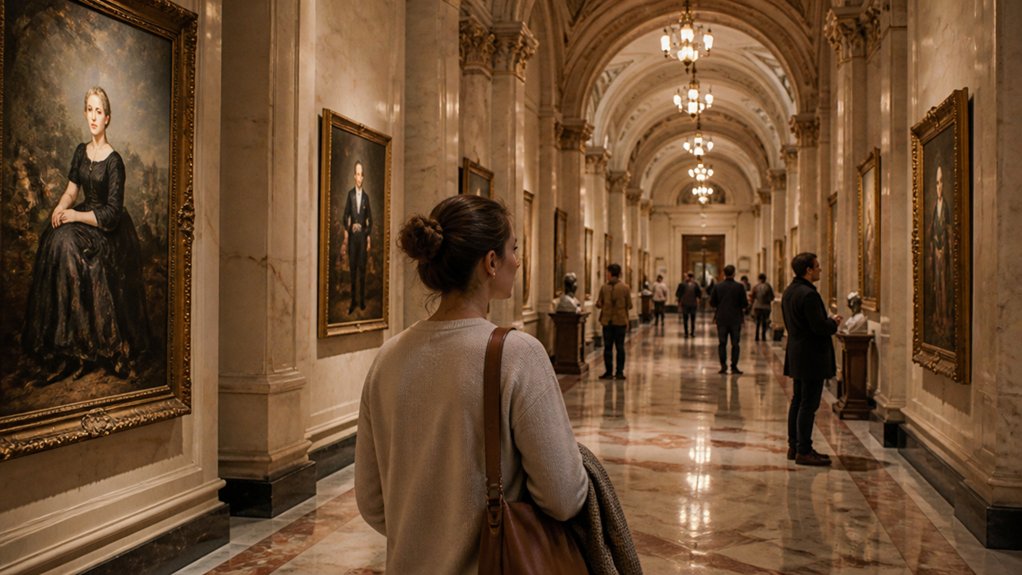
Once you’ve picked a good time to arrive, give yourself about two to three hours inside the National Portrait Gallery. That window lets you move at an easy pace, read labels without rushing, and pause when a face pulls you in. Start with one floor, then follow the visitor flow through nearby galleries instead of zigzagging across the building. You’ll save steps and keep your focus sharp.
Plan a few short breaks in the Kogod Courtyard, where soft light, glass, and quiet footfalls reset your energy. Some rooms use lighting effects that make painted eyes, bronze surfaces, and photo details stand out, so slow down when the mood changes. If you’re pairing your visit with the Library of Congress, remember that timed-entry tickets are required there and last visitor entry is 30 minutes before closing. If you’ve got only an hour, choose two sections and leave wanting a return soon.
Why the National Portrait Gallery Is Worth Visiting
Step into the National Portrait Gallery and you’ll see American history looking back at you. You’ll find more than famous faces on quiet walls. The portraits help you connect people to choices, events, and eras that still shape daily life. Cultural context appears in clothing, posture, room labels, and the changing styles of paint, photography, and sculpture. You’ll move at your own pace through polished halls where footsteps soften and conversations drop to a museum murmur. Admission is free, so you can stop in without treating the visit like a major production. Visitor reactions often range from “I know that face” to “Wait, who was this?” That curiosity is the point. You’ll leave with sharper questions and a fuller sense of the country today. Nearby, the National Gallery of Art also offers free talks, tours, exhibitions, and digital features such as Artle for continued art discovery.
Must-See National Portrait Gallery Highlights
As you begin choosing highlights, start with the portraits that anchor the museum’s story. Look for Marian Anderson, Pocahontas, and Frederick Douglass, then follow the rooms toward writers, activists, athletes, and performers. You’ll notice how oil paint catches light, how marble skin looks cool, and how old frames creak softly when guards shift nearby. Pause at labels that explain Conservation techniques, because small repairs can change what you see. The museum also shines in Celebrity sittings, where familiar faces feel less staged than expected. Find portraits of Marilyn Monroe, LL Cool J, and Toni Morrison, and compare mood, pose, and costume. If you’re planning more cultural stops nearby, the National Archives in Washington, D.C. is another major landmark to consider. If you’re short on time, pick one floor, move slowly, and let surprise do the scheduling. It’s a good plan, no stopwatch required.
Presidential Portraits You Shouldn’t Miss
After the celebrity portraits, head toward the America’s Presidents galleries and watch the mood shift from star power to statecraft. You’ll move through quieter rooms, where dark frames, polished floors, and soft footsteps make each face feel close. Iconic sittings give you Washington, Lincoln, and Kennedy with the weight you expect, but look longer at the brushwork and the eyes. You’ll spot choices that reveal more than a textbook caption ever could. Unconventional likenesses add surprise, including modern takes that trade stiff poses for color, texture, and attitude. Don’t rush the Obama portrait; its leafy backdrop rewards a slow look. Admission is always free, and no passes or tickets are required for galleries, exhibitions, or guided tours. Check the labels, scan the room, and let history feel oddly human, not homework.
Best Galleries Beyond the Presidents
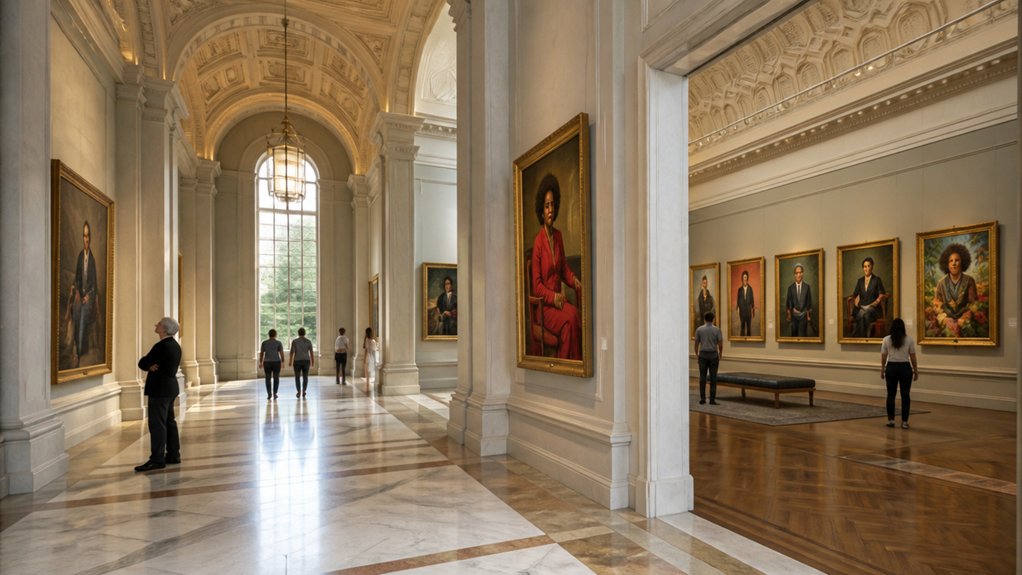
Branch out from the presidents and you’ll find some of the museum’s most rewarding rooms hiding in plain sight. You can follow athletes, writers, activists, actors, and inventors through galleries that feel more like a national conversation than a checklist. Look for bold brushwork, polished bronze, stitched fabric, and photos with eyes that seem to meet yours. Portrait photographers get special space here, and their work shows how posture, light, and background can tell a whole life story. You’ll also see Cultural representation handled through faces that expand what “American” has looked and sounded like across generations. Move slowly, read a few labels, and let one unfamiliar person pull you in. That’s the fun part. The presidents can wait ten more minutes. If you’re pairing this stop with other DC institutions, a Library of Congress Visitor Guide can help you plan a richer day of exploring nearby cultural landmarks.

VIP Best of DC with US Capitol + National Archives Reserved Entry
Get the presidential treatment with the most comprehensive Washington DC day tour! The tour includes reserved access...
Capitol Hill & Library of Congress Highlights Walking Tour (With Tickets)
A grand walking tour of Capitol Hill to explore the Supreme Court, Library of Congress, and US Capitol. Learn about...
Smithsonian "Big 3" Highlights Tour (Air & Space Entry Included)
See the best of the Smithsonian Museums on a 3-hour guided tour of the highlights of the American History, Natural H...
Current and Rotating Exhibitions to Check
You’ll want to check the National Portrait Gallery’s temporary exhibitions before you go, since they often bring fresh faces, bold colors, and new stories into the rooms. Seasonal highlights can change the feel of a visit, from quiet photo displays to lively galleries with video, music, or unexpected objects. Start with the museum’s current exhibition page so you don’t miss a limited show hiding just past the familiar favorites. For a fuller museum day, compare your plans with the nearby National Gallery of Art, whose own exhibitions can pair well with a Portrait Gallery visit.
Featured Temporary Exhibitions
On any given visit, the National Portrait Gallery’s temporary exhibitions can shift the whole mood of the museum. You’ll find focused shows that bring lesser-known lives forward through bold photographs, fragile papers, video, and paint that still seems wet. Read the Curatorial narratives first, then look again. Small details start talking.
| What you notice | What it stirs |
|---|---|
| A sitter’s steady gaze | Quiet courage |
| A repaired sketch edge | Tender patience |
| A bright wall of portraits | Fresh curiosity |
You can also spot Conservation techniques in labels, from cleaned varnish to stabilized fabric. Since these exhibitions rotate, check the museum calendar before you go. It’ll save you a hallway shrug and point you toward the newest surprise upstairs. Look for entry signs near the Great Hall and elevators. For another civic landmark nearby, a Supreme Court Visitor Guide can help you plan a deeper Washington DC itinerary.
Seasonal Gallery Highlights
After the temporary shows catch your eye, the seasonal gallery highlights help you decide what deserves a closer look right now. Check the museum’s calendar before you arrive, because exhibition rhythms can shift from portraits of presidents to bold photo series, paper works, or new commissions. In winter, seasonal lighting softens the marble halls and makes small canvases feel private. Spring brings brighter rooms and busier footsteps, especially near the Kogod Courtyard. You’ll spot fresh wall labels, adjusted groupings, and sometimes a familiar face moved into sharper context. Ask at the desk what opened recently, then start upstairs and loop down. Rotating galleries reward slow looking, but they don’t demand a full afternoon. Even your coffee break can become a quick pleasant Smithsonian detour. For first-time visitors planning Washington DC experiences, the National Portrait Gallery pairs easily with nearby museums, monuments, and other classic sightseeing stops.
Tips for Visiting With Kids
You can keep kids engaged by choosing short gallery routes with bold portraits, bright rooms, and faces that spark quick questions. Plan breaks in the airy Kogod Courtyard where little legs can rest and voices soften under the glass roof. For snacks, step outside to nearby cafés or pack a quick bite for before or after your visit since food stays out of the galleries. Pair the museum with other Washington DC With Kids ideas nearby to build an easy, family-friendly day.
Kid-Friendly Gallery Routes
Map out a short route before you step into the National Portrait Gallery, and the visit feels much easier with kids in tow. Start with one floor or one theme, like presidents, performers, or bold modern faces. Give kids a simple mission: find a red dress, a serious stare, a tiny dog, or a painted sword. This turns the rooms into an interactive scavengerhunt without needing extra gear. Pause at a few portraits and ask quick questions. Who looks brave? Who looks bored? What clue tells you that? That’s portrait storytelling, and it keeps young visitors looking closely. For another family-friendly Smithsonian stop nearby, the National Museum of American History offers exhibits that can pair well with a shorter portrait-focused outing. Choose wide galleries when possible, since strollers and small feet move better there. End before attention fades, not after the third dramatic sigh.
Breaks And Snack Stops
Even the best kid-friendly route needs a pause plan, especially when small travelers start eyeing the floor like it’s a sofa. Head for the Kogod Courtyard, where glass roof light, fountain sounds, and steps reset everyone’s mood. You can sit, stretch, and let kids watch shadows slide across the floor. Quiet benches appear in side halls too, useful when you need a lower-stimulation minute. Pack tidy snacks for outside or before security, since galleries aren’t picnic zones. If your family is also museum-hopping nearby, a Hirshhorn Museum Washington DC guide can help you plan another art stop with kid-friendly breaks in mind. If hunger sneaks up mid-visit, check for Snack vending options near public areas, then return with clean hands and patience. Water fountains and restrooms sit near routes, so build them into your loop. A five-minute pause can save the next masterpiece from becoming “that big old face.”
Accessibility, Seating, and Visitor Help
Although the National Portrait Gallery fills a grand old building, it’s easy to move through with elevators, ramps, and wide gallery paths that keep the visit feeling relaxed. You can enter with confidence if you need wheelchair access, and staff can point you toward accessible routes without fuss. Benches appear in many galleries, so you can pause near a marble bust or a wall of bright presidential faces. The Kogod Courtyard also gives you room to rest under its rippled glass canopy, with soft footsteps and quiet voices around you. If sounds or crowds feel tiring, ask about sensory guides and visitor tips before you start. Gallery staff can help with maps, restroom locations, lost-and-found questions, and the mysteries every museum visit seems to create. Nearby Smithsonian museums, including the National Museum of Asian Art with its Freer and Sackler galleries, also provide accessibility information to support diverse visitor needs.
Dining and Nearby Attractions After Your Visit
After you leave the National Portrait Gallery, you’ll find plenty of nearby dining options, from quick café bites to lively spots around Penn Quarter. You can also walk to landmarks, theaters, and museums where brick sidewalks, street music, and bright marquee signs keep the day moving. Bring comfortable shoes, because your next great stop may be just a few blocks away. For another waterfront outing in DC, consider exploring Capitol Riverfront, a neighborhood known for its riverfront setting and nearby attractions.
Nearby Dining Options
Step out of the museum and you’ll land in one of DC’s easiest neighborhoods for a good meal. Penn Quarter and Chinatown keep things simple: you can grab ramen, tacos, oysters, or a polished dinner without planning a cross-town trek. Streets feel lively after dark, with clinking glasses, warm kitchen smells, and theater crowds comparing notes on dessert.
| Craving | Try this | Best moment |
|---|---|---|
| Farm to table | Seasonal plates | Relaxed dinner |
| Late night eateries | Noodles or burgers | After exhibits |
Book ahead for popular spots, especially Friday and Saturday. If you’re hungry now, scan menus posted near the door and follow the sizzle. You’ll eat well within a few blocks, then head out smiling, napkin probably defeated. Keep an eye on happy hour chalkboards too nearby. If you’re continuing by rail or Metro, Union Station is another classic DC landmark to explore after your meal.
Private Washington DC City Tour
Make this spring unforgettable with a private Washington DC tour designed just for your family, perfectly timed for...

Private and personalized tour of Washington dc
Ah, Washington DC. The capital of the United States always has something exciting to offer. Whether it’s the brigh...

Mount Vernon Guided Estate Tour plus Old Town Alexandria from DC
Visit the colorful and historic Old Town Alexandria and the historic former home of George Washington on this unmiss...
Attractions Within Walking Distance
Once you’ve had your museum fix, the blocks around the National Portrait Gallery make it easy to keep exploring on foot. Step into Penn Quarter and you’ll find theaters, brick sidewalks, and quick bites for a second wind. The Smithsonian American Art Museum shares the building, so you can circle back for Portrait sculptures you missed. Across 7th Street, the Capital One Arena brings crowds and street music on game nights. Wander toward Chinatown for the bright Friendship Archway and noodle shops with steamy windows. If you’re craving quiet, look for Hidden courtyards tucked between office fronts and old stone facades. Ford’s Theatre sits a short walk away, while the Mall waits farther south. The nearby Federal Triangle adds another easy walking route with grand civic buildings and classic Washington scenery. Wear comfortable shoes and let curiosity choose the next corner.
Frequently Asked Questions
Can You Take Photos Inside the National Portrait Gallery?
Yes, you can take photos inside, but you’ll need to follow photography policies. You’re allowed personal, noncommercial shots in most areas, but flash restrictions apply, and tripods or selfie sticks aren’t permitted without approval.
Is There a Security Screening at the Entrance?
Yes—you’ll enter, you’ll pause, you’ll screen. You’ll go through security at the entrance, including bag checks and metal detectors. Don’t bring prohibited items, and you’ll move faster if you keep belongings light and ready.
Are Backpacks or Large Bags Allowed Inside?
Yes, you can bring backpacks, but security may inspect them, and oversized backpacks or luggage aren’t allowed in galleries. You won’t find bag storage onsite, so travel light and keep smaller bags with you inside.
Does the National Portrait Gallery Offer Free Wi-Fi?
Yes—because art isn’t enough, you get free wifi? too. Connect to the Smithsonian visitor network, and check signs or ask staff for gallery hotspot locations when your phone needs culture almost as much as you.
Can Visitors Sketch or Draw in the Galleries?
Yes, you can sketch in the galleries. You’ll need to follow drawing etiquette: use pencil, avoid blocking pathways, and respect artwork and visitors. Check the schedule for sketching workshops if you want guidance.
Conclusion
You’ll leave the National Portrait Gallery with more than a checklist of famous faces. You’ll remember Lincoln’s steady gaze, bright courtyard glass, hushed galleries, and the easy Metro ride back into Penn Quarter. Give yourself a few hours, grab an audio guide if you like, and leave time for a snack. Where else can you meet presidents, poets, athletes, and rebels for free under one grand roof? That’s a DC stop, with personality to spare.
VIP Best of DC with US Capitol + National Archives Reserved Entry
Get the presidential treatment with the most comprehensive Washington DC day tour! The tour includes reserved access to the National Archives Building...
250th: National Archives & American History Museum Guided Tour
Experience 250 years of American history on this 3-hour guided walking tour led by a local historian & professional...
Capitol Hill & Library of Congress Highlights Walking Tour (With Tickets)
A grand walking tour of Capitol Hill to explore the Supreme Court, Library of Congress, and US Capitol. Learn about...
Smithsonian "Big 3" Highlights Tour (Air & Space Entry Included)
See the best of the Smithsonian Museums on a 3-hour guided tour of the highlights of the American History, Natural H...