
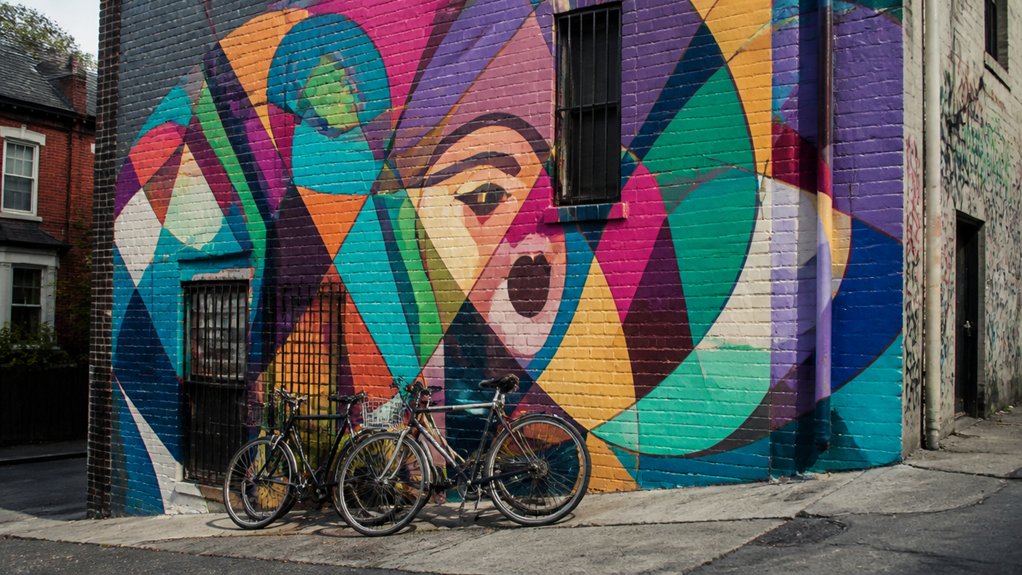
You don’t need a museum ticket to see some of DC’s sharpest art. You can start in NoMa by the Metropolitan Branch Trail, where huge walls catch the late sun, then slip into Blagden Alley or Shaw for smaller works that change fast and say a lot. You’ll spot tributes to Black history, immigrant stories, and local legends between coffee stops and corner stores. The best route depends on what kind of city you want to meet first.
Key Takeaways
- Start in NoMa at CitizenM and follow the Metropolitan Branch Trail to Union Market for a two-hour mural walk with 20-plus large works.
- Explore Shaw, U Street, and Blagden Alley for murals honoring Black musicians, civil-rights leaders, and rotating contemporary street art.
- Visit Anacostia and Congress Heights for community-driven murals focused on family, resilience, and neighborhood identity.
- Best viewing is during golden hour or overcast mornings, when colors deepen, glare drops, and alleys are quieter for photos.
- Don’t miss Rose Jaffe’s Ruth Bader Ginsburg mural, Udofia’s Space Is the Place, and the compact DC Alley Museum cluster.

African American History Tour with Museum of African American History Ticket
KB Tours is a one of a kind African American Heritage tour operator in Washington DC that takes visitors to explore the historic African American neig...
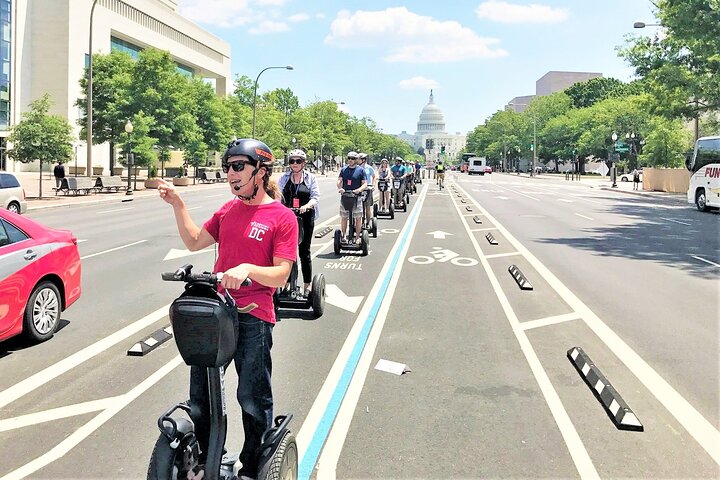
Washington DC "See the City" Guided Sightseeing Segway Tour
Experience Washington DC on a 2-Hour Guided Sightseeing Segway Tour through the nation's capital and experience all...
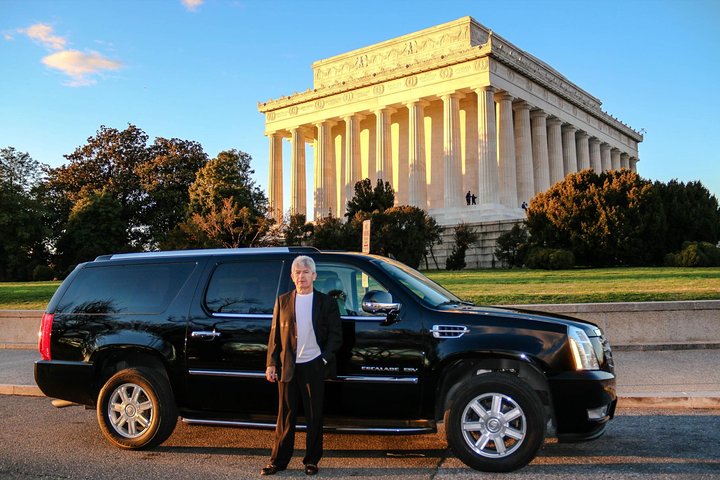
Private Washington DC City Tour
Make this spring unforgettable with a private Washington DC tour designed just for your family, perfectly timed for...
Best Areas to Start a DC Murals Tour
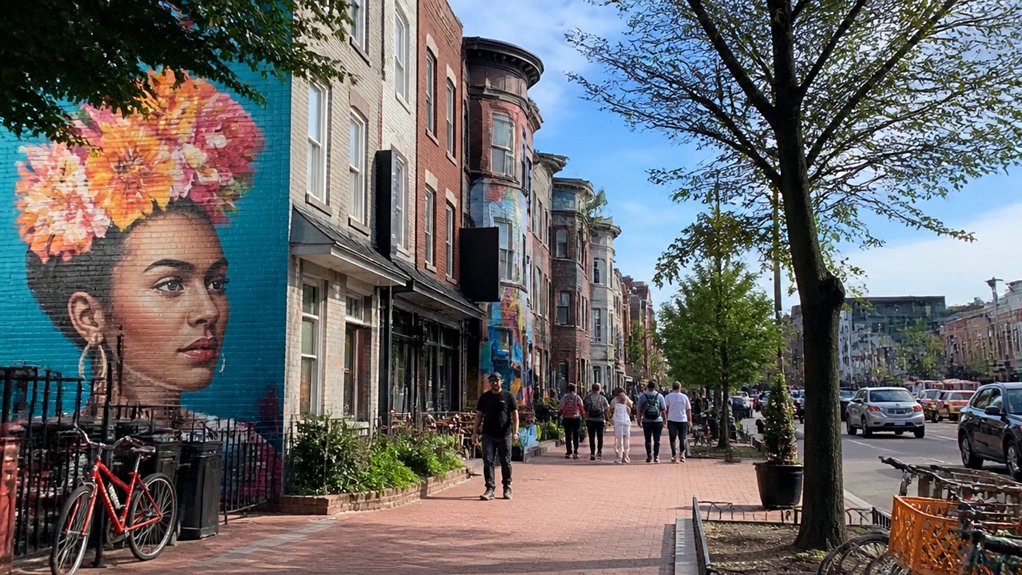
For a strong first stop, start with the paint-lined stretch of NoMa and the nearby Metropolitan Branch Trail, where long walls turn into an open-air gallery of bold, festival-made pieces from DC Walls. You can cover a lot fast here, and the scale makes DC murals feel cinematic instead of scattered. NoMa works especially well as a base because the Metropolitan Branch Trail helps connect its mural corridors and makes the area easy to explore on foot. If you want an easy meetup, head to CitizenM NoMa Hotel and begin a two-hour route toward Union Market. The walk stays simple, the surfaces stay huge, and food waits at the finish. If you prefer a wider introduction, join a tour that starts in Georgetown and hops across several districts. That setup helps you compare polished commissions, raw alley pieces, and community stories without overthinking maps. Good shoes help. Curiosity helps more.
Best DC Murals by Neighborhood
If you want to understand DC murals fast, follow the neighborhoods instead of chasing random pins on a map. Start in Shaw and the U Street corridor, where each DC mural feels tied to local memory. You’ll spot musicians, civil rights leaders, and Rose Jaffe’s Ruth Bader Ginsburg near 15th Street, all set against blocks that still hum with music and conversation. Then slip into Blagden Alley at 50 Blagden Alley NW. It’s compact, easy to walk, and packed with rotating pieces like Let.Go. and Aniekan Udofia’s Space Is the Place. For a different mood, head to Anacostia. The work there feels more community driven than polished, with stories about resilience, family, and identity that stay with you longer than your camera roll today. If you want to balance street art with indoor culture, pair these stops with some of the city’s top museums for a fuller sense of Washington DC.
NoMa and Union Market Murals
Just northeast of downtown, NoMa and Union Market give you one of DC’s easiest mural runs to explore in a single outing. You can wander past more than 20 large works shaped by DC Walls and festival artists, then zoom in on portraits, abstract pieces, social-justice themes, and layered lettering. From here, it’s also easy to pair your art walk with a detour toward Capitol Riverfront, another fast-changing DC neighborhood with a strong waterfront identity.
| Spot | Why go |
|---|---|
| NoMa | Fresh walls and tour start |
| Union Market | Big photo-friendly murals |
Start at CitizenM NoMa, 1222 First St NE, if you want the Original DC Mural Tour, which takes about two hours and finishes in Union Market. Even if you go solo, NoMa stays interesting because the art keeps changing. One visit might feel polished and huge. The next might reveal new color, paint, and a surprise corner worth lingering over.
Shaw and U Street Murals
Head over to Shaw and U Street and the murals start reading like a neighborhood scrapbook in paint. As you walk, Street Murals honor musicians, civil rights leaders, and African American culture that shaped these blocks through protest and community action. You’ll spot polished commissioned walls beside raw tags and layered street work, which gives the area a lively push and pull. On U Street, look for Rose Jaffe’s Ruth Bader Ginsburg tribute rising across a red brick two story building near 15th Street NW. The corridor changes fast, so every visit feels a little different. Known as DC’s heart, U Street adds an extra layer of meaning to the murals with its deep cultural and neighborhood history. Bring your camera, then pause for coffee at La Colombe or grab something flaky at Seylou Bakery. You’ll cover plenty on foot, and the sidewalks keep serving color, history, and surprise.

Washington DC in One Day: Guided Sightseeing Tour + boat cruise
Board your glamourous, climate-controlled panoramic bus at the U.S. Navy Memorial for one of the best bus tours in W...
Washington DC "See the City" Guided Sightseeing Segway Tour
Experience Washington DC on a 2-Hour Guided Sightseeing Segway Tour through the nation's capital and experience all...
African American History Tour with Museum of African American History Ticket
KB Tours is a one of a kind African American Heritage tour operator in Washington DC that takes visitors to explore...
Blagden Alley Murals Worth Seeing
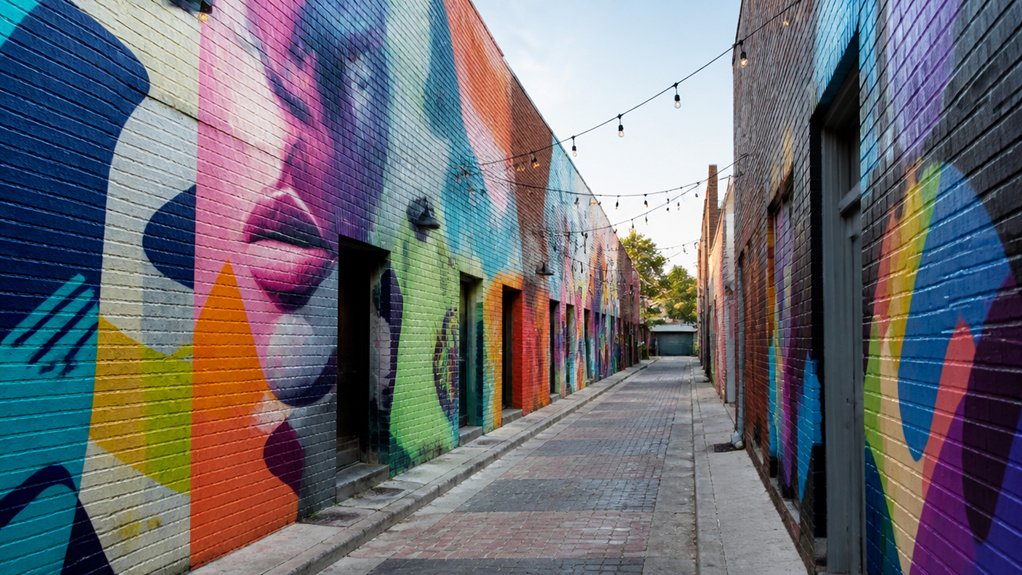
A few blocks from U Street, Blagden Alley packs a surprising amount of street art into a short stretch that you can walk in minutes and photograph for much longer.
| Spot | What you’ll see | Why stop |
|---|---|---|
| DC Alley Museum | Five curated works close together | Easy mini art crawl |
| Space Is the Place | Erykah Badu and Sun Ra by Aniekan Udofia | Best-known photo |
| 50 Blagden Alley NW | Rose Jaffe’s Let.Go. and rotating walls | Grab coffee nearby |
You can dip in fast, but the carriage-house walls, layered history, and constant turnover reward repeat visits. Start with La Colombe or Seylou Bakery, then wander slowly. Blagden Alley once housed working-class Black residents, and that past still gives the corridor texture, grit, and a little quiet depth today. Like Foggy Bottom, this part of Washington rewards exploring on foot with a local-neighborhood feel beyond the main monuments.
Anacostia Murals With Local Stories
If you want murals that feel less like a checklist and more like a neighborhood conversation, Anacostia delivers. Here, you won’t find a polished mural corridor built for easy browsing. You’ll find community-driven walls about resilience, family, identity, and local history, painted where daily life happens.
Walk near community hubs and storefronts around Anacostia and Congress Heights, and keep your eyes open for works like Nurturing Community and African Drummers. These murals honor African American heritage, civic leaders, and neighborhood memory. They often connect to nearby institutions and local events, so the setting matters as much as the paint. Because the scene is grassroots, pieces can appear suddenly or vanish just as fast. That makes exploring on foot feel personal, a little unpredictable, and absolutely worth your time there. Nearby, Anacostia Park adds more neighborhood context with riverfront spaces, community events, and local history in the heart of Washington, DC.
What DC Murals Say About Local Culture
As you walk from Shaw to Anacostia, you can read DC’s walls like a public conversation about justice, politics, and who each neighborhood says it is. You’ll spot tributes to local musicians and civil-rights leaders on U Street, then turn a corner and catch a Ruth Bader Ginsburg mural near 15th Street NW. Because pieces appear and vanish fast, you don’t just look at the city’s history, you chase it a little. This sense of discovery is part of what makes DC’s mural scene one of the city’s hidden gems.
Murals As Public Dialogue
While museums ask you to step inside, DC’s murals meet you on the sidewalk and speak up in plain view. You don’t need a ticket or a curator to get the message. Across the city, walls tackle social justice, Black Lives Matter, women’s rights, and immigrant stories with color, scale, and grit.
Projects like DC Walls and the DC Alley Museum turn streets in NoMa, Shaw, Anacostia, and Union Market into open-air conversation starters. One block might hold a towering sprayed portrait. The next offers layered graffiti or an abstract call to pay attention. In places like Blagden Alley, new pieces can appear fast and older ones rotate out, so the city keeps talking. If you look closely, even the paint seems restless and alive. In nearby Southeast, the Navy Yard adds another layer to this public conversation, where rapidly changing streetscapes reflect how art, development, and neighborhood identity interact.
Still comparing Washington DC Murals And Street Art?
Ask for tour ideas, hotel suggestions, or a simple trip plan that combines both.
Trip Helper
Neighborhood Identity And History
That street-level conversation also tells you where you are in the city. In Washington DC, murals map neighborhood identity fast. In Shaw, you see civil rights memory on brick walls and tributes to Black musicians, protest moments, and local leaders along Blagden Alley and the U Street corridor. Tucked into the alley, five pieces and rotating works like Rose Jaffe’s Let.Go. recall a working-class Black past. In NoMa and beside the Metropolitan Branch Trail, long curated corridors feel like an open-air gallery, with giant portraits, abstract bursts, and social-justice themes. Cross the river to Anacostia, and the tone shifts. These murals center family, resilience, and neighborhood pride, not tourist selfies. Across DC, changing walls track Black Lives Matter, immigrant stories, LGBTQ+ voices, and block-by-block celebrations. Like the city’s Embassy Row, these visual corridors also show how different parts of Washington express identity block by block.
Best Time to See DC Murals
You’ll catch DC murals at their best in early morning or late afternoon, when golden hour light softens the walls, cuts harsh shadows, and makes every painted color glow. If you time your walk with the season, you’ll notice how spring greens, summer heat, or crisp fall leaves can change the whole mood around a mural. Go on a weekday morning or early afternoon, and you’ll usually get quieter alleys in places like Blagden Alley and NoMa, with fewer cars, fewer people, and a much better shot. If your mural route takes you toward Capitol Hill, pairing it with a stop at Eastern Market can add another layer of local DC color to the day.
Golden Hour Lighting
Often, the best time to see DC murals is during golden hour, when the light turns warm and slants across brick, concrete, and painted metal in a way that makes colors look richer and spray-paint texture pop. Try early morning in NoMa, Union Market, or Blagden Alley, where you can beat crowds and frame big walls cleanly. In summer, aim roughly for 5:30 to 6:30 AM, or 7:30 to 8:30 PM near sunset. East-facing murals along the Metropolitan Branch Trail glow in late afternoon, with side light that lifts texture off brick and concrete. If you’re exploring by bike, a Washington DC Bike Tour can make it easier to catch multiple mural districts during the best light. If clouds roll in, don’t give up. Soft overcast light can deepen color and tame glare on glossy paint. Bring a tripod for dimmer evening shots, and stay 20 to 30 minutes on either side of golden hour. You may hear delivery trucks, bike bells, and your own footsteps, but the walls will still feel like the city’s quiet stage.
Seasonal Color Changes
As the seasons shift, DC’s murals change right along with them. Seasonal foliage can completely alter what you see. In spring and summer, leafy branches and climbing greenery may soften a mural’s edges or partly hide alley pieces in places like Blagden Alley. By fall, thinning leaves reveal more wall surface, and winter light adds crisp contrast that makes outlines feel sharper.
You should also watch the mural calendar. After DC Walls and other spring or summer festivals, fresh works often appear at peak color. Overcast skies can make pigments look richer and reduce glare on glossy paint in NoMa and Union Market. Crisp cool days usually give you punchier tones, while hot, humid afternoons can flatten contrast and add a bit of shine. If you are planning a wider visual outing, pair your mural walk with a Great Falls day trip to compare urban color with the dramatic seasonal scenery just outside Washington DC.

Private and personalized tour of Washington dc
Ah, Washington DC. The capital of the United States always has something exciting to offer. Whether it’s the brigh...

Group/Private Washington D.C Moonlight Tour in Luxury Vintage Car
We've crafted a comprehensive two-hour tour that covers all the must-see attractions of DC. A friendly tour guide wi...
African American History Tour with Museum of African American History Ticket
KB Tours is a one of a kind African American Heritage tour operator in Washington DC that takes visitors to explore...
Weekday Viewing Windows
Weekdays usually give you the cleanest look at DC’s murals, especially if you start around sunrise and keep moving until about 9:00 AM. In Blagden Alley and NoMa, early light boosts color, tames shadows, and keeps cars and pedestrians out of your frame. Later, golden hour from roughly 4:30 to 7:30 PM flatters brick and concrete walls in Shaw and along U Street, so wide scenes feel warm and balanced. If clouds roll in, don’t sulk. Overcast skies make colors pop, which helps when you’re studying texture at Union Market or in Anacostia. Skip midday unless you want shadows for drama. For a two-hour workshop, link NoMa, Blagden Alley, and Shaw. You’ll catch standouts, maybe a Sun Ra piece, before the light turns bossy. If you want to turn your mural outing into a broader walking tour, DC’s compact neighborhoods make it easy to keep exploring on foot between viewing windows.
How to Photograph DC Murals
Photographing DC murals feels a bit like a neighborhood scavenger hunt with better color. Aim for early morning, late afternoon, or bright overcast hours so mural art keeps its color and harsh shadows stay out of frame. Use a wide lens, or your phone’s wide setting, for full-wall shots. Switch tighter for paint textures, brick cracks, and pasted edges. Add a person for scale and story. In tight spots like Blagden Alley, use leading lines and keep your camera level so walls don’t lean like sleepy giants. Scout with your Google Map pins or follow DC Walls and the DC Mural Project for fresh works in NoMa, Shaw, Union Market, and Anacostia neighborhoods this week or next if weather changes fast across the city. If your mural route stretches into evening, Adams Morgan can add a lively backdrop with its nightlife guide energy after dark.
What to Bring on a DC Murals Tour
Good mural photos start before the first shutter click, with a bag packed for long walls, changing light, and a few miles of city sidewalk. Bring a wide lens, whether that’s a 24 to 70mm on your camera or your phone’s wide setting, so you can frame huge pieces and alley scenes on a mural tour. Pack a light tripod for dusk shots, and toss in extra batteries, a memory card, or a power bank. Two hours of constant shooting can eat both charge and storage. Wear walking shoes and layers that match the weather. Spring and fall can surprise you with wind or rain. Download the Google Map, save it offline, and track murals in places like Blagden Alley and NoMa. If your route takes you nearby, Union Market is a useful stop to grab food and recharge before heading to the next wall.
Should You Book a DC Murals Tour?
If you want more than a casual stroll, a DC murals tour gives you smart route planning, neighborhood stories, and practical photo tips while you move from bright alley walls to giant festival pieces in about two hours. It fits you especially well if you’d rather skip the guesswork, cover several areas like NoMa, Shaw, or Adams Morgan, and leave with better shots than the usual phone snap and shrug. Prices range from $27 walking tours to $99 photography workshops, so you’re really deciding whether the added guidance, map, and local context are worth paying for. If you plan to pair your art walk with more city exploring, a stop around Dupont Circle can add another lively neighborhood perspective to your day in Washington, DC.
Tour Benefits
While you can certainly wander DC’s mural corridors on your own, a guided tour saves time and adds real depth. You’ll cover 20-plus DC murals in about two hours across NoMa, Shaw, Blagden Alley, and Union Market. Guides sharpen your eye with composition, lighting, and phone or DSLR tips, then follow up with Zoom reviews. If you’re extending your day downtown, Penn Quarter makes an easy add-on for more galleries, museums, and central DC energy.
| Benefit | Why it matters |
|---|---|
| Efficient route | You see more murals fast, with easy meeting points and simple walking. |
| Better context | You understand Shaw’s civil-rights story, Anacostia voices, and DC Walls pieces. |
You also get a living Google Map and DC Murals Project links, so your hunt doesn’t end when the tour does. Weather reschedules and clear refunds keep planning pleasantly drama-free. Paved paths keep the outing easy on feet.
Who It Fits
Whether you shoot with a phone, carry a DSLR, or just want a sharper way to see the city, a DC murals tour fits more people than you’d think. You’ll work if you’re a beginner, because leaders walk you through settings, framing, and light, then review images later on Zoom. You’ll also click with it if you love culture and history. Routes through Shaw, U Street, and Blagden Alley connect public art to civil rights, Black heritage, and neighborhood stories. If you’ve only got two hours, the format still works. You’ll cover 20-plus murals on a outdoor driving and walking route. It’s also ideal if you like small groups, private outings, and the thrill of change, since guides keep maps as walls evolve overnight. If you enjoy pairing neighborhood art with global culture, Washington also offers embassy tours and cultural events that add another layer to seeing the city.
Cost Vs Value
Because DC murals hide in alleys, underpasses, and fast-changing corners, the real question isn’t just what a tour costs, but how much time and guesswork it saves you. A small-group workshop costs $99 per person for two hours across NoMa, Shaw, and Blagden Alley, with driving, walking, coaching, and a pinned Google Map. A private tour costs $199 total for one to six people, so it can feel like a bargain if you want flexibility. You can wander free on your own, but you’ll likely miss tucked-away walls and lose shooting time. Tours add artist context, photo tips for phones or DSLRs, Zoom image review, and updated mural intel. The refund policy is fair too, unless you bail at the last minute without warning. If you’re also planning to explore Capitol Hill, combining a murals tour with one of DC’s most iconic neighborhoods can add even more value to your day.
DC Murals Tour Prices and Booking
Start by picking the tour that fits your pace and your budget. In DC, the Original Mural Tour in NoMa and Union Market costs $30 per guest for two hours, while Adams Morgan runs $27 for 90 minutes. If you want hands-on shooting tips, small-group photography workshops cost $99 per person and cap attendance at six. Private tours or workshops cost $199 total for one to six people.
You can save with group discounts: 10% off for five to nine, and 20% off for 10 or more. Groups of five or larger can also schedule private tours anytime. Book online through Add Workshop to Cart, email [email protected], or contact Jason for private tours. You get full refunds up to 48 hours ahead, and rain rescheduling easily. Visitors planning multiple experiences in the city often compare mural outings with food tours to round out a day in Washington DC.

Washington DC Hop-On Hop-off Trolley Tour with 15 Stops
Enjoy a 90-minute Hop-on Hop-off panoramic trolley tour of Washington, DC. The tour route will maximize your time an...
African American History Tour with Museum of African American History Ticket
KB Tours is a one of a kind African American Heritage tour operator in Washington DC that takes visitors to explore...
Private Washington DC City Tour
Make this spring unforgettable with a private Washington DC tour designed just for your family, perfectly timed for...
Best Maps for Finding More DC Murals
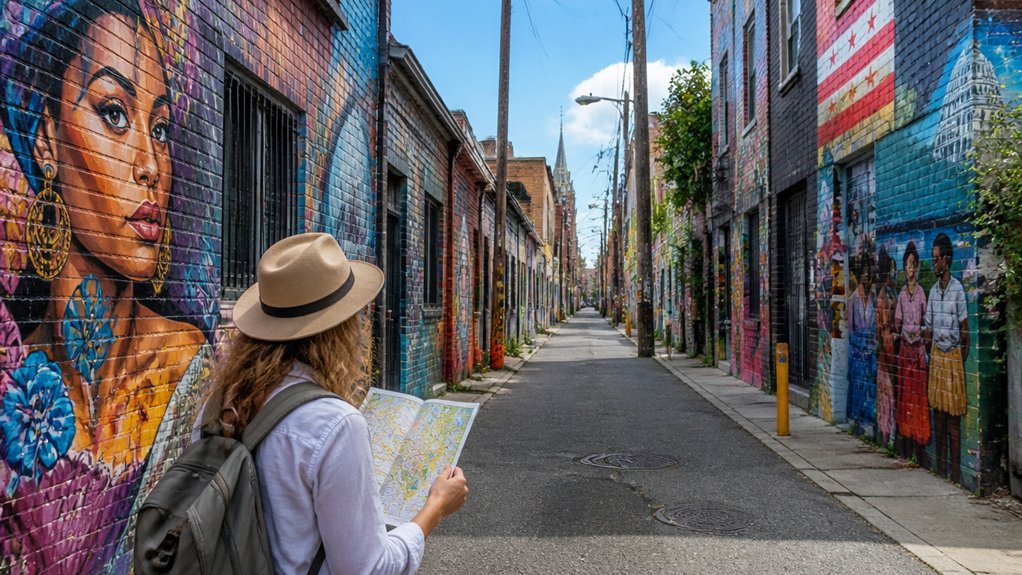
A few smart maps can turn DC mural hunting from random wandering into a solid game plan. Download the workshop Google Map first. It pins verified murals, updates often, and helps you track fresh Street mural art plus workshop routes. Then open the DC Murals Project and DC Walls festival maps for major pieces in NoMa and Union Market.
- Feel the thrill in Blagden Alley, where walls stack color along one short stretch.
- Chase the long corridor through NoMa and Union Market for big curated surfaces.
- Start at CitizenM NoMa or The LINE DC and follow tour meeting maps past 20 plus murals in two hours.
- Plot your own scavenger hunt with Takoma, Shaw, Benning, and Deanwood coordinates. Your camera will stay busy all day.
Frequently Asked Questions
Are DC Mural Tours Suitable for Children and Families?
Yes, you’ll find many DC mural tours suitable for children and families, especially when you choose guides with a Family friendly Focus. You’ll enjoy colorful art, short walks, and interactive stories that keep kids engaged.
How Long Does a Typical Mural Walking Tour Last?
You can expect a typical mural walking tour to last about 1.5 to 2.5 hours. Your Duration estimate may change with route length, group pace, photo stops, and whether you add breaks or nearby attractions.
Are the Tours Wheelchair Accessible for All Participants?
Yes, you’ll find many tours wheelchair accessible, but you should confirm routes, curb cuts, and restroom access before booking. Accessibility Spotlight: ask guides about terrain, transportation, and accommodation options so everyone in group can participate.
What Happens if It Rains on the Tour Day?
Under gray skies and glistening streets, you’ll usually still tour if light rain falls; guides adjust stops under cover. If storms threaten, our Rain contingency means you’ll reschedule, receive updates promptly, or get a refund.
Can Private Groups Customize the Route or Tour Schedule?
Yes, you can customize the route and schedule for private groups. You’ll work directly with the tour team to create a Customizable itinerary that perfectly fits your interests, timing, group size, and any special requests.
Conclusion
DC rewards you when you slow down and look up. In NoMa, paint flashes beside train tracks. In Blagden Alley, brick walls hold quieter surprises. You’ll hear bikes roll past, spot wheatpaste peeling at the edges, and find a lunch break waiting at Union Market. A good map helps, but the proof is in the pudding. Pick a neighborhood, charge your phone, wear comfortable shoes, and let the city show you its stories one wall at a time.
Private Washington DC City Tour
Make this spring unforgettable with a private Washington DC tour designed just for your family, perfectly timed for cherry blossom season. Explore ico...
Washington DC "See the City" Guided Sightseeing Segway Tour
Experience Washington DC on a 2-Hour Guided Sightseeing Segway Tour through the nation's capital and experience all...
African American History Tour with Museum of African American History Ticket
KB Tours is a one of a kind African American Heritage tour operator in Washington DC that takes visitors to explore...


One Comment
[…] interested in the visual culture of the city can also use the Washington DC murals and street art guide to place Anacostia’s public art within a wider citywide plan. Keep the Anacostia portion […]